


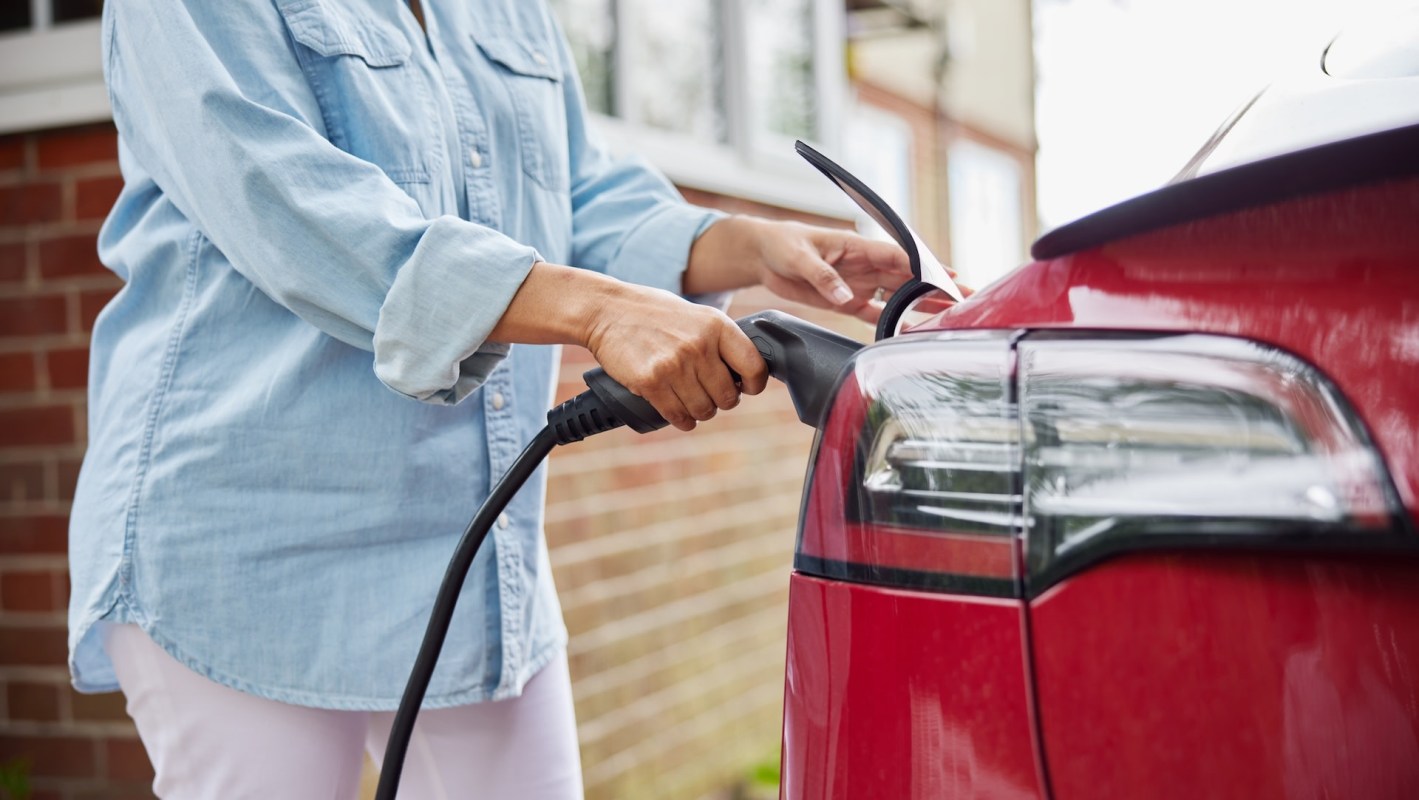
Electric vehicle sales and leases boomed throughout the summer and into the fall, partly due to the impending expiration of federal incentives, putting a lot more EVs on the road.
While tax credits are part of the reason sales have skyrocketed, consumer analytics giant J.D. Power polled EV drivers earlier this year, and driver satisfaction rates were shocking — nine out of 10 said they didn't foresee themselves ever going back to a gas-powered vehicle.
A record number of Americans chose to make their next car an EV, which necessitates some changes to their vehicular habits, such as making provisions for day-to-day home charging.
There are now more first-time EV drivers than ever, and the comprehensive clean energy information platform EnergySage published a helpful home charging installation guide for new EV owners and lessees.
Drivers of fully electric vehicles no longer have to plan commutes or trips around gas stops. Seasoned EV drivers know EV charging at home is as easy as charging their phones — once they've installed the right equipment.
As EnergySage indicated, most EV drivers opt for a Level 2 home charger over Level 1 charging with a standard outlet, as the latter means slower charging. The company cautioned new EV owners that a "DIY" approach to Level 2 charger installation is ill-advised.
"Choosing the right installer now will save you money — and headaches — later," the guide explained. Vernon Riggs, vice president of EV charger installation company Qmerit, agreed, advising drivers to ensure a properly skilled electrician handles their installation.
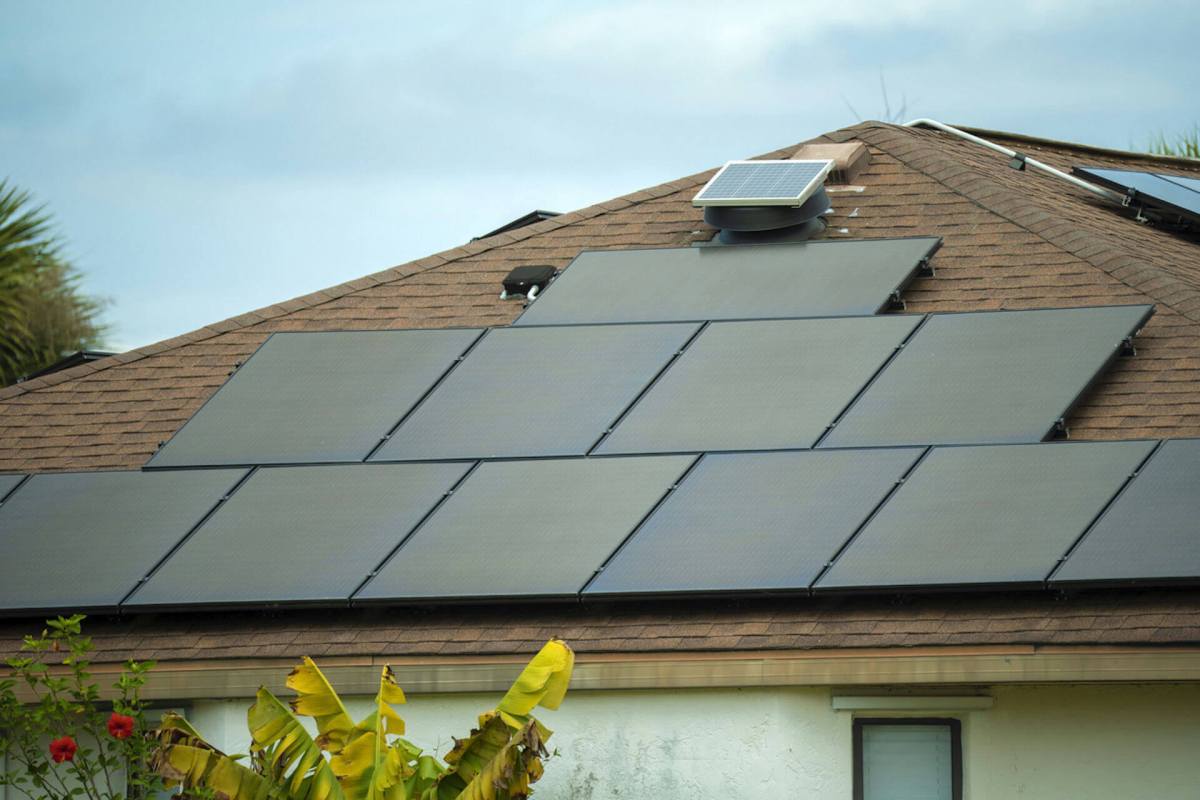
"While a handyman or well-meaning unlicensed individuals may try to work cheaper, the risks to your property, finances, and family are much too great," Riggs cautioned. EnergySage added that while EV drivers save on gas, installing solar panels significantly enhances those savings.
Save $10,000 on solar panels without even sharing your phone number Want to go solar but not sure who to trust? EnergySage has your back with free and transparent quotes from fully vetted providers that can help you save as much as $10k on installation. To get started, just answer a few questions about your home — no phone number required. Within a day or two, EnergySage will email you the best local options for your needs, and their expert advisers can help you compare quotes and pick a winner. |

Solar has long been an underrated hack to dramatically slash energy bills, and with U.S. utility costs estimated to reach a staggering $38 billion by the end of 2025, solar panels are an excellent hedge for most households and communities.
As a comprehensive destination for all things clean energy, EnergySage is a vital resource to navigate the solar marketplace. Its free mapping tool can help users maximize savings as they transition to eco-friendly, money-saving options.
|
Which of these factors is the biggest obstacle preventing you from getting solar panels? Click your choice to see results and speak your mind. |
 The upfront cost 💰
 EnergySage even offers a free service matching consumers with trusted, local installers, potentially saving customers up to $10,000 on new installations. A 30% federal tax credit remains in effect until the end of 2025, and acting quickly can result in an estimated $10,000 in additional savings.
Solar's initial upfront investment might be too steep for some households, but that doesn't mean there aren't ways to lock in energy savings as utility bills soar. Palmetto's LightReach solar leasing program offers plans with no money down.
More From EnergySage
💡Go deep on the latest news and trends shaping the residential solar landscape



Going electric offers numerous ways to save, and using heat pumps is another way to lower utility bills. Mitsubishi connects customers with the right heat pumps and installers for their home and budget.

Join our free newsletter for weekly updates on the latest innovations improving our lives and shaping our future, and don't miss this cool list of easy ways to help yourself while helping the planet.
Cool Picks





