


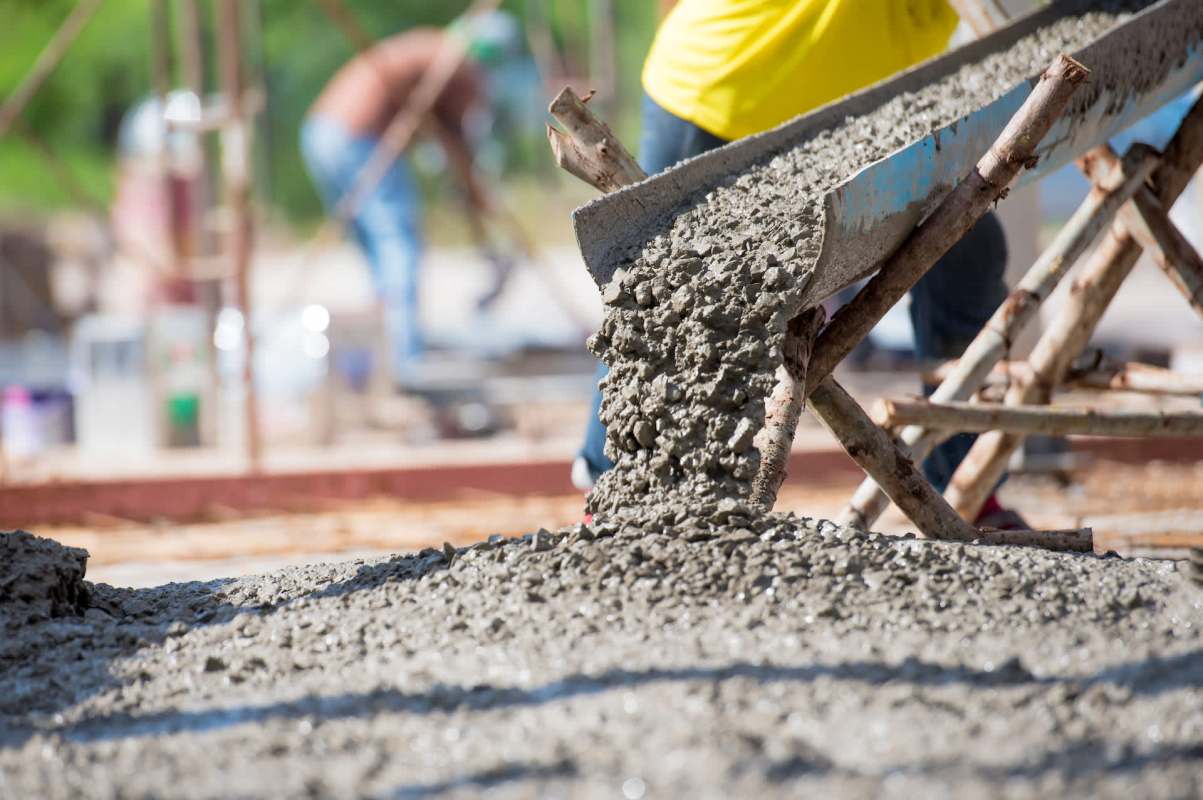
Next-gen concrete may have skin-like qualities if Texas A&M experts successfully bring their self-repairing product to market.
The researchers have developed a synthetic lichen that can fix cracks in cement, sort of like how our epidermis heals cuts, according to an A&M press release. The breakthrough could solve a common problem seen on most sidewalks. Cracking can also lead to failures in large structures, such as bridges and buildings, according to the team.
"Microbe-mediated self-healing concrete has been extensively investigated for more than three decades, but it still suffers from one important limitation — none of the current self-healing approaches are fully autonomous since they require an external supply of nutrients for the healing agents to continuously produce repair materials," Assistant Professor Congrui Grace Jin said in the release.
Lichen is often found in nature when attached to trees and rocks. It thrives in severe conditions thanks to symbiotic relationships. The organism contains cyanobacteria that convert air and sunlight into food, as well as fungi. This, in turn, makes minerals that can seal small concrete splits before they turn into ruinous ravines. It can help make healing automatic, saving time and money that's burned with hands-on repairs. For reference, the U.S. spends tens of billions of dollars each year fixing concrete infrastructure, all per A&M.
The concept was vetted during lab tests when microbes lived in air, light, and water. It grew and produced crack-filling minerals, the report continued.
The positive results are multiple. Repair costs for governments and property owners could plummet thanks to a self-healing key building material. Additionally, cement production is estimated to account for about 8% of the world's heat-trapping carbon dioxide emissions, according to the World Economic Forum. So, extending its lifespan would help to clear the air by reducing production needs.
Planet-warming gases are contributing to increased risks of severe weather, according to NASA. And government reports have highlighted growing air pollution-related health concerns, including dementia, asthma, and heart risks.
For reference, concrete is the second-most used substance on Earth following water, at more than 494 billion cubic feet used annually, per the WEF.
Cleaning up the industry has been a focus of other research as well. Experts at Newcastle University in the United Kingdom are working on a fungal-based mix called mycocrete. Cleaner slurries used in 3D printers, and even recycled plastic-based bricks, are innovations that are already used or hold promise for the future.
You can help the success of sustainable efforts by investing in companies that are working on cleaner products and building a portfolio that aligns with your personal values. At home, you can eliminate concrete in landscaping and replace it with native flowers as part of rewilded plots. Domestic plants require less water, fewer costly fertilizers, and fewer other treatments. The varieties also help pollinators, crucial to 35% of our food supply, according to the U.S. government.
TCD Picks » Quince Spotlight
💡These best-sellers from Quince deliver affordable, sustainable luxury for all




|
What is stopping you from upgrading to a heat pump system?
Click your choice to see results and speak your mind. |
 The cost of installation 💵
 At A&M, researchers are also examining societal concerns about using fungi in building materials as they perfect their innovation.
"To develop a better understanding of … using living organisms in construction and the ethical, social, environmental, and legal issues involved," per the release.

Join our free newsletter for weekly updates on the latest innovations improving our lives and shaping our future, and don't miss this cool list of easy ways to help yourself while helping the planet.
Cool Picks





