


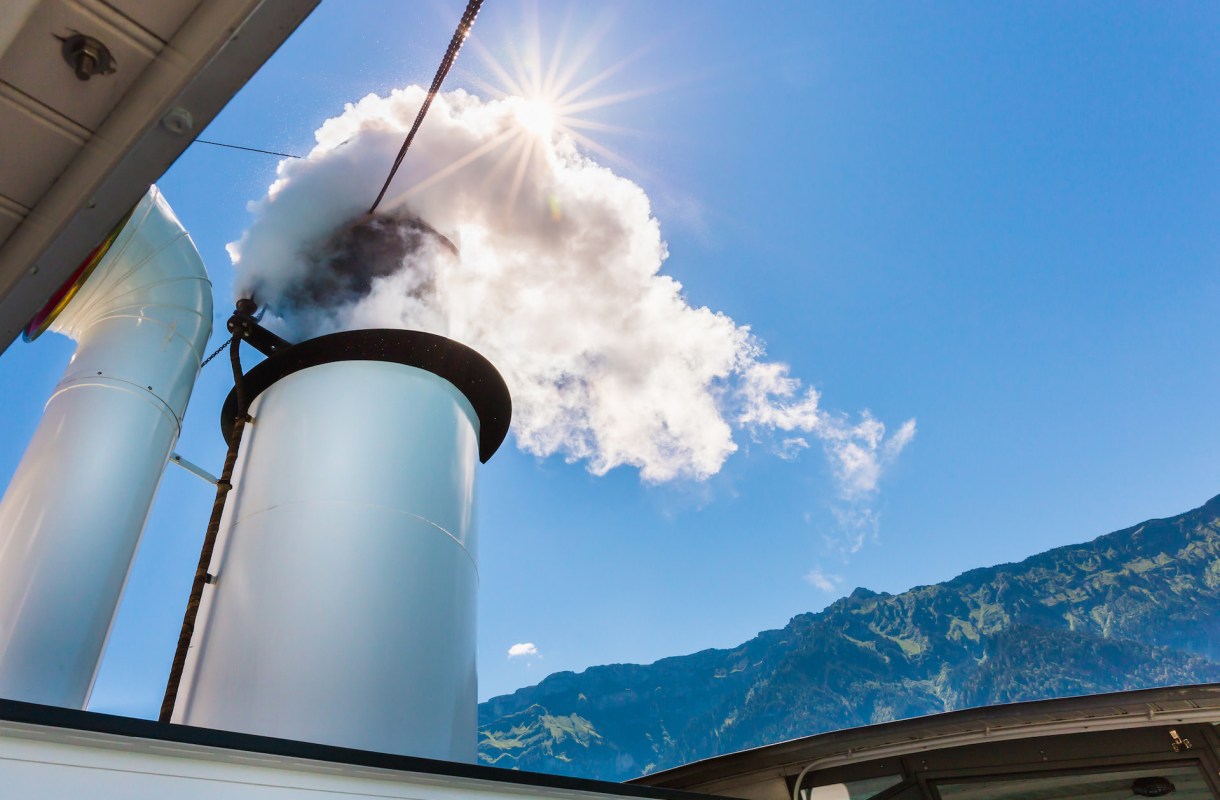
One company is turning a dirty job into a clean win for everyone. TechCrunch shared the news that Seabound is retrofitting a ship to turn it into a double-duty vessel — cleaning the air while hauling cement across the sea.
Seabound is a London-based startup. It has fitted a system that captures pollution straight onto the exhaust of the UBC Cork, a carrier that transports cement, Cyprus Shipping News reported.
The system traps harmful carbon pollution and turns it into limestone, a key ingredient in cement. When the UBC Cork docks in Norway, it will unload the limestone at the cement plant of Heidelberg Materials, where the substrate will be used to produce more cement.
This advancement could sharply cut air pollution. Both the shipping and manufacturing and construction industries contribute heavily to the global carbon footprint. In 2021, these sectors accounted for more than seven billion tons of heat-trapping pollution, according to Our World in Data.
While there are ongoing projects to electrify ships, the process is tough and expensive to implement at scale. On the other hand, Seabound's technology is a practical and scalable solution.
Instead of overhauling engines or waiting for more affordable systems that can power electric transport ships, Seabound's system can be bolted right onto existing ships. It's similar to strapping a high-efficiency filter to a diesel engine — easy to install, big impact.
Seabound isn't alone in transforming the shipping and construction industries. Aerleum is also experimenting with a direct air capture technology that can convert carbon dioxide into fuel for cargo ships.
In France, Vela has developed a 100% wind-powered trimaran cargo ship that speeds up voyages across the sea.
On the construction side, Nanogence is using "nanolevel" crystals to strengthen concrete and reduce the pollution associated with traditional cement production — an energy-intensive process that requires baking limestone at extremely high temperatures.
Meanwhile, MCi Carbon is working on a process to convert harmful gases into stable carbonates that can be used as building materials.
TCD Picks » Quince Spotlight
💡These best-sellers from Quince deliver affordable, sustainable luxury for all




|
Do you think your city has good air quality? Click your choice to see results and speak your mind. |
 Definitely 🥰
 Innovations such as these lay solid foundations for a cleaner future. They help close the loop by turning pollution into energy sources and useful materials.
Small changes by individuals, including supporting brands that prioritize reducing waste and choosing plastic-free alternatives, can also help create a greener and cooler future.

Join our free newsletter for weekly updates on the latest innovations improving our lives and shaping our future, and don't miss this cool list of easy ways to help yourself while helping the planet.
Cool Picks





