


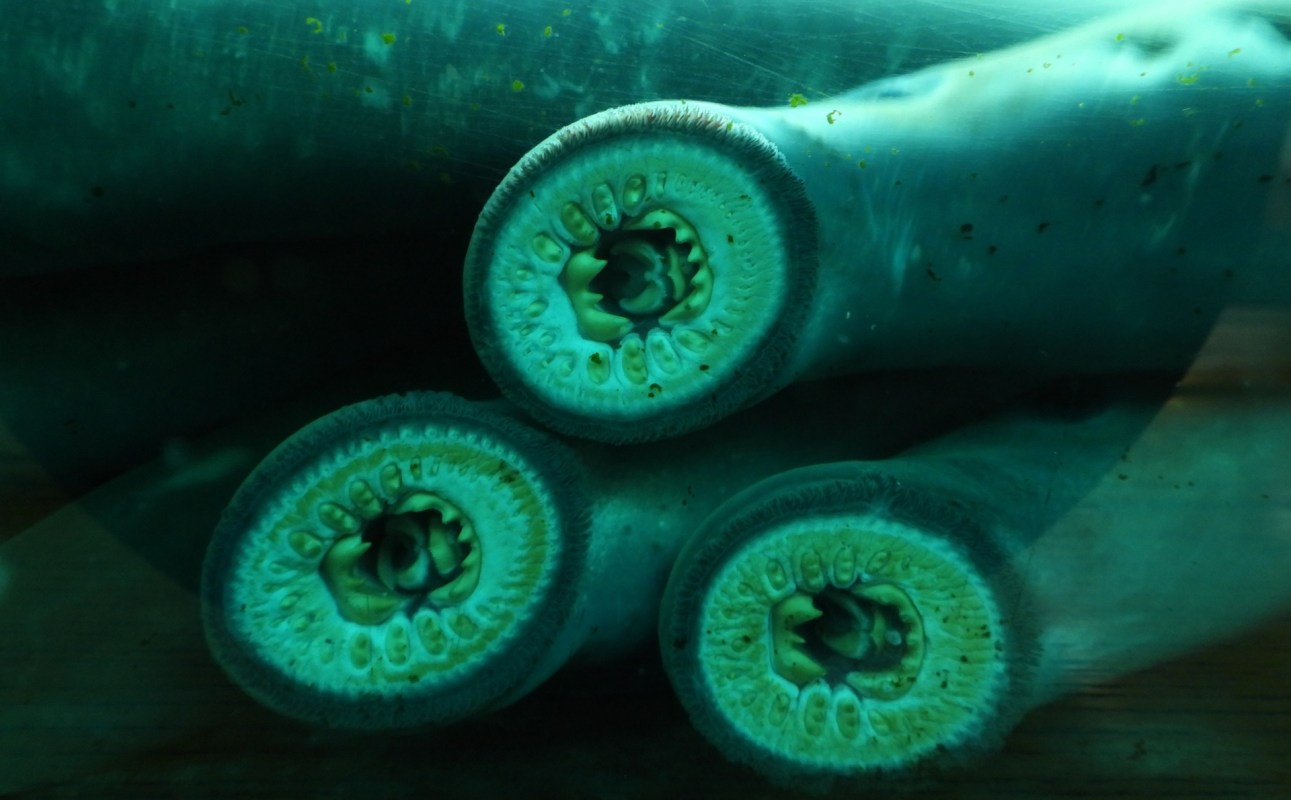
An eye-opening explainer about Great Lakes invasive species is putting some unsettling creatures on people's radars, including bloodsucking lampreys and mussels that can blanket lake bottoms.
The five Great Lakes hold about one-fifth of the world's surface freshwater, and invasive species are disrupting the food web tied to drinking water, fishing, and recreation.
The explainer by WorldAtlas shows how deeply invasive species have reshaped the interconnected Great Lakes basin: Superior, Michigan, Huron, Erie, and Ontario.
While roughly 190 non-native species have been recorded there, only around 78 are labeled invasive, as they harm wildlife, the regional economy, or human health.
Viewers are taken through the lakes' food web — from tiny phytoplankton and zooplankton up through forage fish to predators like lake trout and walleye.
The most jarring images are of the invaders themselves: sea lampreys — described as fish with a suction-cup mouth lined with teeth — and zebra and quagga mussels, which can spread so densely that they effectively smother parts of the lake floor.
TCD Picks » Quince Spotlight
💡These best-sellers from Quince deliver affordable, sustainable luxury for all




The post also notes that not every newcomer is harmful. Some deliberately stocked fish, including rainbow trout and chinook salmon, are managed for sport and can help keep some non-native fish in check.
"Non-native" and "invasive" are not the same thing.
Sea lampreys prey on large native fish and helped drive devastating fishery losses after they spread through the upper lakes in the 20th century. Round gobies compete with native fish and eat their eggs. Zebra and quagga mussels strip out plankton that young fish need while also altering water clarity and nutrient movement in ways that can encourage harmful algal blooms.
For Great Lakes communities, the consequences can ripple far beyond the water. A damaged food web can lead to weaker fisheries, dirtier beaches, reduced biodiversity, and increased pressure on water systems and local economies tied to tourism and boating.
The 2025 State of the Great Lakes Report rated the prevention of new introductions as "good," in part due to stricter ballast-water rules.
Still, impacts from already-established species were rated "poor," and reversing the damage once an invader takes hold remains difficult.
Scientists and managers say prevention is going better than cleanup, with ongoing invasive impacts still rated "poor," particularly because zebra and quagga mussels continue to strain the food web.
Lawmakers are also responding. In late 2025, two Michigan lawmakers introduced the bipartisan Save the Great Lakes Fish Act, which authorizes $500 million over a decade for mussel research and control.

Get TCD's free newsletters for easy tips, smart advice, and a chance to earn $5,000 toward home upgrades. To see more stories like this one, change your Google preferences here.






