


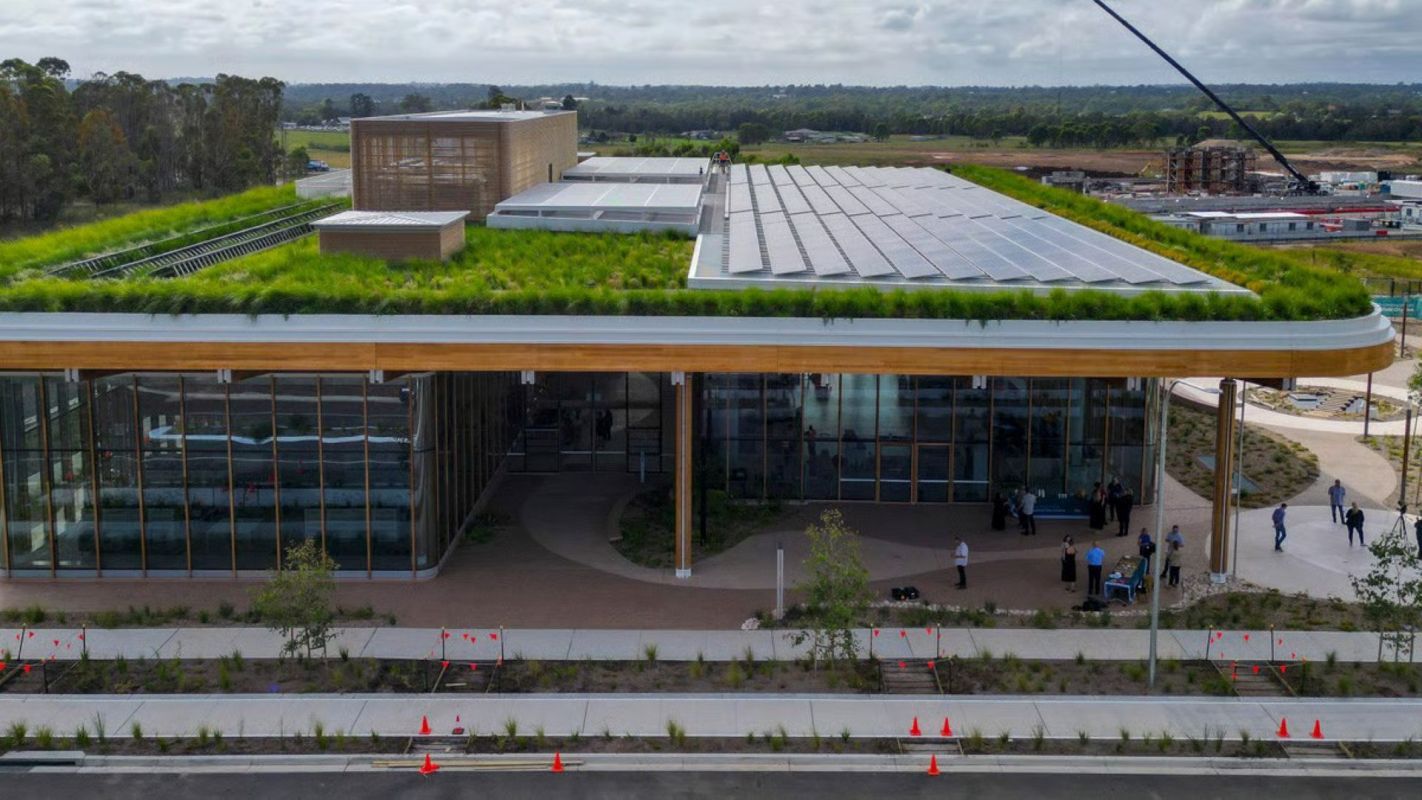
A rooftop covered with more than 14,000 native plants helped solar panels in Western Sydney generate significantly more electricity as temperatures climbed.
This effort created a win-win situation for helping native plants while also providing clean energy — in some of the hottest conditions, it delivered a performance boost of up to 23.25% compared to a standard rooftop array, PV Magazine reported.
Here's what to know
The Bradfield Development Authority and the University of Technology Sydney studied a biosolar roof at Bradfield City's First Building to see how well vegetation and solar panels work together. During the summer of 2025, the installation produced 11.1% more electricity on average than a conventional rooftop solar system, suggesting the pairing can improve how both systems perform.
Native vegetation covers the roughly 14,000-square-foot (1,300-square-meter) roof beneath a solar setup that takes up about 30% of the space, according to PV Magazine.
Crushed by your bills? See instant solar savings from vetted installers in just a few clicks With energy prices through the roof, there's never been a better time to go solar — and EasyHome can help you find the best prices from the best installers in your area. EasyHome takes the guesswork and headaches out of energy upgrades by showing you estimated savings from a network of vetted local partners. To get started, just enter your ZIP and share a few details about your home — seeing your estimate is really that easy. |

The plants and technology work hand-in-hand: the site includes 319 north-facing panels that give some shade to help support the plant growth beneath them. The vegetation also cools the air around them through evapotranspiration, releasing moisture that helps lower temperatures.
According to lead researcher Associate Professor Peter Irga of the University of Technology Sydney, solar panels operate most efficiently at about 77 degrees Fahrenheit (25 degrees Celsius), so extreme heat can make it more difficult for them to generate power. He said efficiency can fall by as much as 2% for every degree above that level.
"We found the cooling effect of the vegetation was highly dynamic, and became more effective as the ambient temperature rose," Irga said.
Going solar is one of the best ways to save money on home energy, and studies like this suggest some systems could get even better with smarter design. Homeowners curious about the economics can use EnergySage to get quick installation estimates and compare quotes for free.
More background
The findings point to a way for cities to tackle multiple problems at once — generating more clean electricity while also addressing issues of heat, runoff, and habitat loss at the same time. The approach could mean cooler buildings, lower energy demand, and healthier urban environments for people living and working nearby.
The research team said the vegetation has shown success in numbers — increasing solar output by the equivalent of 0.24 kilowatt-hours per panel per day on average, with the biggest gains coming on high-irradiance days. On the hottest days, the biosolar roof also measured as much as 50.4 degrees Fahrenheit (28 degrees Celsius) cooler than a standard aluminum roof.
The benefits extended beyond energy production. The roof's drainage and irrigation system retained about 73% of rainfall, and the plants filtered out more than 90% of major air and water pollutants. Researchers also recorded 39 types of birds, insects, mammals, and gastropods at the site.
What's being done?
Bradfield City is already building around the idea. Ken Morrison, chief executive officer of the Bradfield Development Authority, said the development's master plan calls for green or biosolar roofs across 80% of eligible roof space.
More From EnergySage
💡Go deep on the latest news and trends shaping the residential solar landscape

For households, tools that simplify solar shopping can make a big difference. EnergySage's solar map shows the average cost of a home solar panel system on a state-by-state level, along with details on solar incentives in each state. Together, those resources can help readers get the best price for rooftop solar panels and access available incentives.
EnergySage's free services can also make the process of upgrading a home less overwhelming. With EnergySage's help, the average person can save up to $10,000 on solar purchases and installations. That makes it easier for more households to capture the kind of long-term bill savings that better-performing solar systems can unlock.
Adding battery storage to a solar setup is also one of the best ways to protect your home during outages, save money on energy, and go off grid. Readers can explore EnergySage for free information about home battery storage options, including competitive installation estimates.
Irga said the implications reach far beyond a single rooftop: "Urban development has treated green space and renewable energy as separate goals. Our research provides empirical evidence to show that integrating them is more effective."

Get TCD's free newsletters for easy tips, smart advice, and a chance to earn $5,000 toward home upgrades. To see more stories like this one, change your Google preferences here.






