


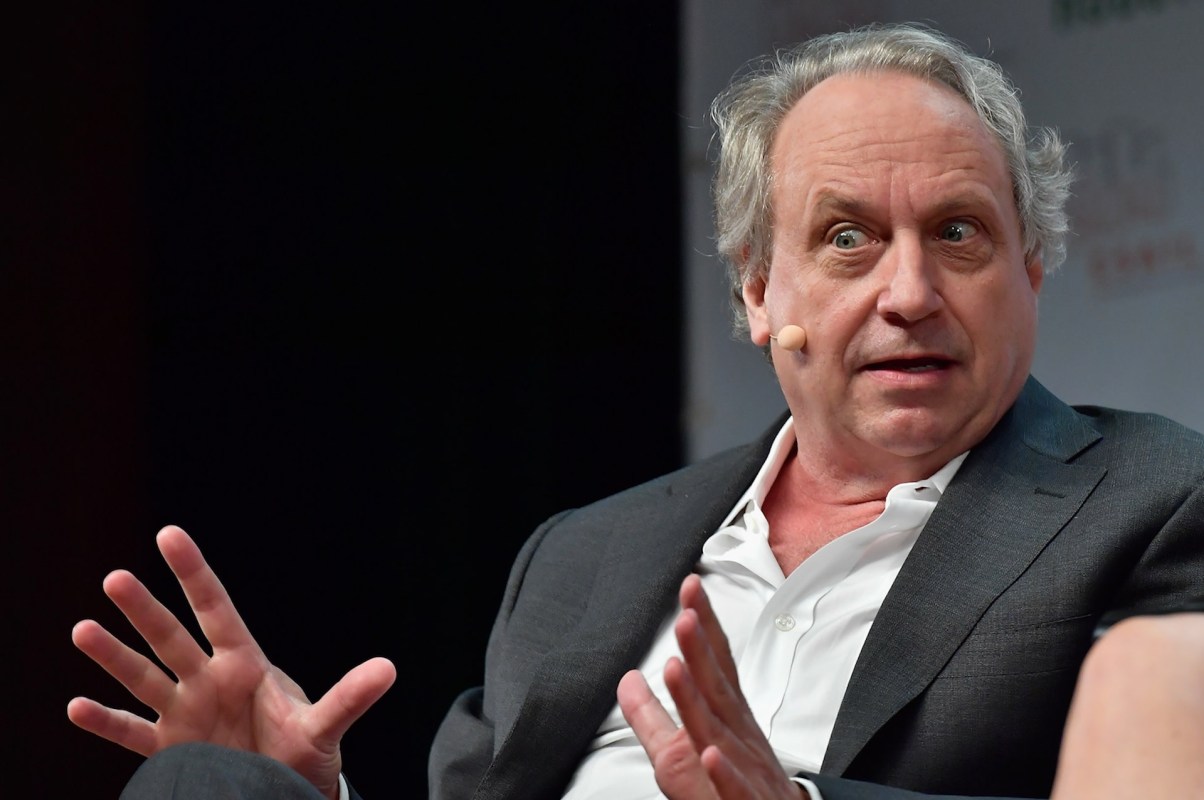
A high-profile robotics expert thinks Elon Musk's AI ambitions are a pipe dream, according to Fortune.
Rodney Brooks was the co-founder of iRobot, the creator of the home robot vacuum Roomba. He recently wrote that it will be practically impossible for robots to fulfill the same roles as people, despite Tesla's stated goal of having robots do so with its product, Optimus.
"In my opinion, believing that this will happen any time within decades is pure fantasy thinking," wrote Brooks on his personal blog. "But many are predicting that it will happen in as soon as two years, and the more conservative 'hypenotists' believe it will have significant economic impact within five years."
One major bottleneck, according to Brooks, is the wide difference in touch sensitivity between humans and current robots. The difference in dexterity, he argues, also makes a steep challenge for humanoid robots trying to fill human shoes. As one might expect from the former Chief Technical Officer behind Roomba, he still sees a use for specialized robots in a wide range of form factors.
Despite all of his prognostications, Brooks' iRobot filed for bankruptcy in December.
While AI offers many benefits — like robots that can cook and clean for us — the downsides are significant as well. Even the prospect of mainstream robot laborers has serious economic implications, and the problems don't end there.
These robots are powered by artificial intelligence models that require vast amounts of energy to build. That energy produces atmospheric pollution when it's generated by coal, oil, or gas. Early indications show that the explosion of AI in all of its forms, robotic, text, imagery, and video, has a significant impact on pollution.
In addition to Tesla's challenges with Optimus so far, it's also dealt with struggling sales numbers in 2025 and legal battles over its self-driving cars.
Regardless of the technical feasibility of human-shaped robots, Brooks was particularly cynical about the investment environment around this burgeoning industry and made bold predictions about its future.
"A lot of money will have disappeared, spent on trying to squeeze performance, any performance, from today's humanoid robots," he said in his blog. "But those robots will be long gone and mostly conveniently forgotten."
TCD Picks » Quince Spotlight
💡These best-sellers from Quince deliver affordable, sustainable luxury for all




|
Would you trust a humanoid robot to work inside your home? Click your choice to see results and speak your mind. |
 Absolutely 👍
Get TCD's free newsletters for easy tips to save more, waste less, and make smarter choices — and earn up to $5,000 toward clean upgrades in TCD's exclusive Rewards Club.
Cool Picks





