


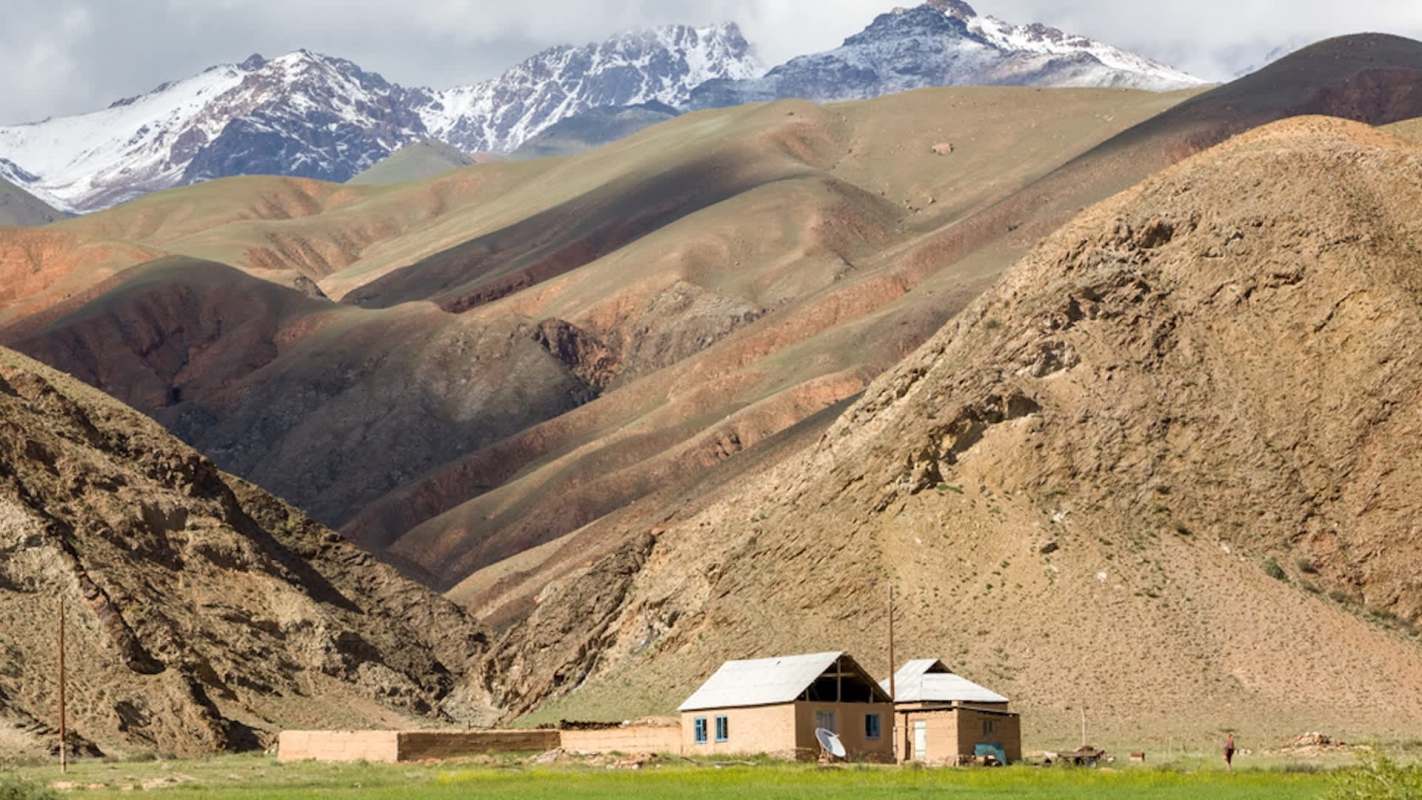
An innovative alternative to cement is making headway in Central Asia, according to Tech Xplore.
Twenty-seven-year-old Nursultan Taabaldyev has built 300 houses in Kyrgyzstan over five years using compressed bricks of waste organic matter. Initially, this matter was sawdust, but he has since moved to rice husks. About 40% of the bricks are composed of clay, cement, and glue.
"This idea came to me as a child, while doing carpentry with my father," said Taabaldyev, per AFP. "Rice waste is thrown into the fields, slowly burns, harms the environment, and is not used as fertilizer. So we decided to recycle it."
Using rice husks also prevents a fire risk, generated as the waste accumulates. Kyrgyzstan residents have been receptive to the homes being made with these bricks.
"In terms of insulation, cost, as well as for builders, it turned out to be convenient," said homeowner Akmatbek Uraimov, per AFP. "People didn't know about it. Now they see it, they are interested, they call."
Cement is a major contributor to global atmospheric pollution, accounting for roughly 4% of carbon dioxide emissions. These emissions contribute to increasingly destructive weather patterns such as floods and droughts. Among other negative consequences, these patterns raise grocery prices and home insurance premiums.
These costs have driven many people to advocate for low-carbon cement alternatives using materials such as glass manufacturing waste, eggshells, and mycelium.
The good news is that cement can sequester about 30% of the emissions created during production in a process called carbonatation. This is done by the formation of calcium carbonate in concrete, but it depends on its porosity and moisture level.
Still, Taabaldyev is showing no sign of slowing down his operations in alternative building materials. He's hoping to expand in geography and product types.
"I want to go to Kazakhstan to make bricks from crushed reed and straw," said Taabaldyev, per AFP.
TCD Picks » Quince Spotlight
💡These best-sellers from Quince deliver affordable, sustainable luxury for all




|
Would you live in a house made of beer waste? Click your choice to see results and speak your mind. |
 Sign me up 👍
Join our free newsletter for weekly updates on the latest innovations improving our lives and shaping our future, and don't miss this cool list of easy ways to help yourself while helping the planet.
Cool Picks





