


Experts are developing a Gorilla glue of sorts that releases its grip on demand.
While the product can bind many dissimilar materials, the Newcastle University team expects its use to be focused on plastics — bottles, labels, and packaging — where quick decoupling can aid recycling efforts, according to a news release from the U.K. institution.
"It is more critical than ever to develop technologies that will enable net-zero targets and our glue is doing exactly that," Professor Katarina Novakovic said.
The "reversible glue" is water-based and can be decoupled with exposure to acidic or alkaline water. The first version required two glues, one applied to each surface. Opposite electric charges in the substances pulled them together. Adding clays to the formula thickened the glue to address dripping. It also enabled it to bond with one solution, or a "one-pot" formula. When decoupled, spent parts can be separated and recycled.
It's based on a simple, cheap manufacturing process similar to making paint. The formula is environmentally friendly, and unlike other water-based products, it holds up in humidity. It also has a one-year shelf life at room temperature. Importantly, the substance matches the strength of other water-based glues.
The team believes its glue could be a major breakthrough for the packaging sector, while automotive parts and electronics are also potential applications.
"Reversible adhesives are starting to attract attention in industry," study first author and research associate Adriana Sierra-Romero said. "They're not yet mainstream, but we expect adoption to grow as companies look for more sustainable solutions."
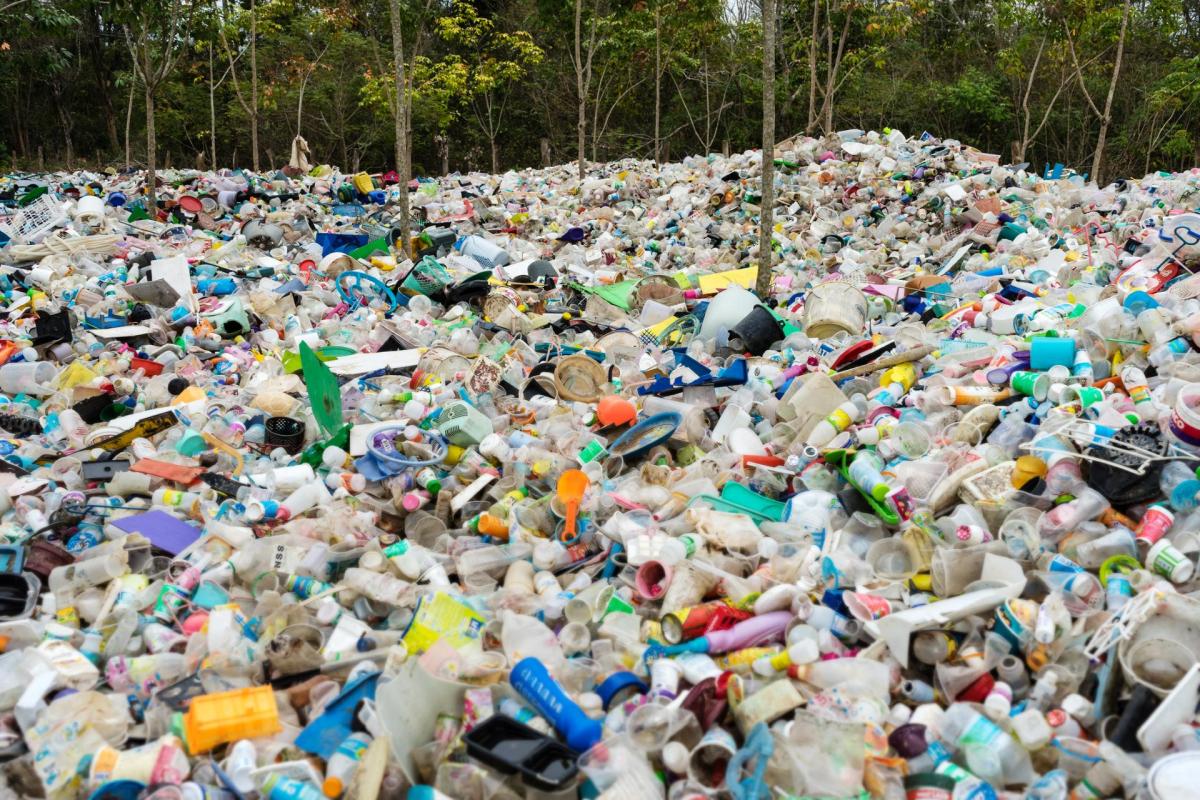
The innovation will be a huge success if it aids plastic recycling. The United Nations reported that only about 9% of plastics are recycled globally. Worse yet, a 2022 Greenpeace update detailed flaws with U.S. efforts, including consumer confusion and problems with mechanical and chemical processing. The organization put the country's recycling rate at 5% as of 2021 — a mark widely reported to have remained steady.
Plastic can take centuries to degrade, leaving behind harmful microplastics. The particles have been found in animal and human bodies, and doctors are still studying how they are impacting health.
Another "on-demand" invention based on water is geared to address growing electronic waste. London-based Jiva Materials is developing circuit boards that dissolve when submerged so that the valuable metal parts can be easily collected.
TCD Picks » Quince Spotlight
💡These best-sellers from Quince deliver affordable, sustainable luxury for all




|
Which of these savings plans for rooftop solar panels would be most appealing for you?
Click your choice to see results and earn rewards to spend on home upgrades. |
 Save $1,000 this year 💸
 In the meantime, using what you already have and recycling are easy ways to help limit needless waste. Switching to cloth grocery bags, for example, can prevent loads of plastic ones from entering landfills while providing you with a sturdier food carrier. Recycle Check is a great service that can help you locate recycling opportunities near you.
The Newcastle experts are excited about their progress with "on-demand" glue and how it can help to make more sustainable products.
"It is really exciting to see how this technology is developing and I am so excited by the future opportunities for our invention," project lead investigator, Professor Mark Geoghegan, said.

Get TCD's free newsletters for easy tips to save more, waste less, and make smarter choices — and earn up to $5,000 toward clean upgrades in TCD's exclusive Rewards Club.
Cool Picks





