


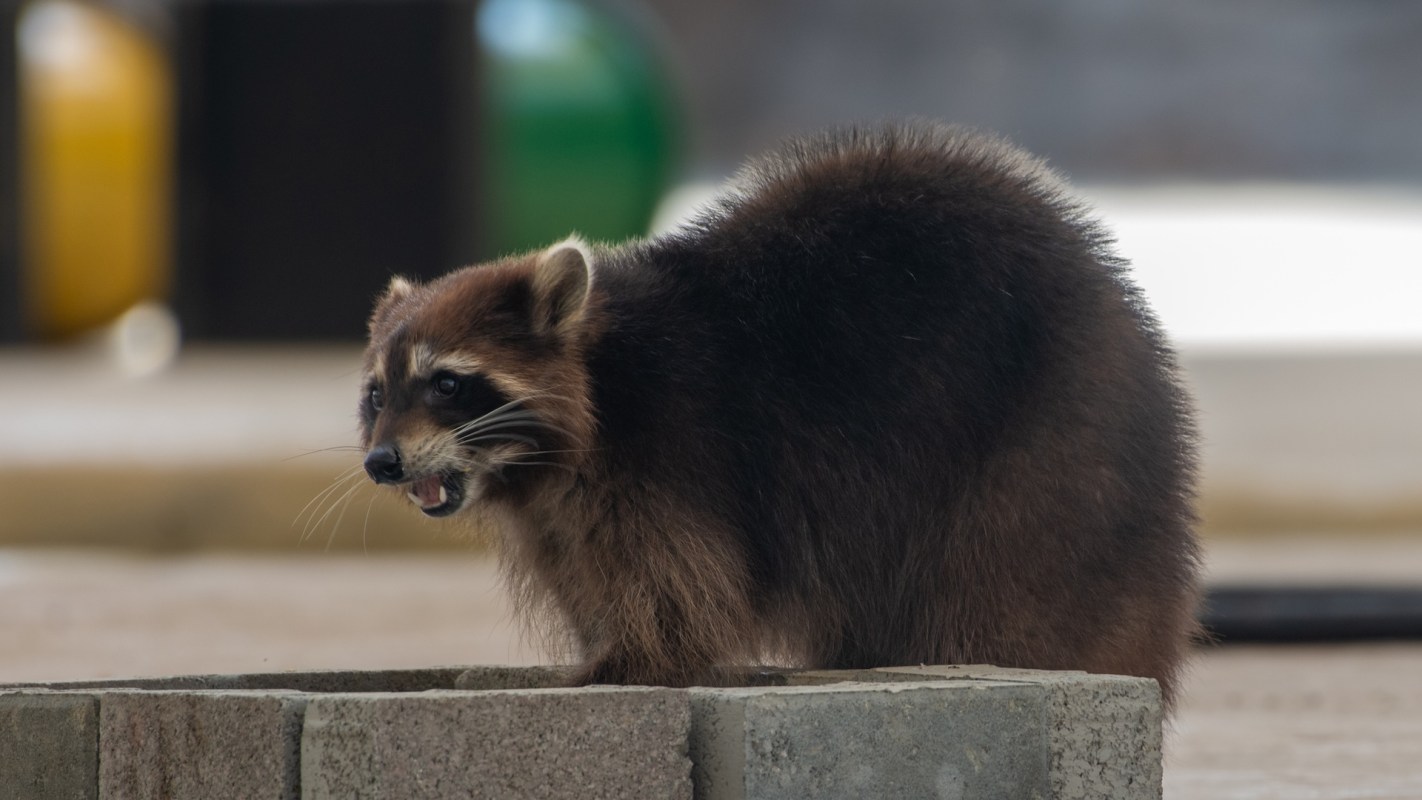
A raccoon that attacked a dog in Gwinnett County, Georgia, tested positive for rabies, prompting an urgent warning to residents and pet owners, as FOX 5 reported.
What happened?
Health officials said the raccoon attacked a dog on Biltmore Oaks Drive in the Bethlehem area last week, per FOX 5. The animal was confirmed to have rabies four days after the attack, Gwinnett County Animal Welfare and Enforcement said in a press release.
Officials have not said what condition the dog is in, per FOX 5. It also remains unclear whether any people or other pets in the neighborhood were exposed before the raccoon was tested, the network noted.
Rabies can spread through bites or scratches from infected wild animals, including raccoons and foxes, Gwinnett County Animal Welfare and Enforcement explained.
Why does it matter?
Wildlife experts have long warned that human development, outdoor pet food, and unsecured trash can increase contact between wild animals and people.
Rabies is one of the most dangerous diseases linked to wildlife exposure. The CDC says the virus attacks the central nervous system and is "almost always fatal in humans if left untreated."
TCD Picks » Quince Spotlight
💡These best-sellers from Quince deliver affordable, sustainable luxury for all




Early symptoms in people can include fever, headache, and general weakness or discomfort. Because those signs can resemble common illnesses at first, quick action after a bite or scratch is critical.
The risks are serious for pet owners as well. The National Association of State Health Veterinarians says unvaccinated dogs and cats exposed to a rabid animal must undergo a strict four-month quarantine, per the press release.
As neighborhoods expand into wildlife habitat and animals adapt to human food sources, encounters can become more common.
That can put both people and animals at risk, especially when sick wildlife enters yards, streets, or other areas where pets roam.
What can I do?
Keeping pets up to date on their rabies vaccinations can sharply reduce the risk after an exposure, the release noted.
Avoid leaving pet food outside, secure garbage cans, and keep pets supervised outdoors. Raccoons that seem unusually aggressive, disoriented, or unafraid of people should never be approached.
Officials wrote in the release that if you or your pet is bitten or scratched by a wild animal, you should seek help immediately. People should contact a medical provider right away, while pet owners should call a veterinarian and local animal control.
Prompt reporting can help officials determine whether others in the area may also have been exposed.
Reducing potential draws for wildlife around homes can help prevent the kinds of close encounters that happen when animals go into neighborhoods in search of easy food, and pets are put at risk by overlapping habitats.

Get TCD's free newsletters for easy tips, smart advice, and a chance to earn $5,000 toward home upgrades. To see more stories like this one, change your Google preferences here.






