


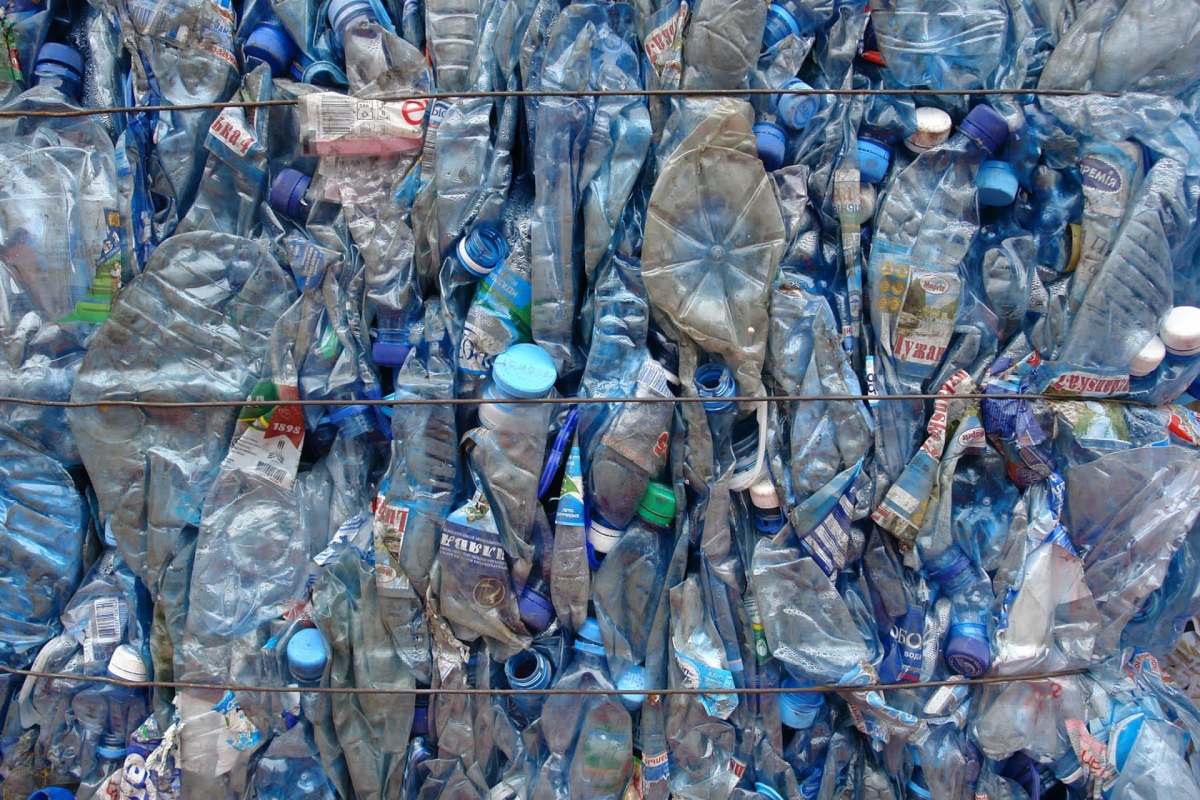
Plastic waste is one of the biggest environmental issues today, but a German biotech startup, Biophelion, has developed a method that turns some of that industrial waste into repurposed or even edible plastic.
According to Interesting Engineering, the startup says a black yeast-like fungus can convert carbon-rich byproducts from bioethanol, sugar, and paper industries into three compounds: a bio-based polyester, pullulan (an edible polymer already used in food), and novel surfactants (which are widely used in detergents) that are still being studied, according to the report.
Unlike traditional chemical processes that consume high energy and can generate toxic products, Biophelion's fungal process is designed to be efficient and circular. The team continues to explore whether pullulan could be used as a 3D printing material, which could replace petroleum-based plastics during manufacturing.
To take it a step further, Biophelion envisions using 3D printed bioreactors that would allow the fungus to produce an entire production environment in addition to a single product.
This matters because global waste production is growing and plastics contribute strongly to pollution and poor waste management (like "garbage lasagna" in landfills). According to a review in Carbohydrate Polymers, pullulan production from agro-industrial waste has the potential to reduce environmental load by the process of turning waste into food-grade material, supporting the efficiency of this method.
For consumers, this could mean new packaging materials that are safer and easier on the environment. If Biophelion is successful, this would reduce the toxic gases that often come from conventional plastic production, which science has shown contributes to the overheating of the planet.
"Biophelion is specifically developing applications that are not yet conceivable today — we are breaking new ground with pullulan and our surfactant molecule in particular," said Till Tiso, one of the founders, in the company's announcement cited by Interesting Engineering. The team also notes the importance of scaling up to continue to optimize these materials for the future of fungus-based production processes.
|
Which of these factors would most effectively motivate you to buy a refillable product?
Click your choice to see results and speak your mind. |
 Saving money 💰
Join our free newsletter for weekly updates on the latest innovations improving our lives and shaping our future, and don't miss this cool list of easy ways to help yourself while helping the planet.
Cool Picks





