


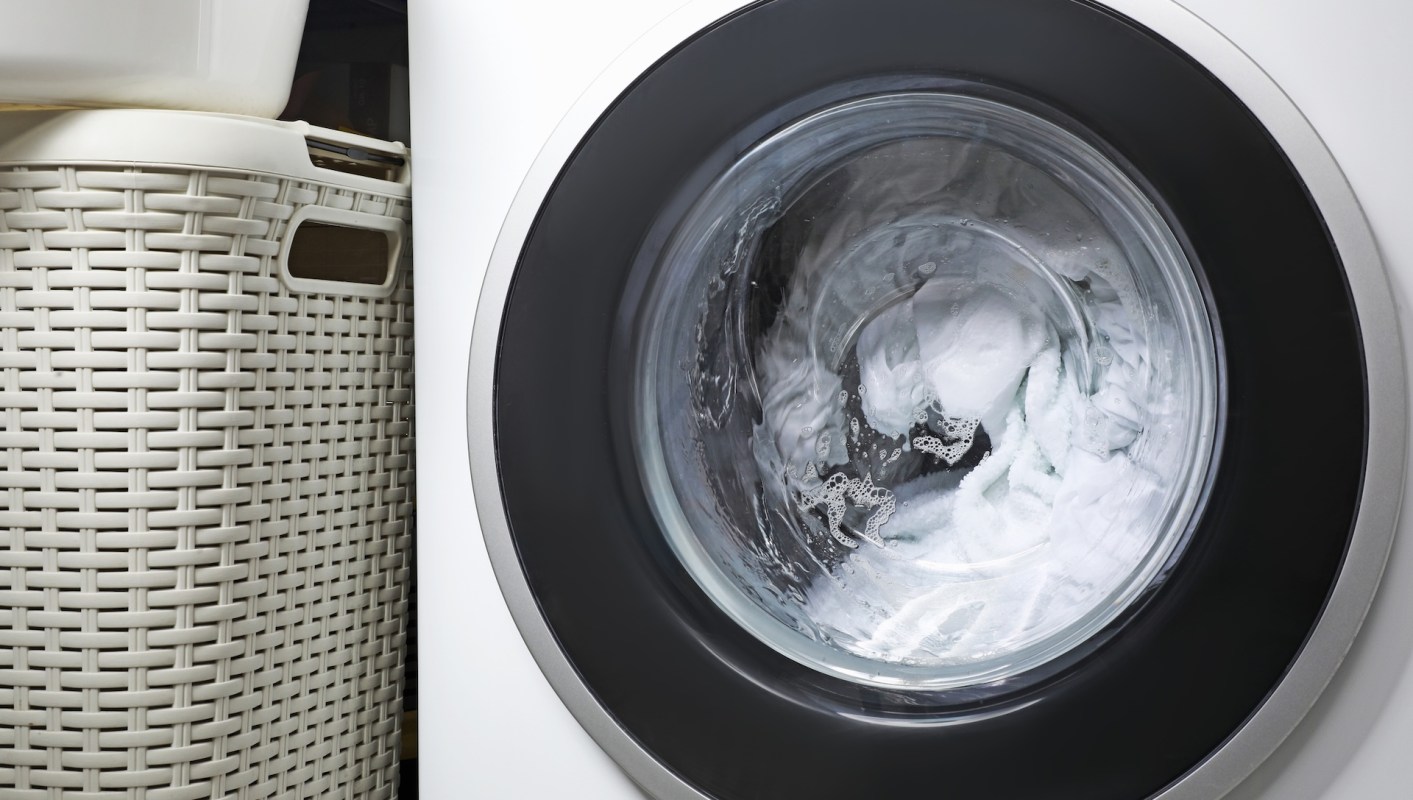
Portland State University researchers are testing a straightforward approach to tackling microplastic pollution at its source: filtering the tiny particles before they escape from household washing machines and dryers.
A recent study has enlisted 90 Oregon Coast households to evaluate whether filters attached to appliances can capture microplastics released during laundry cycles, per Oregon Public Broadcasting.
Every time you wash synthetic clothing, tiny plastic particles break off and flow into water systems or drift into the air. These microplastic fragments have infiltrated food supplies and human bodies, raising several concerns about long-term health impacts.
Scientists have linked microplastics to endocrine-disrupting chemicals such as phthalates, which can interfere with hormones and the reproductive system. Round plastic grains tend to pass through the body, but fibers from synthetic fabrics can lodge in muscle cell walls and tissues.
"Are we going to just do another research project finding microplastics in another species and finding negative effects in another species? … What if we actually tried to look at some solutions?" asked Elise Granek, who runs the Applied Coastal Ecology Lab at PSU, per the OPB article.
Cannon Beach resident Mickey Moritz volunteered for the study without hesitation. She runs frequent loads of laundry for her three children and jumped at the chance to contribute.
"They didn't have to do much convincing," she said. "I knew about the microplastics problem. And with a background in science I'm always supportive of helping get studies done."
Study participants will clean their filters every six months and send the collected lint to PSU for analysis to help establish which appliances release more particles and whether filtering technology can effectively reduce the amount released.
"One of the things we're trying to figure out is: How do we work with an American washing machine company and dryer company to pilot a line that has these internal filters?" Granek explained.
Researchers expect to publish their initial findings in the coming months, potentially paving the way for commercially available filtered appliances that better protect human health and the environment.
TCD Picks » Quince Spotlight
💡These best-sellers from Quince deliver affordable, sustainable luxury for all




The research offers hope for addressing plastic pollution without requiring dramatic lifestyle changes. Concerned consumers can also explore their plastic-free options for everyday products to further reduce their environmental impact.
|
How often do you wash clothes in cold water? Click your choice to see results and speak your mind. |
 Every load 🫧
Get TCD's free newsletters for easy tips to save more, waste less, and make smarter choices — and earn up to $5,000 toward clean upgrades in TCD's exclusive Rewards Club.
Cool Picks





