


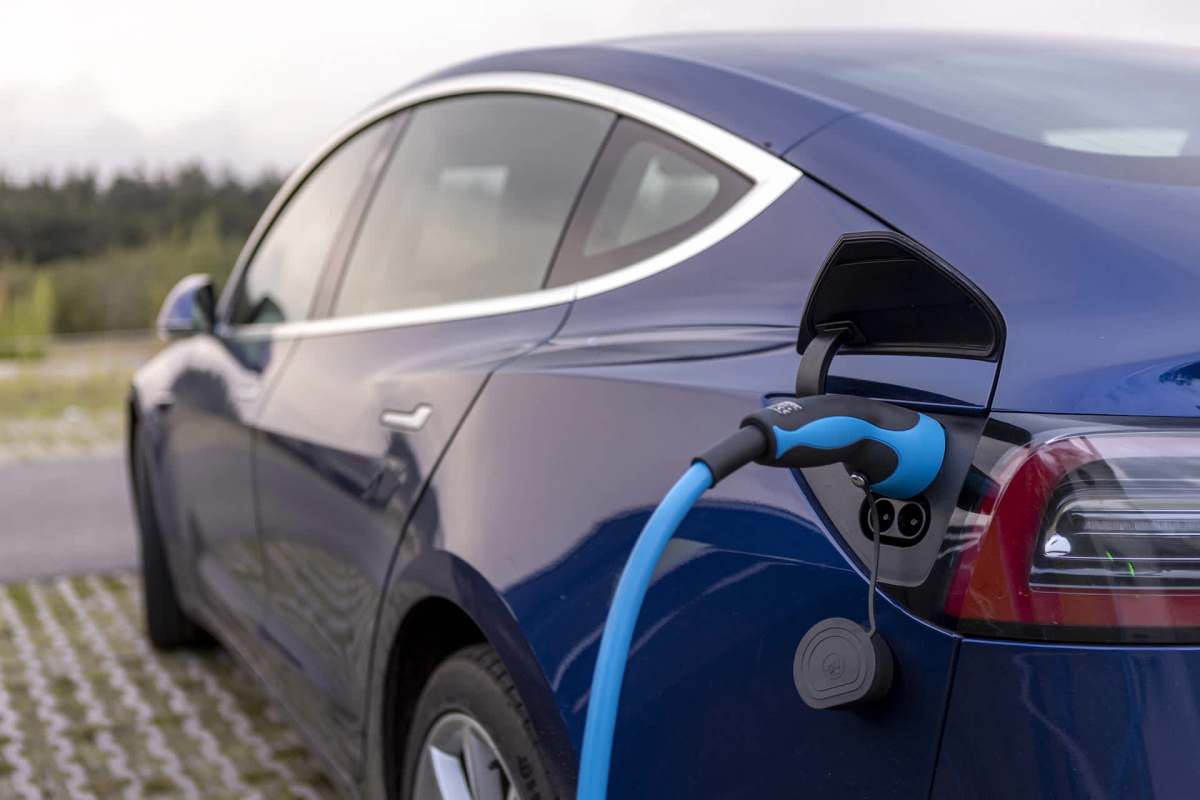
Complaints about electric vehicles generally center around their upfront costs, charging infrastructure, and end-of-life environmental waste.
Fortunately, technology is improving rapidly, and Jaguar Land Rover, with financial support from the United Kingdom, is working to address the environmental issues associated with EV batteries, according to Reuters.
Known as Project Comet, a U.K.-based initiative, the goal is to focus on recovering critical materials from EV batteries no longer in commission. It's a collaboration aimed at scaling up the recovery of lithium, nickel, and cobalt as part of a circular economy.
Mint Innovation, LiBatt Recycling, and the University of Warwick are also involved in the project, and recycling the materials is not the only goal. An enhanced focus on recycling reduces the need for energy-intensive mining operations and the consumption of finite resources.
EV battery waste is a growing issue, and the Advanced Propulsion Centre estimates that the UK alone will produce 235 kilotons of such waste by 2040.
Stateside, the volume of end-of-life EV battery waste is projected to reach 4 million metric tons annually by 2040, according to the National Renewable Energy Laboratory.
It's clearly a global issue, and the U.K. finds it worthy enough to spend £2 billion on funding until 2030 and £500 million on research and development until 2035.
The goals are fairly straightforward, including recovery, reducing virgin material imports, addressing battery waste, supporting net-zero pollution targets, and enhancing supply chain resilience.
Mint Innovation brings "black mass" technology to the table, a method for bioleaching the materials to extract the lithium, nickel, and cobalt as efficiently as possible.
According to Robin Brundle, the executive chairman of Recyclus Group, "Mint's scalable, low-carbon black mass refining process is exactly what the industry needs, and we believe this project will deliver tangible results."
TCD Picks » Quince Spotlight
💡These best-sellers from Quince deliver affordable, sustainable luxury for all




|
What is your biggest concern with EV batteries?
Click your choice to see results and speak your mind. |
 They're not efficient enough ⚡
 It's difficult to understate the global value of such a project, especially if combined with similar projects internationally.
It will help lower harmful carbon pollution by replacing mining operations with efficient recycling processes, reduce manufacturing costs, reduce waste pollution, and promote a more sustainable EV process.
Recycling projects are lagging well behind EV manufacturing, though there is currently a lull in demand. With enterprises like Project Comet entering the market, this may be a good time for the former to catch up to the latter.

Join our free newsletter for weekly updates on the latest innovations improving our lives and shaping our future, and don't miss this cool list of easy ways to help yourself while helping the planet.
Cool Picks





