


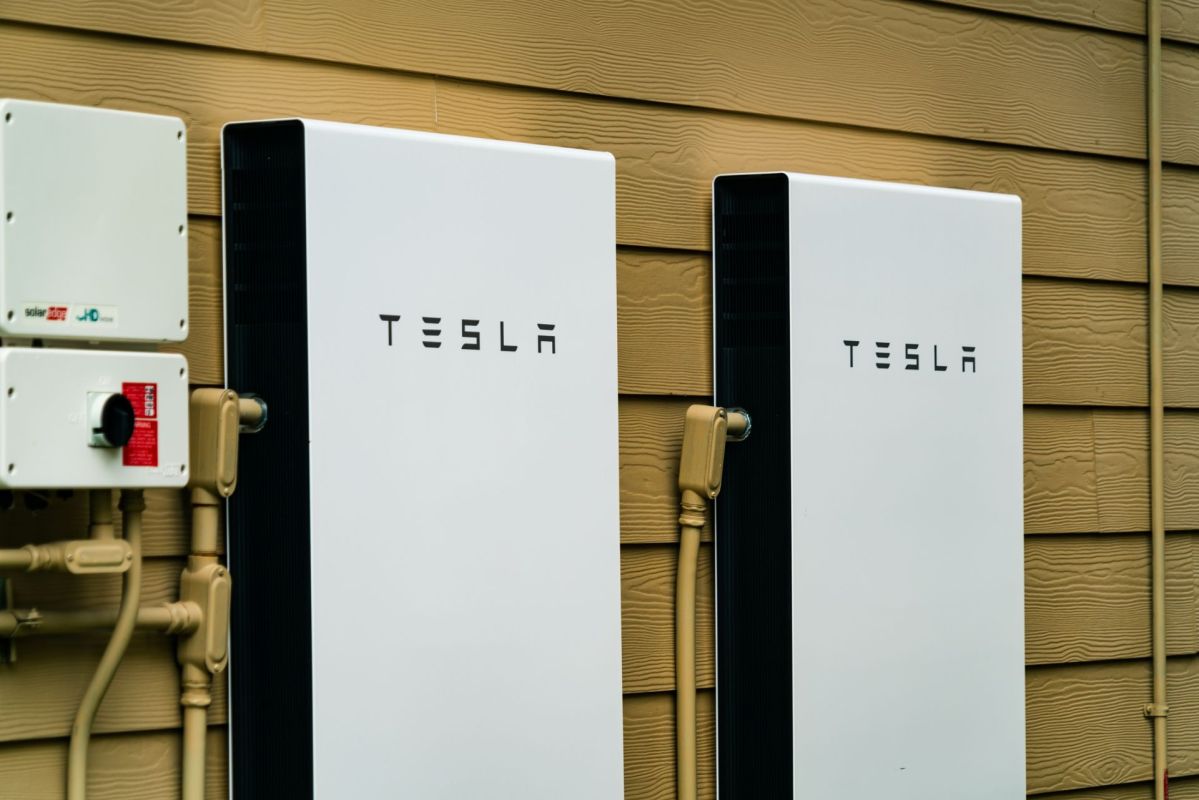
During a 104-degree day, a Tesla Powerwall 3 owner says the home battery stopped charging at 86%, raising concerns that could matter for many solar households. Mostly, what happens when extreme heat pushes backup equipment to its limits?
For people counting on batteries to trim power bills and keep the lights on during outages, a hot afternoon like this can turn into an expensive stress test.
What happened?
Writing in Reddit's r/TeslaSolar community, the homeowner said the system was still providing solar power for the air conditioner even while "drawing 1kw from grid." The same post added, "My Powerwall 3 stopped charging at 86% around 4pm today while temperatures were around 104 F."
The owner first tried to troubleshoot the issue and reset the setup. Then, they checked the unit and said it "measured around 125 F," which made them think heat had triggered a cutoff. According to the post, the battery would normally have reached 100% by then and started helping meet household demand.
Adding battery storage is one of the best ways to protect your home during outages, save money on energy, and move closer to going off-grid. If you're exploring your options, EnergySage's free tools to compare home battery storage choices and competitive installation estimates can help, and EnergySage has teamed up with the electrification brand Qmerit to guarantee you get the best price on home battery storage solutions.
Why does it matter?
Home batteries are designed to store extra electricity for later use, which is especially helpful after sunset or during blackouts. When a battery slows or stops charging during extreme heat, homeowners may be forced to pull more electricity from the grid at exactly the time air conditioners are working hardest.
A fully charged battery can help households avoid costly evening electricity use, improve resilience during outages, and make better use of rooftop solar instead of sending as much energy back to the grid.
Direct sun, poor airflow, and high outdoor temperatures can all affect battery performance, a growing concern as heat waves become more frequent in many communities.
Save $10,000 on solar panels without even sharing your phone number Want to go solar but not sure who to trust? EnergySage has your back with free and transparent quotes from fully vetted providers in your area. To get started, just answer a few questions about your home — no phone number required. Within a day or two, EnergySage will email you the best options for your needs, and their expert advisers can help you compare quotes and pick a winner. Solar panels can save you more than $50k over their 25-year lifespan, and EnergySage can help you save as much as $10k on installation. Which begs the question — isn't that worth an email or two? |

For people who want backup power without committing to a larger system, Pila offers another excellent option. Its plug-and-play batteries are priced at a fraction of what a whole-home backup system would cost.
What can I do?
If you already have a home battery, you should document when charging problems happen and track what the outdoor temperature is at the time. To be proactive, homeowners can also ask their installer whether battery placement, airflow, wall exposure, or a shade solution could help reduce heat stress while still being mindful of safety or warranty issues.
Battery storage can store lower-cost solar electricity for later use, reduce reliance on the grid during peak pricing hours, and provide critical support when storms or heat-related outages strike.
When comparing sticker prices, it's just as important to compare system size, siting recommendations, and installer experience in hot climates. Real-world performance matters, especially when a home is counting on that battery during the hottest part of the day.

Get TCD's free newsletters for easy tips, smart advice, and a chance to earn $5,000 toward home upgrades. To see more stories like this one, change your Google preferences here.






