


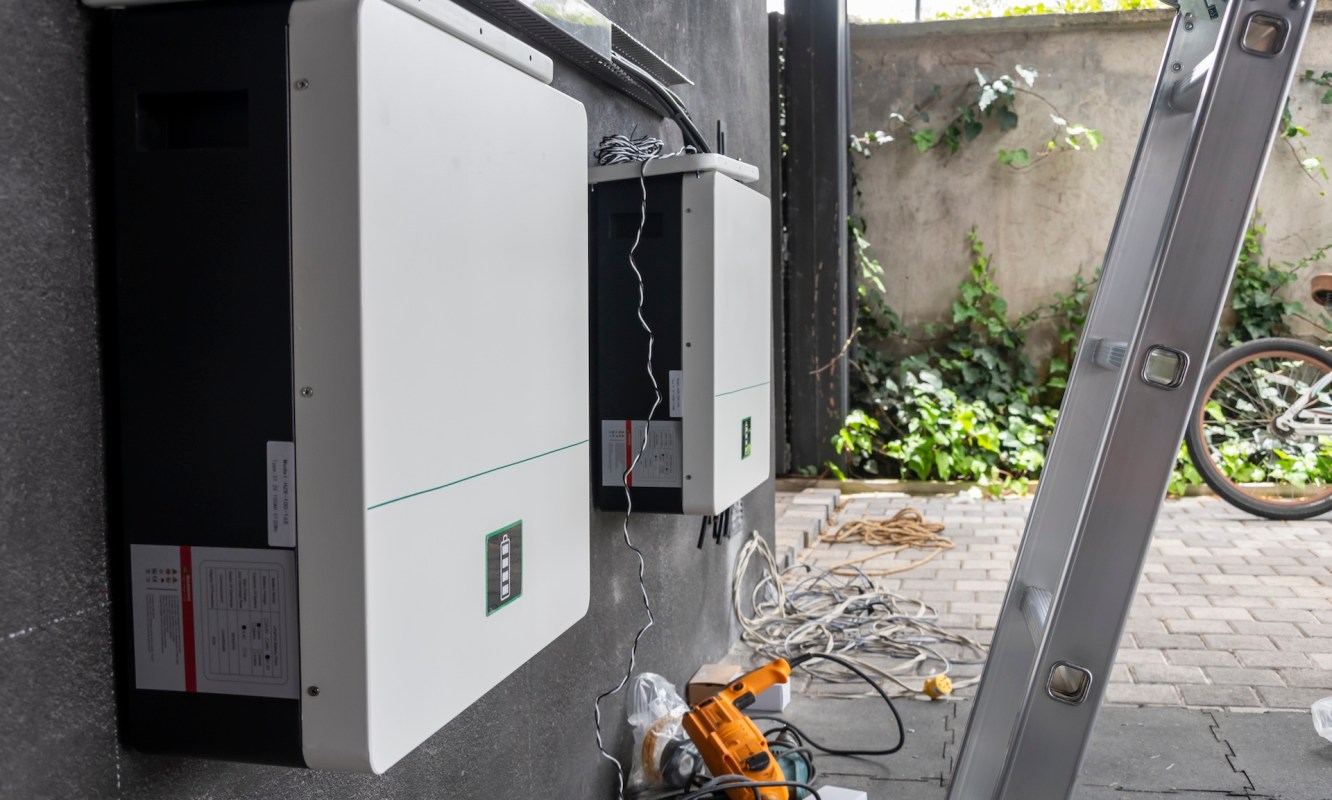
As more homeowners pair rooftop solar with battery storage, experts are reminding people that home battery backups need a different kind of care than solar panels. While panels often keep generating electricity for 25 years or more, the battery that stores that power usually has a shorter lifespan, and how you use it can make a major difference.
According to an explainer from home energy company Palmetto, most home solar batteries do not last as long as the panels attached to them.
The guide says a typical lithium-ion solar battery lasts about five to 15 years, with many manufacturers offering 10-year warranties. Those warranties often promise that the battery will retain around 70% of its original capacity after a decade.
Battery life is also often measured in charge-discharge cycles. Palmetto notes that lithium-ion batteries generally last for 3,000 to 10,000 cycles, and some warranties are written as 10 years or a certain cycle count, whichever comes first.
The guide says several factors shape how long a battery backup will stay useful, including how often it is charged and discharged, the battery chemistry, exposure to heat, cold, and weather, and how deeply the battery is drained before being recharged.
While batteries and solar panels are tried-and-tested investments to protect your home's energy and curb rising energy costs, the upfront installation costs can be prohibitive for many homeowners. Luckily, companies like Palmetto are making the clean energy upgrades more accessible through $0-down solar panel leasing programs as well as battery leasing programs.
Lithium-ion remains the most common choice for homes because it tends to last longer and pack more energy into a smaller space than older lead-acid systems. Newer flow batteries may eventually offer even longer lifespans, but they are still relatively uncommon in residential settings due to their size and cost.
A well-maintained battery can help keep essentials running during a blackout and make solar more financially useful in places where utilities do not pay much for excess solar power sent back to the grid. In areas with time-of-use pricing, batteries can also help homeowners store lower-cost electricity and use it when rates spike.
Get $1,000 cash to slash your bills with rooftop solar panels for $0 down and low monthly payments Whatever your solar budget, Palmetto can help you save. If you want to buy your own panels, Palmetto's advisors can help you save up to $10,000 on installation through a network of preferred installers. And if you'd rather get solar savings without upfront costs, Palmetto's revolutionary LightReach subscription program can deliver — including an exclusive $1,000 cashback offer for TCD readers. LightReach lets you lease solar panels with no money down, making it painless to lock in long-term savings of up to 33% off your current power bill. Palmetto covers a 25-year warranty for the panels, which means you'll get reliable performance without unforeseen costs. To get started, just book a short meeting with Palmetto's experts to explore your options and find the solution that's right for you. |

But replacement is expensive, so getting the longest possible life from a battery matters for both household budgets and the broader clean energy transition. If a battery degrades faster than expected, that can cut into savings and reduce the resilience benefits that people were counting on.
Fortunately, extending battery life often comes down to a few practical habits.
The guide recommends installing the battery in a dry, ventilated, temperature-controlled space, keeping it away from extreme heat and cold, avoiding repeated full discharges whenever possible, and using the battery management app or monitoring system to watch temperature, charging behavior, and alerts.
Palmetto's guide points to a useful rule of thumb: Keeping the battery in roughly the 20% to 80% charge range can help preserve long-term performance. In other words, shallower discharges are generally better than regularly draining the battery close to empty.
The company says an ideal installation environment is between 60 and 77 degrees Fahrenheit, since heat and cold can both hurt performance and shorten lifespan.
For people considering whether a battery is worth the investment, the answer depends heavily on local utility rules and personal priorities. A battery may be especially appealing if you want backup power, live somewhere with poor net-metering compensation, or face large gaps between off-peak and peak electricity prices.
If you're curious about upgrading, connect with the experts at Palmetto. Palmetto's solar leasing includes maintenance and repairs, and it can lower your utility rate by up to 20%.

Get TCD's free newsletters for easy tips, smart advice, and a chance to earn $5,000 toward home upgrades. To see more stories like this one, change your Google preferences here.






