


While plastic recycling has been around for decades, the technology has not always been accessible to communities in remote locations.
This has led to the prevalence of plastic pollution and the emergence of microplastics in the environment.
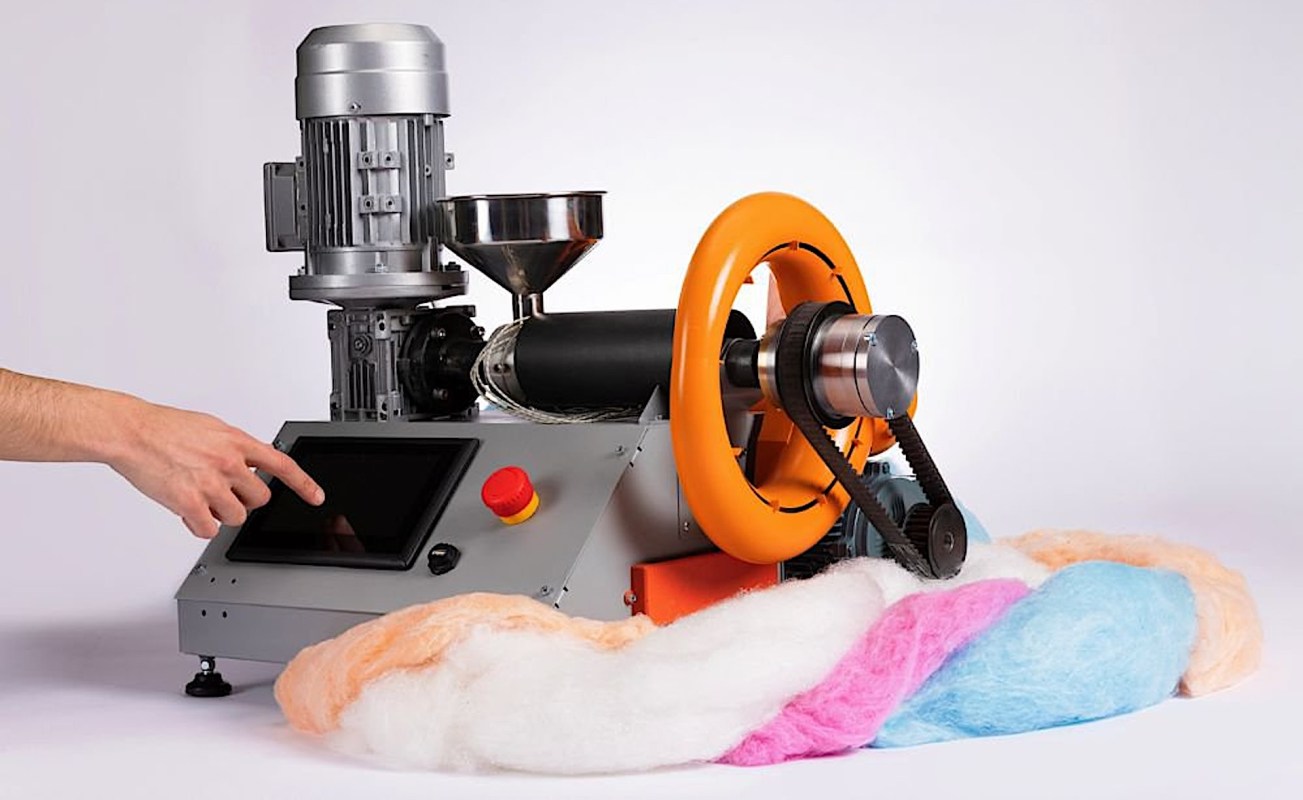
However, as Interplas Insights reported, one Paris-based company has created a compact machine that may provide a convenient and efficient solution to plastic waste.
Founded in 2012, The Polyfloss Factory has developed a technology that is able to transform plastic waste into soft, versatile fibers, which it said is inspired by cotton candy machines.
With the introduction of their mini machines, they offer local recycling facilities in areas where large-scale industrial recycling is not possible, particularly in developing countries and remote locations.
Audrey Gaulard, co-founder and COO of The Polyfloss Factory, emphasized the importance of the company's technology and the impact that it may have on tackling growing concerns about microplastics, which have been linked to a range of human health issues.
TCD Picks » Quince Spotlight
💡These best-sellers from Quince deliver affordable, sustainable luxury for all




"Microplastics is a drama that should be avoided at all costs," Gaulard told Interplas Insights. "The Polyfloss create long fibers, so they are not creating microplastics as such. Unlike short fibres that you can find in recycled pullovers for example, polyfloss is not as nimble as those."
According to The Polyfloss Factory website, these fibers can be used in various applications, including textiles, packaging, insulation, and even construction. Once produced, the fibers are able to be "threaded, woven, knitted, or even felted with felting needles techniques."
Not only does this process give users the ability to use the fibers in many different ways, but it also helps cut down on the increasing amount of plastic pollution.
"We can't rely solely on current waste management systems," Emile De Visscher, co-founder and CEO of The Polyfloss Factory, told Interplas Insights. "We need local, creative circular economies."
As a report from the International Union for Conservation of Nature observed, over 460 million metric tons of plastic is produced around the globe each year. This results in around 20 million metric tons of plastic waste ending up in the environment.
|
What's the biggest obstacle stopping your organization from using solar panels? Click your choice to see results and speak your mind. |
 They're too expensive 💰
Join our free newsletter for weekly updates on the latest innovations improving our lives and shaping our future, and don't miss this cool list of easy ways to help yourself while helping the planet.







