


Findings from a new mouse experiment are prompting fresh questions about polyethylene, the plastic used in everyday items including freezer bags and beverage cups, according to Medical News Today (via AOL).
In mice, polyethylene microplastics altered liver metabolism, suggesting the material could increase the risk of fatty liver disease or exacerbate an existing liver condition.
Here's what to know
The paper, published in the journal Science Advances, challenges the long-standing assumption that polyethylene — produced more than any other plastic — is biologically "inert."
Mice exposed to polyethylene showed indicators of liver trouble, including changes in genes associated with healing and injury-response pathways, MNT reported.
To examine the effects, researchers fed mice either a control diet or a diet designed to trigger metabolic dysfunction-associated steatohepatitis, or MASH, a more severe form of fatty liver disease.
The animals were then given polyethylene orally each day for eight weeks.
TCD Picks » Quince Spotlight
💡These best-sellers from Quince deliver affordable, sustainable luxury for all




Both groups of mice were affected by polyethylene exposure. Study authors observed shifts in peroxisome proliferator-activated receptor alpha, or PPARα, which regulates annexin A2.
Adi Joshi, PhD, a study author, explained the team's motivation for the research to Medical News Today.
"Polyethylene is one of the most widely produced and used plastics, especially in food packaging ... yet its effects remain understudied. Therefore, we chose to investigate how polyethylene may impact metabolism, a key function of the liver," Joshi said.
More background
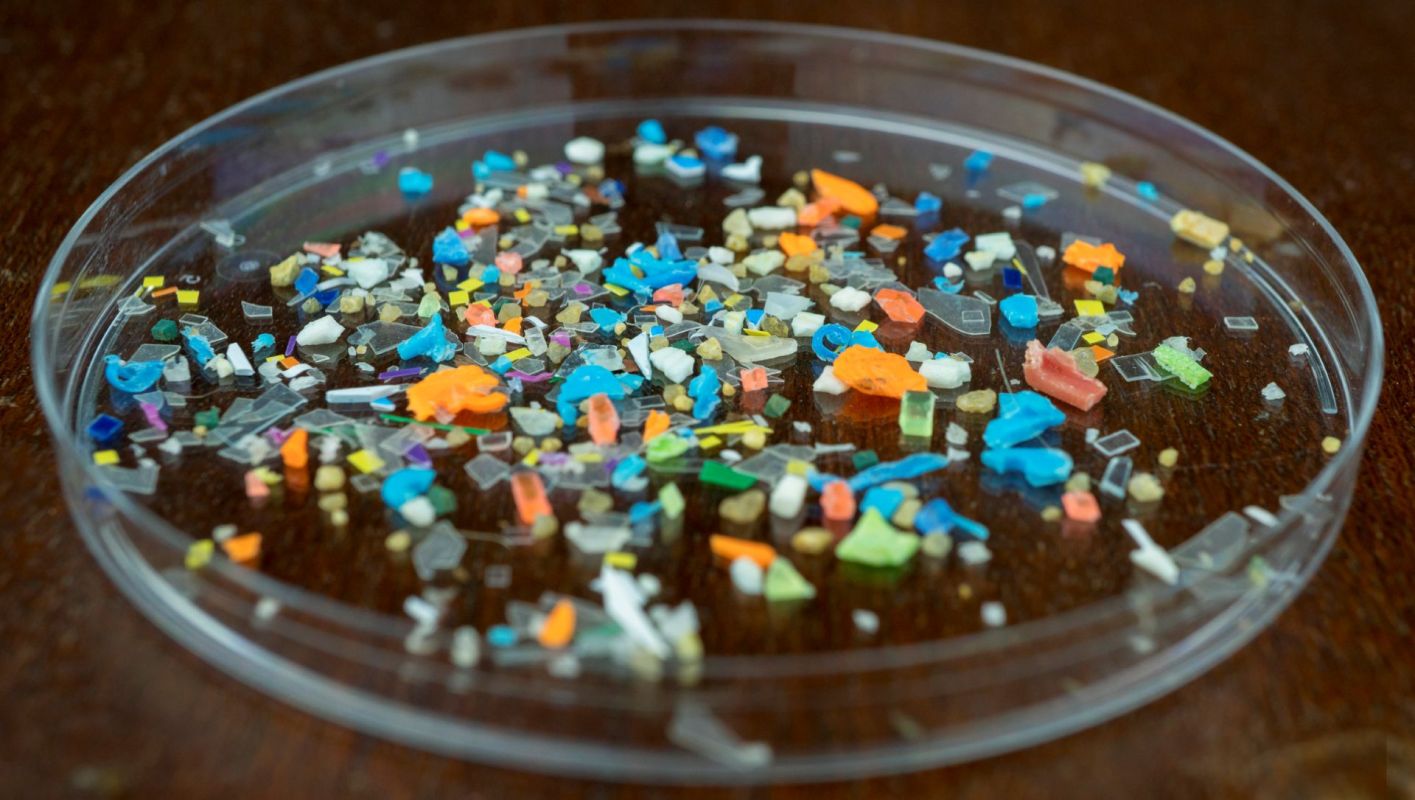
Microplastics are defined as plastic fragments smaller than about 0.2 inches (5 millimeters).
People are exposed to microplastics in a number of ways, including through food and beverage packaging, everyday items shedding in their environment, and inhalation.
Because that kind of exposure can happen regularly, microplastics are a growing public health concern.
Scientists are still trying to pin down how different plastics behave once inside the body.
Used widely in daily life, particularly for packaging and storing food, polyethylene is familiar to most consumers.
Opel Baker, MBChB — a general practitioner at the Mayfield Clinic who was not involved in the study — discussed the research with MNT.
"The findings suggest that polyethylene microplastics may affect liver metabolism and potentially contribute to fatty liver changes in mice, but we cannot assume the same effect occurs in humans," Baker noted.
Early animal studies often serve as warning signs rather than definitive conclusions, helping researchers identify potential risks before doctors or health agencies revise guidance.
The study also found more severe liver injury in mice eating a high-fat, high-fructose, high-cholesterol diet, suggesting that diet and plastic exposure may interact.
What can be done?
Experts acknowledge that avoiding microplastics altogether is not realistic, but there are still practical ways people can reduce their exposure.
Among Baker's recommendations were using glass or stainless steel when possible, avoiding heating food in plastic containers, and reducing reliance on single-use plastics.
Limiting contact with plastic is not a proven cure or a comprehensive prevention strategy, but it is a reasonable precaution to take while scientists continue to learn more.
Researchers are also calling for more studies on how polyethylene affects the body over time, including whether it contributes to later stages of liver disease, such as fibrosis, and which specific molecular pathways may be involved.

Get TCD's free newsletters for easy tips, smart advice, and a chance to earn $5,000 toward home upgrades. To see more stories like this one, change your Google preferences here.






