Plug-in solar panels are drawing more interest in the United States, but disinformation is making some people believe lies about how they function.
What's happening?
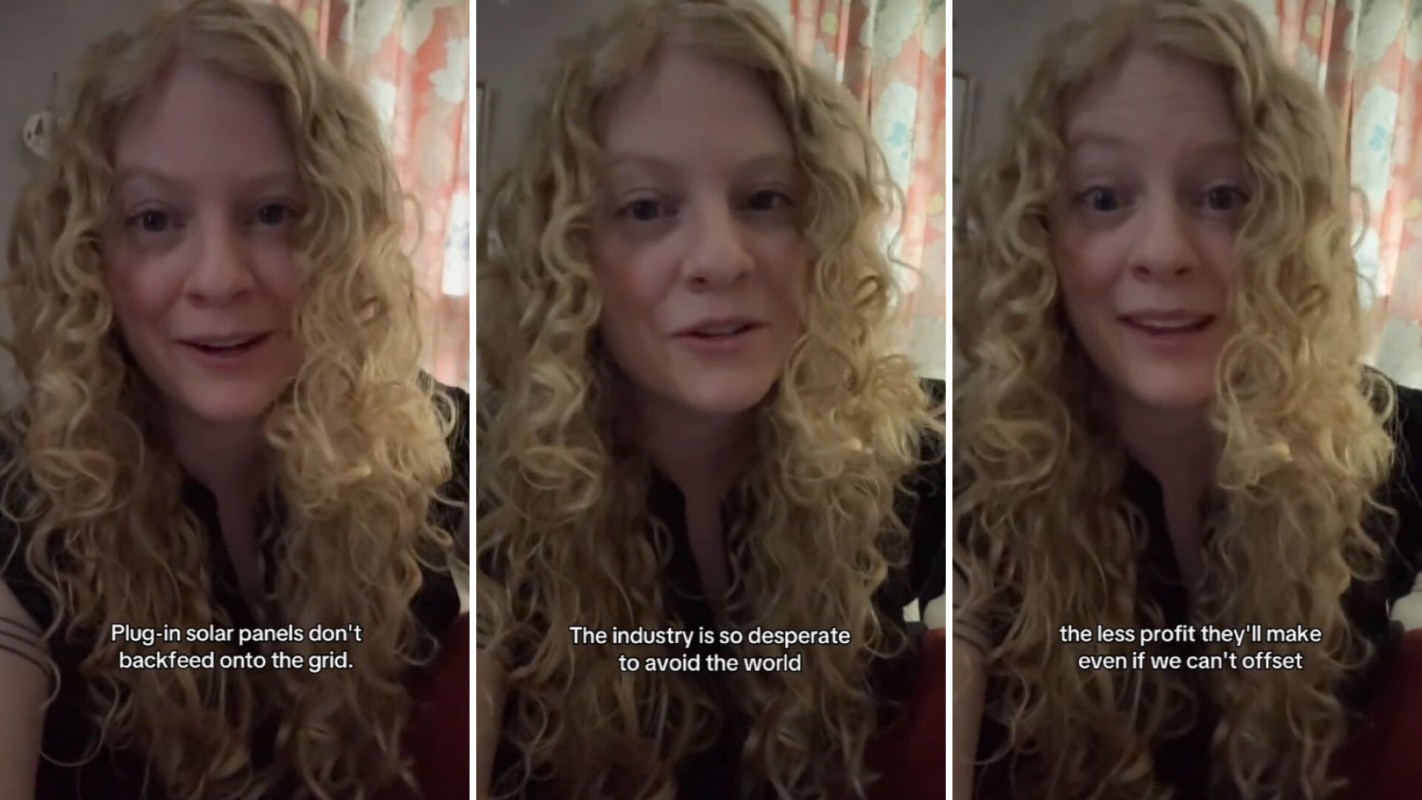
In a recent TikTok, climate educator Alaina Wood (@TheGarbageQueen) assured her audience that plug-in solar panels work efficiently and properly.
@thegarbagequeen Please don't fall for the lies being spread right now about #pluginsolar ♬ original sound - Alaina Wood
"Plug-in solar panels don't backfeed onto the grid," Wood said in the TikTok. "That's the newest fossil fuel disinformation talking point."
Wood said that plug-in solar hurts fossil fuel companies' bottom line. She said that this disinformation prevents people from switching to renewable energy.
"Don't be scared about backfeeding with plug-in solar panels," Wood concluded. "As long as you are buying ones that are compliant with local law, you're gonna be fine."
Another person clarified in the comments: "Plug-in solar panels are designed to prevent islanding. Unless you have a current clamp on your main breaker; they can backfeed if there is no load in your house."
TCD Picks » Good Store Spotlight
Get 10% off your next purchase with code TCD10



Why does it matter?
Plug-in solar could make solar energy more accessible, especially for people who aren't ready to or able to install a full rooftop system. Even a smaller setup can reduce the amount of electricity a household needs to buy from the utility, helping lower monthly energy bills.
Energy costs remain a major pain point for families. Disinformation about plug-in solar could slow the adoption of a technology that helps households save money while also reducing pollution from burning oil, gas, and coal.
Homeowners can pair solar panels with efficient electric appliances to push their utility costs even lower, making it easier to save money across the whole home. And plug-in solar may be coming to states like New York later this year.
What can I do?
Local rules and product certifications determine whether a plug-in solar system is compliant. A qualified electrician or installer can assess how a plug-in setup, battery, or main panel configuration would work in a home.
TCD Picks » Quince Spotlight
💡These best-sellers from Quince deliver affordable, sustainable luxury for all




If you're looking into rooftop solar, be sure to get quotes from multiple installers. EnergySage has great tools that can help you find vetted installers in your area. It can even save you up to $10,000 on installation costs through competitive bids.
If plug-in solar isn't an option in your area, a community solar program might be another route you can try. They don't require rooftop installation, and you can still save money on your monthly energy bills.

Get TCD's free newsletters for easy tips, smart advice, and a chance to earn $5,000 toward home upgrades. To see more stories like this one, change your Google preferences here.