
The future of clean hydrogen fuel is one step closer, thanks to a group of Korean scientists.
Tech Xplore reported that a team of researchers from the Institute for Basic Science Center for Nanoparticle Research, led by professors Hyeon Taeghwan and Kim Dae-Hyeong, recently published a study in Nature Nanotechnology about the photocatalytic system they developed that creates hydrogen from PET bottles.
Photocatalysis, in simple terms, is the process of utilizing light as a catalyst to increase the rates of photoreactions. In the case of this particular photocatalytic system, researchers wrapped the photocatalyst in a hydrogel polymer. This resulted in the photocatalyst being able to not only float in water and harness sunlight but also remain active even when faced with harsh environmental conditions.
How does this help us achieve clean hydrogen energy? While people have touted hydrogen as a clean energy source for some time, the most common method of creating it (via methane steam reforming) relies on the consumption of massive amounts of energy. This method also produces quite a bit of heat-trapping gases.
However, because photocatalytic hydrogen production depends on sunlight, the process of creating hydrogen becomes cleaner. This method also has its own challenges, however, such as maintaining stability under chemical stress or intense light. By wrapping the photocatalyst in the hydrogel polymer, the Korean research team avoided these issues.
Additionally, this method of hydrogen production breaks down PET plastics into valuable byproducts, which is an excellent bonus for both the environment and humans.
Perk up the winter blues with natural, hemp-derived gummies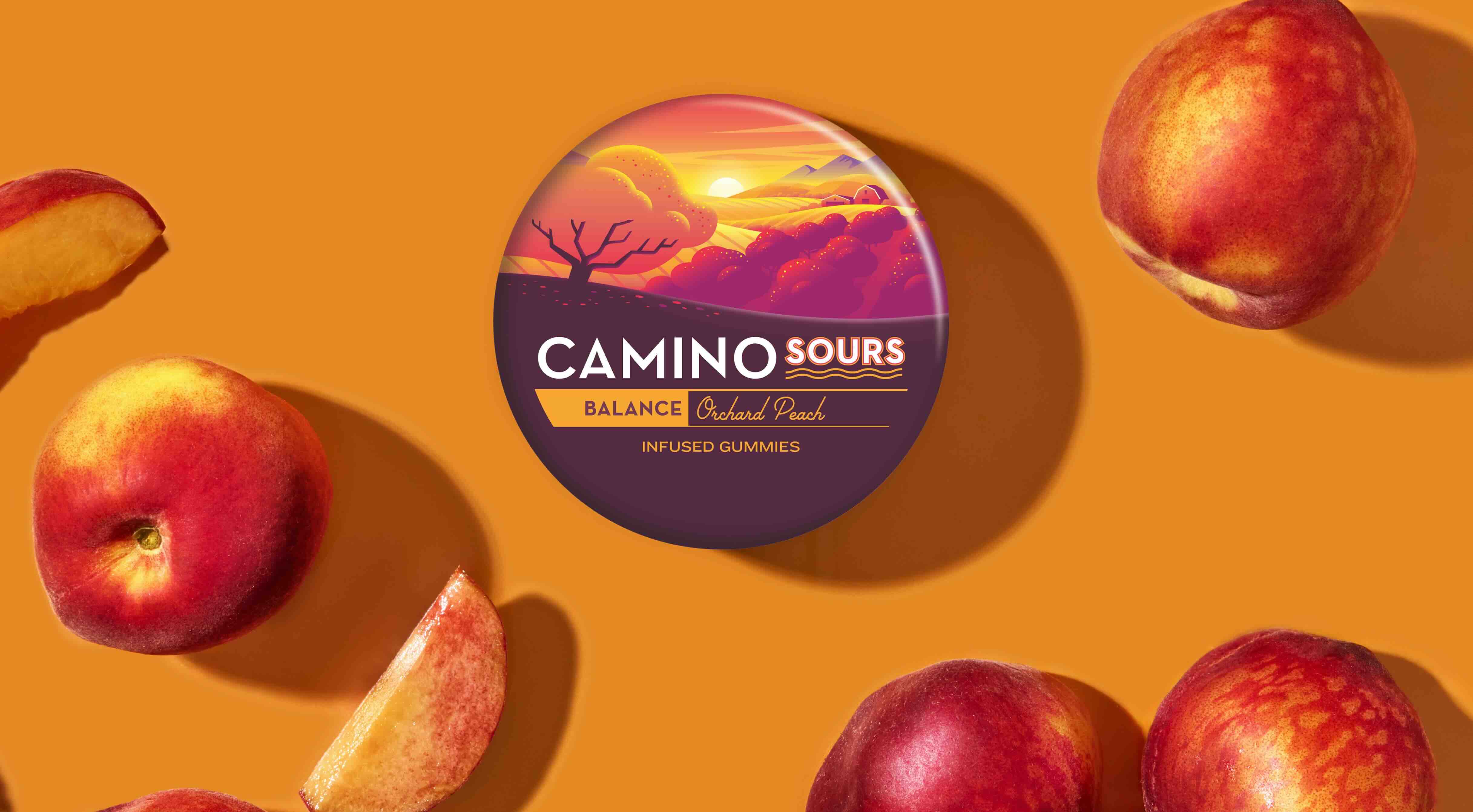 Camino's hemp-derived gummies naturally support balance and recovery without disrupting your routine, so you can enjoy reliable, consistent dosing without guesswork or habit-forming ingredients. Flavors like sparkling pear for social events and tropical-burst for recovery deliver a sophisticated, elevated taste experience — and orchard peach for balance offers everyday support for managing stress while staying clear-headed and elevated.
Learn more → |

Plastic waste has led to the presence of microplastics in soil, water, the air, and our bodies. By breaking down PET plastics into hydrogen energy, plastic waste and its byproducts, such as microplastics, can be significantly reduced, leading to healthier communities.
The research team kept their photocatalytic system stable over a two-month period, even in intense conditions, and found that the system works in a variety of waters, including tap water and seawater.
Though researchers ran the test with a one-square-meter device, scale-up simulations showed that the system could be expanded to 10 or 100 square meters. If the simulations prove accurate, this system would be an extremely cost-effective way to produce carbon-free hydrogen.
Production of carbon-free hydrogen used as energy could significantly reduce carbon pollution, making the air cleaner and communities healthier.
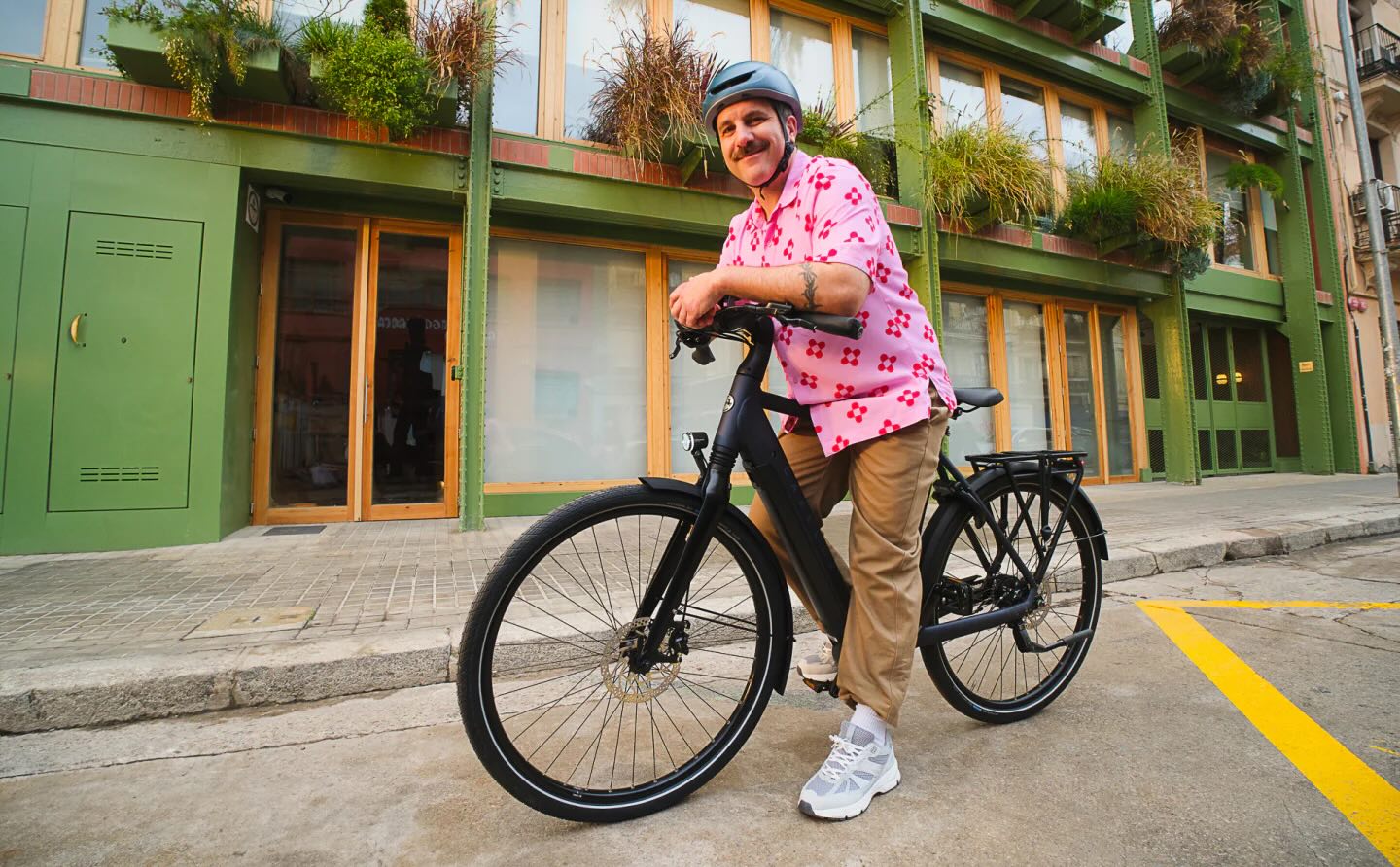
TCD Picks » Upway Spotlight
💡Upway makes it easy to find discounts of up to 60% on premium e-bike brands



Professor Kim Dae-Hyeong told Tech Xplore, "This research opens a new path where plastic waste becomes a valuable energy source. It's a meaningful step that tackles both environmental pollution and clean energy demand."
|
Should the government be able to control how we heat our homes? Click your choice to see results and speak your mind. |
 Definitely 👍
Join our free newsletter for weekly updates on the latest innovations improving our lives and shaping our future, and don't miss this cool list of easy ways to help yourself while helping the planet.
Cool Picks