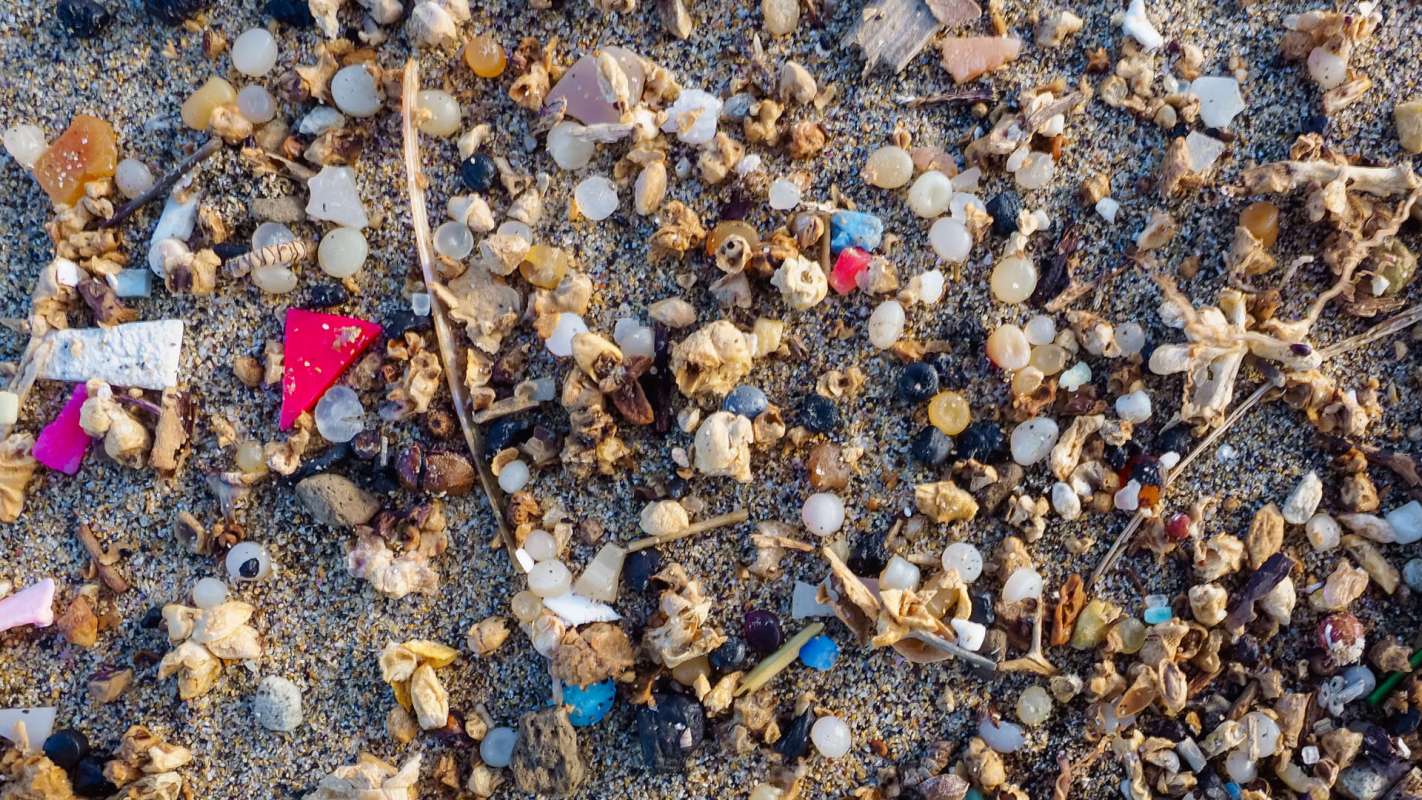
A plastic pellet spill near England's Port of Tyne proved harder to contain than first thought, with more than 1 billion of the tiny beads estimated to have spread across a stretch of coastline.
Reports from Amble, around 30 miles from the port, sharpened concerns about beaches, wildlife, and the people involved in the cleanup.
Here's what to know
After a July 19 collision near the Port of Tyne, nurdles — the small pellets used to make plastic goods — washed onto Northumberland beaches. According to ChronicleLive, they also spread into the River Tyne and along the northeast coast.
Nurdles are the basic building blocks used to manufacture many plastic products, but when they spill, they can spread quickly, disappear into the environment, and be nearly impossible to remove completely. Because they're so small and often resemble fish eggs or other food sources, animals can easily mistake them for sustenance.
Residents have reported pellets on beaches near Amble, North East Mayor Kim McGuinness said, describing the discovery as "further up the coast than we have seen before," per ChronicleLive.
"The numbers are thankfully small, but this shows why we cannot let up on the fight to protect our precious coastline," she added.
TCD Picks » Quince Spotlight
💡These best-sellers from Quince deliver affordable, sustainable luxury for all




The spill has remained contentious since the July 19 crash. As ChronicleLive noted, the Tyne Rivers Trust says it could take years to determine the full scale of the damage.
More background
Plastic pellet spills can cause problems long after the initial event because tides, wind, and storms continue moving the materials around. Even when a beach appears clean, pellets can be buried in the sand or lodged in hard-to-reach areas before washing back out.
That has implications not only for coastal ecosystems but also for the people who rely on beaches every day. Families, swimmers, walkers, and communities may face repeated cleanup efforts, while businesses tied to tourism can suffer when shorelines are contaminated.
Since nurdles do not break down quickly, they can stay in the environment and cause harm over time.
"I know many people are worried that as summer turns to autumn storms will wash up new nurdles unexpectedly or uncover deposits buried in the sand," McGuinness said, per ChronicleLive.
What's being done?
Response work follows when pellets are reported, with volunteers, councils, and other officials continuing cleanup efforts. In Amble, the Northumberland County Council has put special collection bins on beaches for volunteers who gather the pellets.
McGuinness said her team had confirmed with the Environment Agency that officers would go to the Amble area "to advise local people," giving residents support as they respond to the spill.
"I was glad to see the shipping company insurers pay up to increase the number of workers it has out there responding quickly when this happens — it's a local workforce they employ now and I want to see them stay in place," she said, according to ChronicleLive.
McGuinness said she had requested an independent, expert-led review of how the region handled the disaster.
"We also need to make sure we learn from this disaster, for the North East and the world," McGuinness said. "... Finally, I want to once again say thank you to everyone who loves our beaches and coastline and who has been out there helping."

Get TCD's free newsletters for easy tips, smart advice, and a chance to earn $5,000 toward home upgrades. To see more stories like this one, change your Google preferences here.