


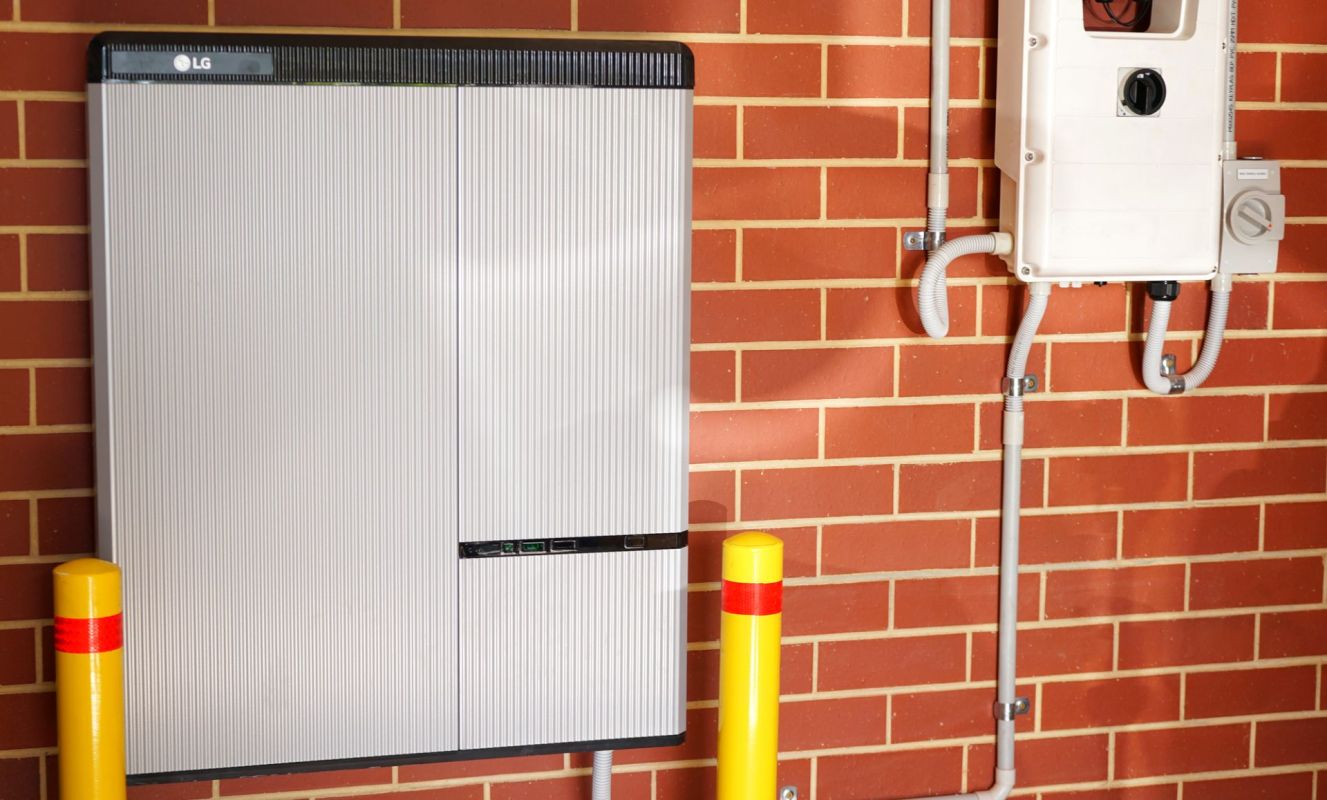
Blackouts are the worst, whether it's because you lose the food in your fridge, can't use the heat or AC, or are just bored with nothing to do. Unfortunately, it's hard to avoid them sometimes. According to the Wall Street Journal, blackouts in California increased by 145% in 2025 compared to 2024.
One California apartment renter, Nicole Nguyen, decided to do something about it: install backup batteries. Recently, her San Francisco neighborhood was hit with a multiday power outage. While her family weathered the outage fine, she said, "I know we need to be more prepared for next time."
Fourteen percent of Americans own a generator, but those are noisy and smelly and produce toxic fumes. A battery, on the other hand, can be brought into the house. You plug it in to charge it up, and then use it when it's needed.
The Pila battery is an excellent option, all from the former engineer who worked on Tesla's Powerwall and SPAN's Smart Electrical Panel, Cole Ashman.
These batteries are different because they are small, like an Apple laptop, not bulky like most on the market.
Set up is easy: Plug it into the wall, and plug the appliance you want to back up into it. It's designed to charge when electricity is the cheapest and store it for later.
It can extend the life of your must-have things while the power is out, such as the AC for six hours, charge your phone up to 113 times, keep the fridge going for 32 hours, and keep you connected to your WiFi for 132 hours. You won't have to stress about losing power anymore.
A Pila battery can also help you save money because it saves all the groceries in your fridge, which could cost up to $100. If you're in an area prone to blackouts, the battery can pay for itself in one or two blackouts.
Save $10,000 on solar panels without even sharing your phone number Want to go solar but not sure who to trust? EnergySage has your back with free and transparent quotes from fully vetted providers in your area. To get started, just answer a few questions about your home — no phone number required. Within a day or two, EnergySage will email you the best options for your needs, and their expert advisers can help you compare quotes and pick a winner. Solar panels can save you more than $50k over their 25-year lifespan, and EnergySage can help you save as much as $10k on installation. Which begs the question — isn't that worth an email or two? |

These batteries are also ideal for renters. When you own a home, you have the flexibility of making upgrades, but when you rent, you either can't or you don't want to make an investment in a place you don't plan to stay in forever.
Additionally, because they are portable, you can take them with you when you move.
You may not be able to avoid extreme weather events that knock out the power, but you can reduce some of the hassle and money lost because of them.
|
What's the most you'd pay per month to put solar panels on your roof if there was no down payment?
Click your choice to see results and speak your mind. |
 $200 or more 💰
Get TCD's free newsletters for easy tips to save more, waste less, and make smarter choices — and earn up to $5,000 toward clean upgrades in TCD's exclusive Rewards Club.
Cool Picks


