


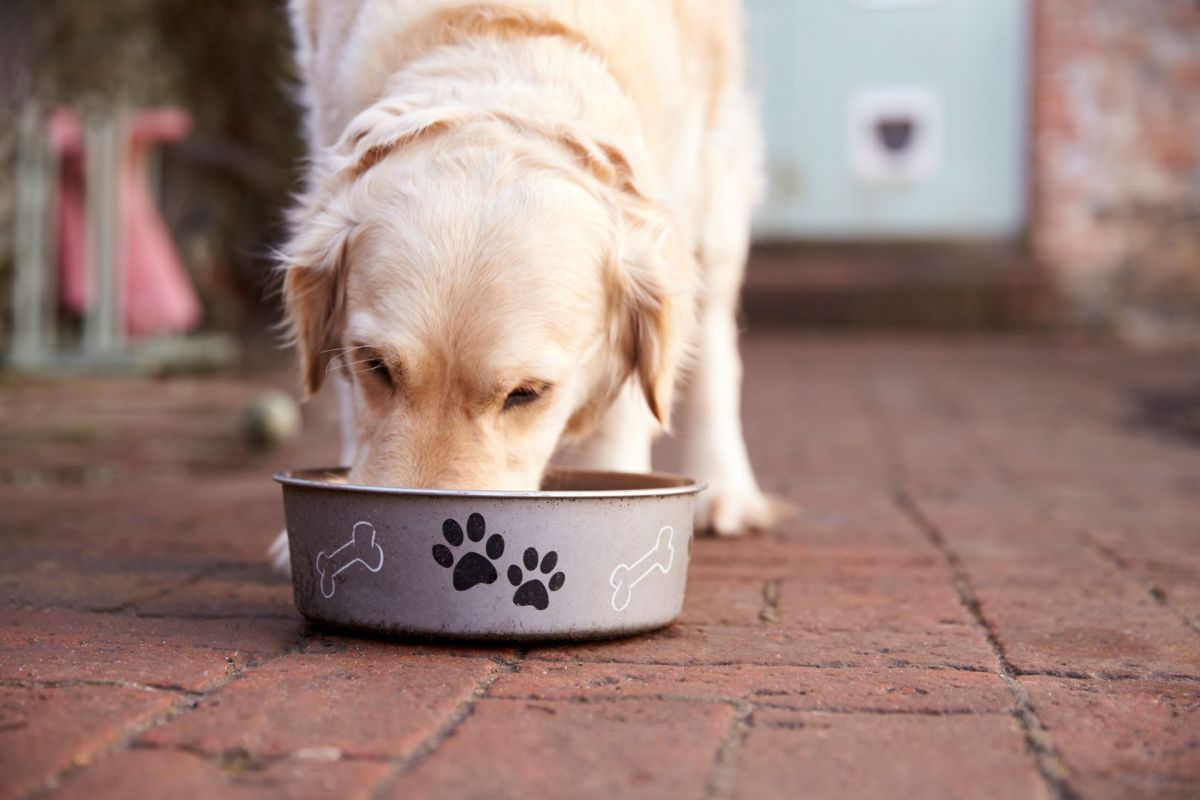
A new study is raising troubling questions about what may be ending up in the bowls of cats, dogs, and even hedgehogs.
Testing of pet foods sold in Britain found microplastics in most of the brands examined, pointing to a largely hidden way animals may be taking in plastic and then releasing it back into the environment.
What happened?
Working with support from the British Hedgehog Preservation Society, researchers at the universities of Sussex and Exeter examined 38 pet food products sold in the U.K. for dogs, cats, and hedgehogs, according to a University of Sussex report.
In their study, published in Environmental Toxicology and Chemistry, the team reported microplastics in 84% of the brands they tested.
Lead researcher and Ph.D. student Emily Thrift said, "We found microplastics in 16 out of the 19 brands we tested, including very well-known ones."
Another trend in the results was price: lower-cost "value range" foods had more microplastics than higher-priced products.
TCD Picks » Quince Spotlight
💡These best-sellers from Quince deliver affordable, sustainable luxury for all




The researchers found higher concentrations of microplastics in dry food but said wet food may lead to a larger total daily intake because animals need to eat more of it to meet their energy requirements. Their estimates suggest that a large dog could consume 162 to 2314 microplastic particles per day, while hedgehogs eating these foods could ingest six to 105 particles per day.
Why does it matter?
The concern is not just that pets may be swallowing plastic in their food, but that those particles are unlikely to remain in the animal indefinitely.
The researchers said the microplastics would likely be released in waste, creating a potential, often overlooked pathway for plastic contamination to reach soil.
There are also potential animal health concerns, although the study did not directly examine health outcomes.
Fay Vass, Chief Executive for the British Hedgehog Preservation Society, said, "It's of great concern that this study has shown hedgehogs in Britain appear to be consuming high levels of plastic – although we are not yet sure of the impacts of this on hedgehog health, we do know that toxins can accumulate on microplastic particles."
The study adds to a growing body of research showing that microplastics are turning up in more parts of the food chain and becoming increasingly difficult to avoid.
What can I do?
The study does not yet identify one clear source of contamination.
Researchers said more work is needed to determine whether the microplastics are coming from ingredients, packaging, or food processing methods.
If you are considering changing your pet's food, it may be worth speaking with your veterinarian, especially since the study found differences across product types and price ranges. That does not guarantee that a more expensive food is plastic-free, but it does suggest that formulation and manufacturing may play a role.
"Microplastics are not just a marine problem," said Fiona Mathews, a professor of environmental biology at the University of Sussex, per the university's report.
Tamara Galloway, an ecotoxicology professor at Exeter, added, "Our results are a reminder that our pets are exposed to the same chemical pollutants as ourselves. Cleaning up the food chain is a crucial target for the future."

Get TCD's free newsletters for easy tips, smart advice, and a chance to earn $5,000 toward home upgrades. To see more stories like this one, change your Google preferences here.






