


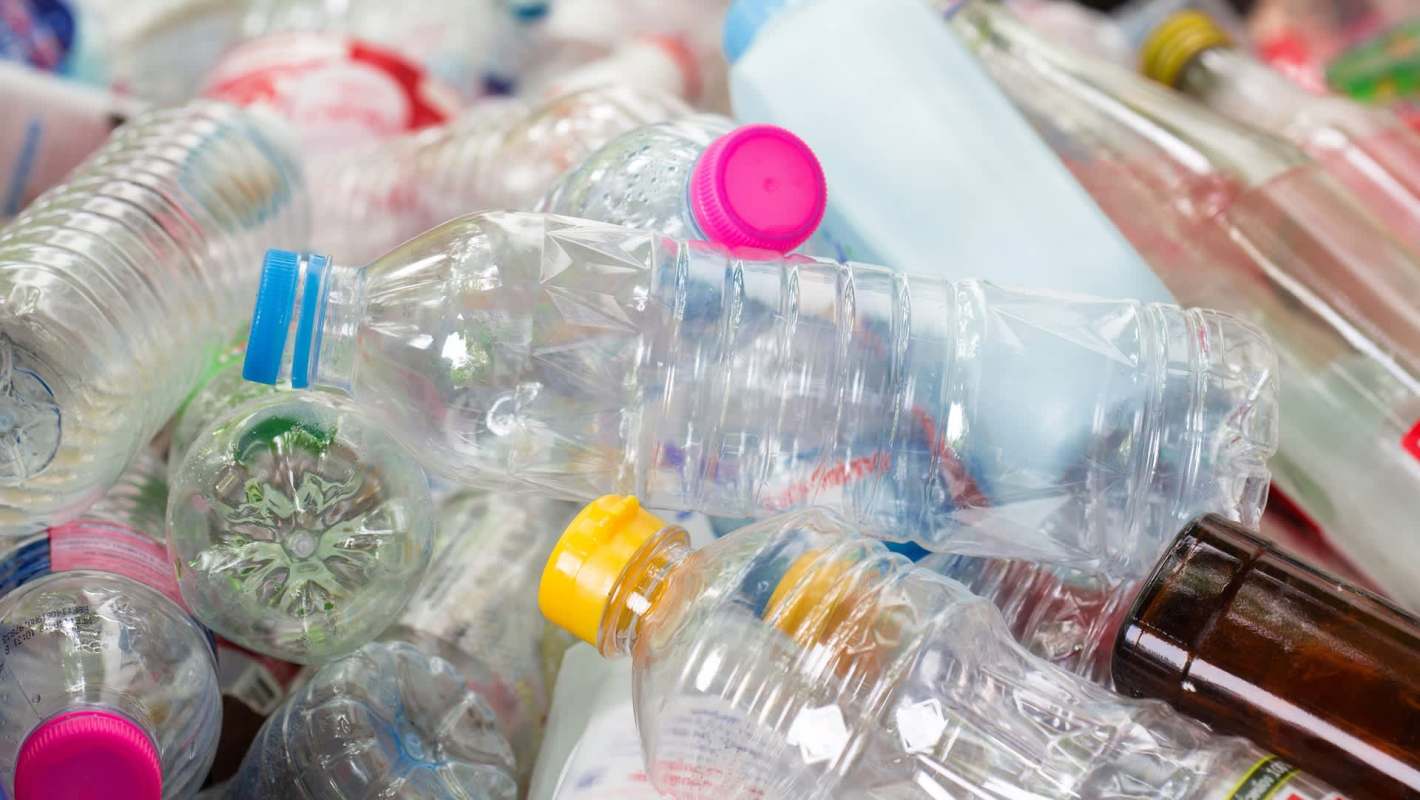
Each year, billions of single-use plastic bottles pile up in landfills or drift into the ocean. But a new breakthrough could help give them a second life — one that powers your phone, car, or even home.
Researchers have developed a method to transform discarded water bottles into high-performance energy storage devices called supercapacitors. They use a common type of plastic called polyethylene terephthalate, which is better known as PET.
Recently published in Energy & Fuels and highlighted by the American Chemical Society, this discovery marks a major leap in sustainable tech innovation. It could curb plastic pollution while driving the next generation of greener electronics.
The study's lead author, Dr. Yun Hang Hu, explained that the problem is massive. More than 500 billion single-use PET bottles are produced every year. Most end up as waste, contributing to one of the planet's most pressing environmental challenges.
But rather than letting this plastic pile up, Hu's team discovered a way to upcycle it — turning trash into high-value materials that could make renewable energy systems cheaper and more efficient.
Supercapacitors are essential for technologies that demand rapid bursts of power — think electric vehicles, solar energy systems, and consumer electronics. Hu's team worked on converting old PET bottles into the electrodes and separators needed for these devices.
Here's how it works: the researchers first heated shredded plastic bottles with calcium hydroxide at nearly 1,300 degrees Fahrenheit in a vacuum. This process transformed the plastic into a porous, electrically conductive carbon powder, which they used to form the supercapacitor's electrodes. Then, they fashioned thin, perforated separator films from melted PET — allowing electricity to flow efficiently while maintaining safety and durability.
When tested, the upcycled "all-plastic" supercapacitor outperformed traditional designs made with glass fiber. After repeated use, it retained 79% of its energy capacity. It's also fully recyclable and cheaper to produce.
Hu and their colleagues said the research is "opening new opportunities for circular energy storage technologies," as reported by the ACS.
Beyond reducing landfill waste, this kind of innovation makes daily life easier — paving the way for cleaner, more affordable energy storage. The team estimates that with further refinement, PET-based supercapacitors could reach commercial markets within five to 10 years.
TCD Picks » Quince Spotlight
💡These best-sellers from Quince deliver affordable, sustainable luxury for all




As scientists continue to find new ways to reuse common plastics, the message is clear: sustainability doesn't have to mean sacrifice. You can also take simple steps to cut down on plastic waste today by exploring plastic-free alternatives.
|
Would you trust a home made of recycled plastic? Click your choice to see results and speak your mind. |
 Absolutely 💯
Join our free newsletter for weekly updates on the latest innovations improving our lives and shaping our future, and don't miss this cool list of easy ways to help yourself while helping the planet.
Cool Picks





