


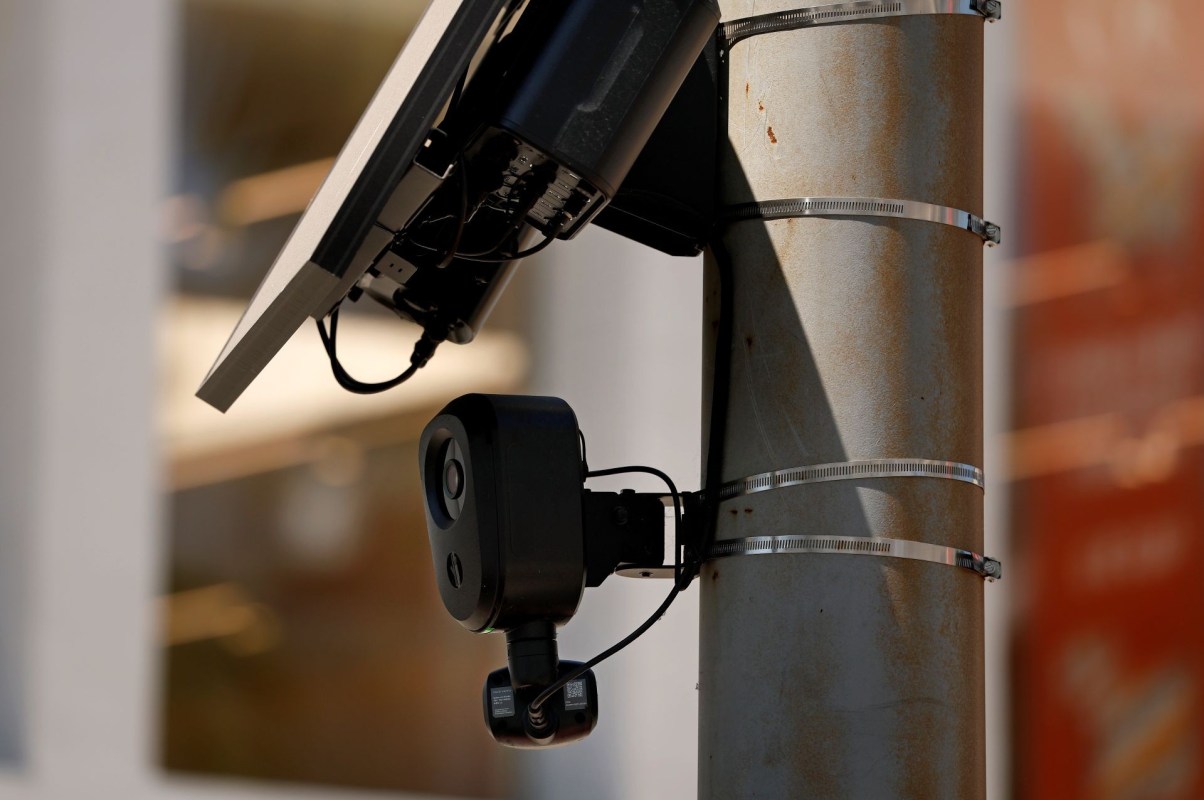
Despite public criticism of Oxford, Ohio's use of AI-assisted license plate readers, the city's commission declined to end its contract with the vendor, Flock.
Instead, members of the commission chose to keep the cameras in place while pushing for stronger oversight.
What's happening?
A crowd of more than 30 residents came to the Oxford courthouse to debate and protest the city's use of AI-assisted Flock Safety cameras, according to WVXU. The meeting followed June 16 requests from members of the public asking the city council to terminate the contract.
Following a three-hour meeting and public feedback, the Oxford Police Community Relations Review Commission decided to send proposed reforms to the city council instead of recommending that the agreement be canceled, as WVXU reported.
Oxford had finalized the contract in February 2024, though Police Chief John Jones noted that Oxford officers had access to Flock's broader data network starting in 2022, according to the outlet.
Jones described the city's 14 automated license plate readers as a relatively inexpensive way to generate investigative leads, saying the system costs $48,000 a year compared with more than $100,000 for a police officer salary. He also said, per WVXU, that "The camera provides a lead, though it doesn't provide probable cause. It doesn't provide evidence of guilt. There's still a lot of human interaction that has to happen before an office can even make a traffic stop on the vehicle."
TCD Picks » Quince Spotlight
💡These best-sellers from Quince deliver affordable, sustainable luxury for all




That case for the cameras did not persuade all residents. Resident David James warned WVXU, "They're in the business of making money, and they will do just about anything that they feel that they need to do to make money with this data."
The city council is expected to take up the issue again on August 18.
Why does it matter?
Jones explained that 2,215 police departments can currently access the city's camera data. In practice, that means information collected on Oxford streets may travel far beyond the local officials that residents elected or the officers that they know.
Jones also told the commission that the department has never tracked how many cases were actually solved with help from the cameras. Without that information, residents have little hard evidence to weigh against their concerns about privacy and data sharing.

Get TCD's free newsletters for easy tips, smart advice, and a chance to earn $5,000 toward home upgrades. To see more stories like this one, change your Google preferences here.






