


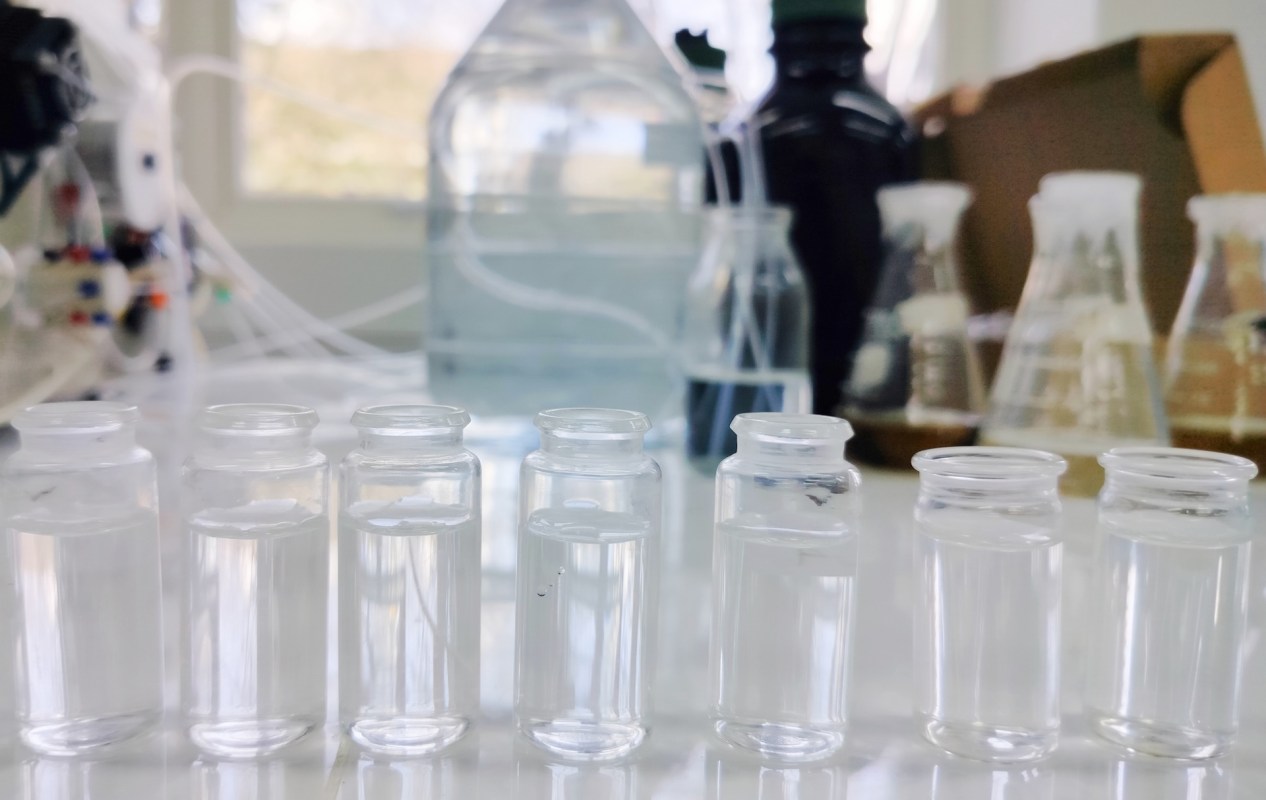
When Omar Yaghi picked up the phone at Frankfurt Airport to learn he had just won the 2025 Nobel Prize in Chemistry, he called the feeling "indescribable."
The recognition honors Yaghi — a Palestinian-American scientist at UC Berkeley — along with Susumu Kitagawa of Kyoto University and Richard Robson of the University of Melbourne for developing a breakthrough material that can pull clean water from the air.
The invention, known as metal-organic frameworks, represents a major leap forward in sustainable technology.
According to TRTWorld, porous, sponge-like structures are designed at the molecular level to capture and store gases, remove pollutants, and, most strikingly, extract water vapor from dry desert air.
The Nobel committee described MOFs as "molecular sponges" capable of holding immense volumes of material in tiny spaces.
For Yaghi, the discovery is deeply personal. Born to Palestinian refugee parents outside Amman, Jordan, he grew up in a home that often went days without running water. Those early experiences with scarcity inspired a lifelong mission to make clean water accessible to all — no matter where they live.
The potential of Yaghi's work is enormous. More than 4 billion people worldwide face severe water scarcity for at least one month each year, according to UNICEF.
By drawing moisture directly from the atmosphere, MOF-based water harvesters could provide a decentralized source of clean drinking water in regions where traditional wells and pipelines can't reach.
Beyond humanitarian relief, the environmental implications are transformative. Extracting water from air using solar energy could reduce dependence on groundwater and desalination, which are energy-intensive and often harmful to ecosystems. It could also stabilize weather patterns in drought-prone areas and support biodiversity by rejuvenating dry landscapes.
At a time when excessive water use and pollution threaten both people and the planet, Yaghi's invention represents a hopeful turn — one that aligns with broader efforts to conserve and responsibly manage Earth's most vital resource.
TCD Picks » Quince Spotlight
💡These best-sellers from Quince deliver affordable, sustainable luxury for all




|
Would you install water-collecting hydropanels on your home?
Click your choice to see results and speak your mind. |
 Definitely 👍
 From a small refugee home in Jordan to one of the world's highest scientific honors, Yaghi's journey underscores how innovation and empathy can go hand in hand. His work shows that scientific progress doesn't just advance knowledge, it can also rebuild futures.
As Yaghi told the Nobel Committee shortly after his win, "Science is a great equalizing force in the world."
With his water-from-air invention, he's proving just how true that can be — transforming scarcity into abundance, one molecule at a time.

Join our free newsletter for weekly updates on the latest innovations improving our lives and shaping our future, and don't miss this cool list of easy ways to help yourself while helping the planet.
Cool Picks





