


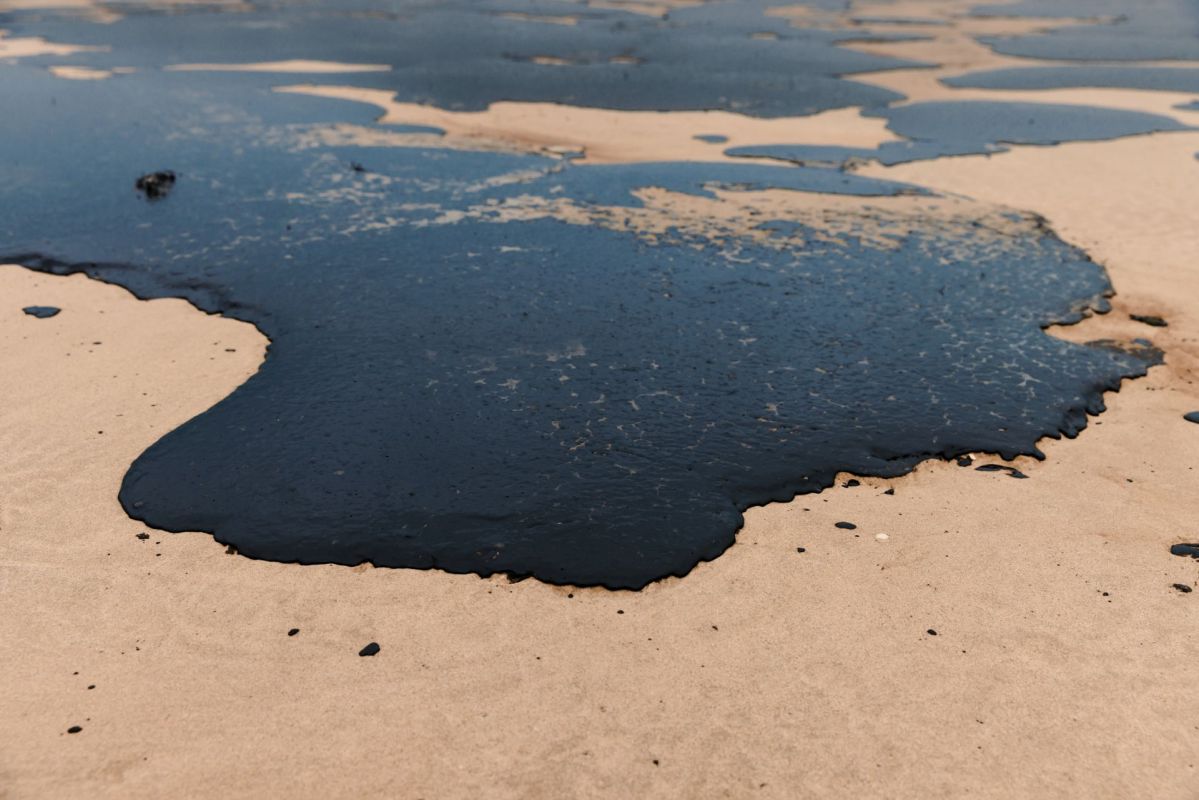
A grounded tanker off Oman that is sanctioned by the United Kingdom is leaking oil that has spread from surrounding waters onto nearby shorelines, putting a protected marine habitat at risk and prompting renewed concern about the vessels used to transport Russian crude.
What happened?
In coverage highlighted by Newser, the Associated Press said experts and satellite images it reviewed indicate that the spill around the grounded tanker Caroline Bezengi has expanded substantially since the vessel ran aground off Oman in June.
According to Greenpeace Germany, satellite monitoring puts the slick at roughly 58 square miles near Qibliyah Island in Dhofar, Oman's largest governorate, up from an earlier estimate of about 8 square miles.
Nina Noelle of Greenpeace Germany said, "it is a drastic increase," adding that a large amount of crude oil is clearly leaking. The group said the "dramatic expansion" of the spill "underscores the serious and continuing environmental threat posed by the stranded tanker—and exemplifies the dangers associated with the practices of Russia's shadow fleet."
The 899-foot Suezmax tanker is on the U.K.'s sanctions list over cargoes of Russian-origin oil. The Cameroon-flagged ship is also under sanctions from the European Union, Canada, and Switzerland.
Two shipping and maritime news outlets reported that the crew said there had been an onboard explosion.
TCD Picks » Quince Spotlight
💡These best-sellers from Quince deliver affordable, sustainable luxury for all




Wim Zwijnenburg, an environmental expert for PAX, said the sheen stretches about 56 miles, and that heavier black oil has coated the island's west and south shores. He estimated the vessel's cargo at more than 800,000 barrels.
Why does it matter?
The slick is affecting part of the Arabian Sea reserve, a protected marine zone that is home to threatened petrels and a rare humpback whale population.
Even when an oil sheen appears thin, it can still disrupt fragile ecosystems, foul shorelines, and threaten birds and marine mammals. Once oil reaches land, the environmental damage can become even harder to contain.
The danger also reflects a broader problem tied to fossil fuels. The harm extends well beyond highly visible disasters such as spills at sea. Coal and natural gas power plants contribute to air and water pollution linked to asthma, heart disease, cancer, and premature death, while also keeping energy costs high for households that remain dependent on these fuels instead of cheaper, more abundant sources such as sunlight and wind.
Industry lobbying can also slow the shift to cleaner energy solutions that would better protect families and lower utility bills. Incidents like this show how the fossil fuel system can create risks at every stage, from extraction and transport to the burning of fuels in power plants.
What's being done?
Much of the visible response appears to be coming from watchdog groups and analysts using satellite data to track the spill's growth. Newser noted that Greenpeace Germany, PAX, and environmental nonprofit SkyTruth have all helped document what is happening around the vessel.
John Amos, CEO of SkyTruth, said the ship's blurred outline could mean it is settling lower in the water as strong waves and winds drive it into the rocky coast. He also said he had not seen nearby vessel traffic suggesting any active response to the spill.
Amos summed up the stakes bluntly: "Here we have a potential environmental disaster that nobody seems to care about in the middle of a so-called marine protected area." He added, "Somebody has a financial interest in this. And where are they?"

Get TCD's free newsletters for easy tips, smart advice, and a chance to earn $5,000 toward home upgrades. To see more stories like this one, change your Google preferences here.






