


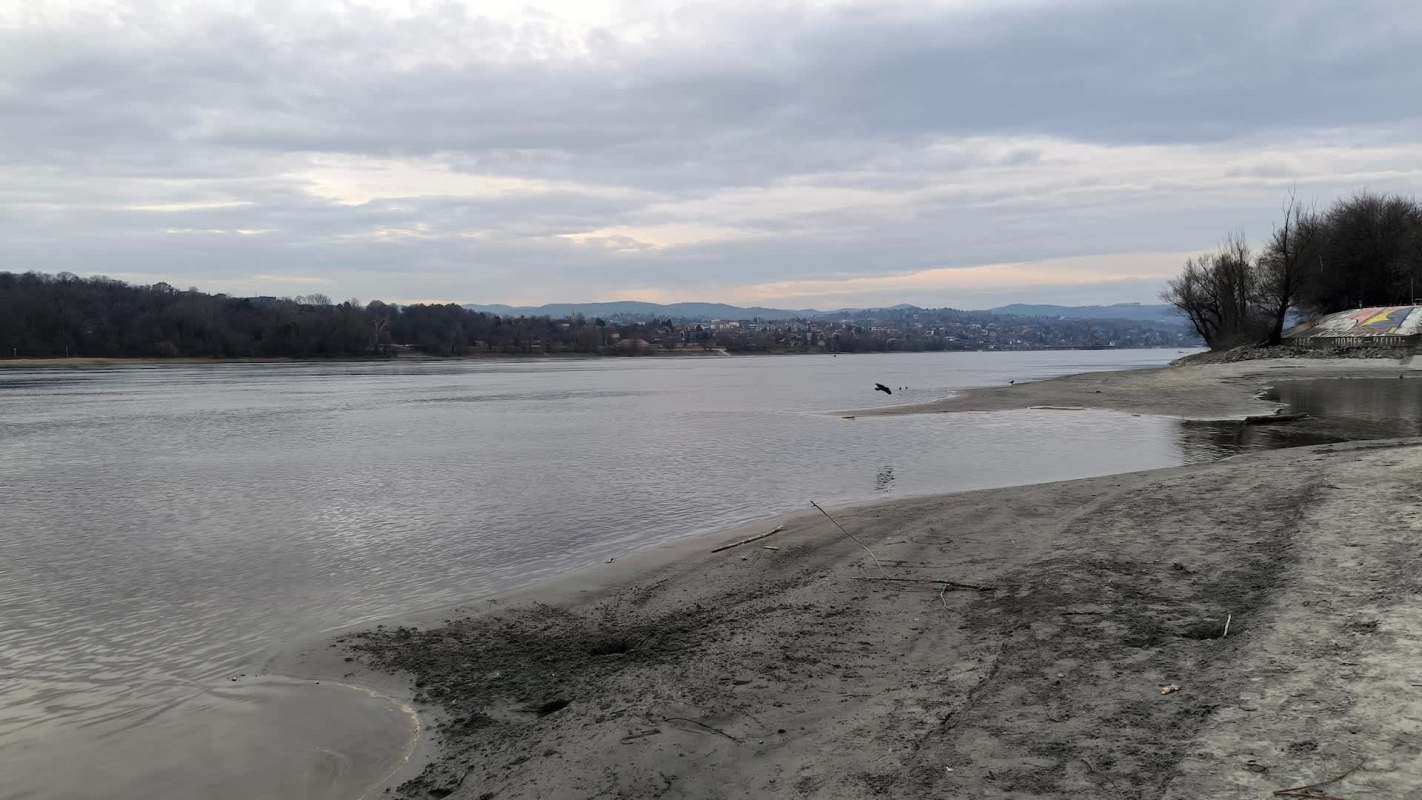
Europe's record-breaking heat and drought are straining the continent's power system in an unexpected way, as even low-pollution nuclear plants depend on vast water supplies.
With rivers across the continent dropping to unusually low levels, some reactors are being forced to cut output and may face shutdowns if conditions worsen, Futurism reported.
Here's what to know
Because it produces large amounts of electricity without the air pollution generated by coal and gas, nuclear energy is widely viewed as a useful climate tool.
Europe's heat extremes, however, have underscored a major limitation: reactors become harder to operate when reliable water supplies disappear.
Deutsche Welle reported that Hungary's 2-gigawatt Paks nuclear plant was pushed to a near-complete power-down as the Danube fell too low to comfortably support reactor cooling.
For Hungary, that risk is especially significant because Paks normally supplies nearly half of the nation's electricity in a given year. If the disruption were to persist, its effects could spread across the broader grid and affect households, companies, and manufacturers.
TCD Picks » Quince Spotlight
💡These best-sellers from Quince deliver affordable, sustainable luxury for all




The problem is not limited to one country.
In Romania, the national nuclear operator may have to idle its only reactor, while France's nuclear generation has fallen by 20% due to a mix of drought and recurring jellyfish invasions.
More background
Nuclear energy occupies a complicated place in the modern power mix.
It can provide steady, low-carbon electricity and bolster energy resiliency when wind and solar output varies, but it also carries longstanding concerns about radioactive waste, safety risks, high construction costs, and links to weapons proliferation.
Europe's drought adds another layer to that debate.
Many conventional nuclear plants depend on large quantities of water for cooling, so when rivers run too hot, too low, or too slowly, operators may have to scale back generation to protect equipment and avoid harming surrounding ecosystems.
Lower nuclear output can tighten electricity supplies and drive up costs just as heat waves increase demand for air conditioning and cooling.
Infrastructure designed to reduce pollution can still be undermined by the very warming trends it is meant to address.
What's being done?
To keep Paks operating, Hungarian authorities launched an emergency river-engineering effort.
The government sent crews to add about 190,000 cubic yards (145,000 cubic meters) of rocks to the Danube riverbed so the current would slow and more water could remain available upstream for cooling.
Romania has taken similarly dramatic steps.
The country's navy detonated about 397 pounds (180 kilograms) of explosives intended to redirect Danube water toward nuclear cooling systems.
This crisis may strengthen the case for more resilient and diversified grids that do not rely too heavily on any one technology or water source.
Europe's reactor slowdowns do not erase nuclear power's climate benefits, but they show that in a hotter world, even major low-carbon energy sources must be built and managed to withstand drought, heat, and cascading water shortages.

Get TCD's free newsletters for easy tips, smart advice, and a chance to earn $5,000 toward home upgrades. To see more stories like this one, change your Google preferences here.







