


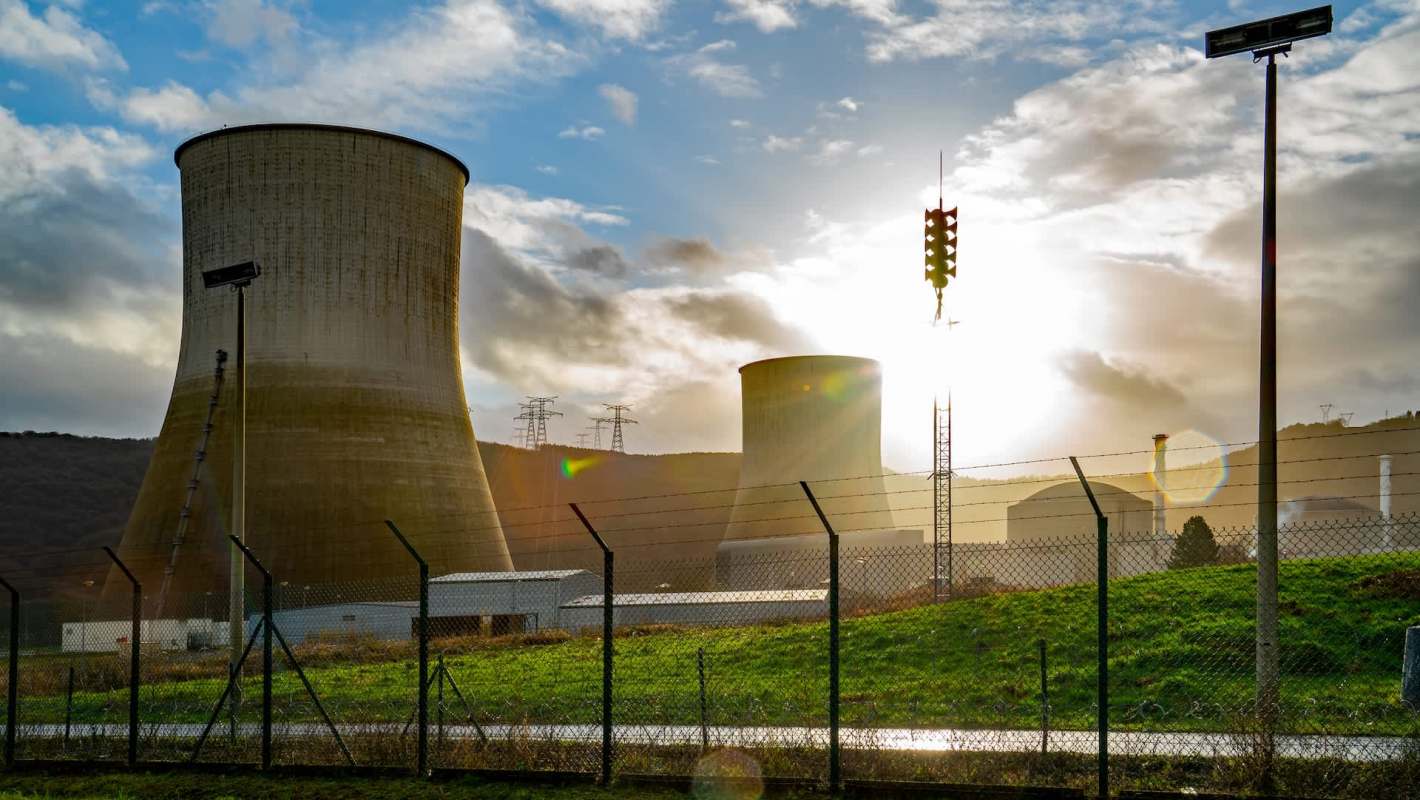
Western Europe's heatwave is forcing some French nuclear reactors to reduce output as the rivers used for cooling warm and shrink. When water temperatures rise too high, operators must cut production to protect ecosystems and meet environmental limits.
For a country that leans heavily on nuclear energy, that means coping with lower power output and higher electricity prices.
What happened?
According to data from French utility EDF, as reported by Reuters, France's nuclear fleet was generating about 4.1 gigawatts — roughly 7% of national demand — less power at midday Wednesday, June 24, amid heat-driven constraints on the availability of cooling water.
Several reactors were affected as the heat intensified, while one reactor was taken fully offline late Monday. The disruptions came as temperatures in parts of France rose above 40 degrees Celsius, or 104 degrees Fahrenheit.
According to the outlet, EDF must reduce nuclear generation when river temperatures cross regulatory limits, a safeguard meant to protect local ecosystems.
Why does it matter?
This kind of disruption can drive up wholesale electricity prices and put additional strain on the grid during periods when people are using more power for air conditioning. Climate-driven heat can also disrupt systems designed to deliver reliable energy.
TCD Picks » Quince Spotlight
💡These best-sellers from Quince deliver affordable, sustainable luxury for all




Nuclear power has long been central to France's energy security because it can produce large amounts of electricity with relatively low environmental impact compared with fossil fuels. However, the technology comes with tradeoffs, including radioactive waste, safety concerns, and high upfront costs.
However, this situation highlights a climate vulnerability for nuclear power. Even though it can help reduce emissions, many reactors still depend on river or ocean water for cooling, leaving them exposed when water becomes too warm or too scarce.
That risk may increase as Europe heats up. The World Meteorological Organisation said the region is warming at more than twice the global average, Reuters reported, making long heat events more likely.

Get TCD's free newsletters for easy tips, smart advice, and a chance to earn $5,000 toward home upgrades. To see more stories like this one, change your Google preferences here.






