


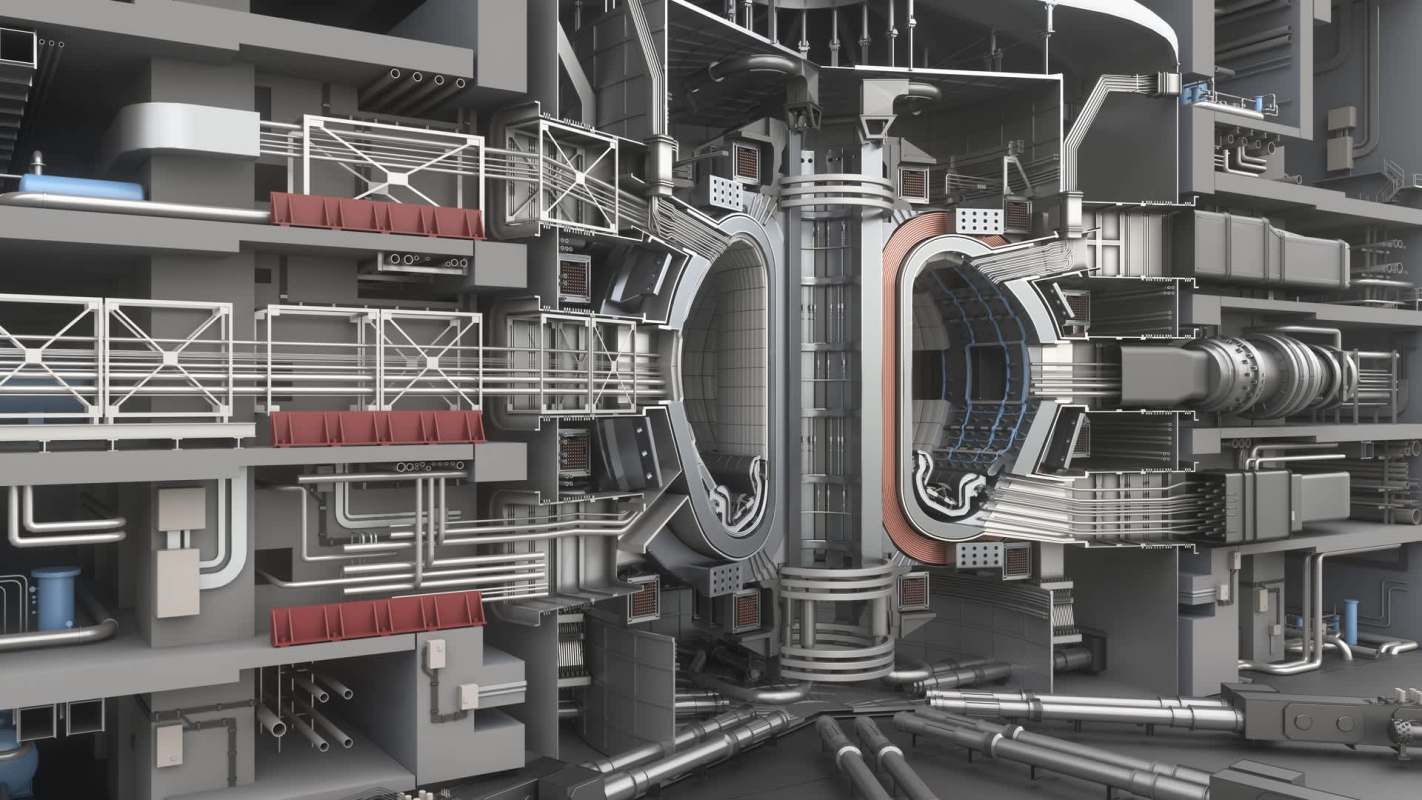
Researchers at the Chinese Academy of Sciences and their colleagues recently developed two artificial intelligence technologies to help improve the performance of nuclear fusion generation.
Despite the environmental benefits of using nuclear fusion as a zero-carbon energy source, commercializing and implementing this type of nuclear power has so far been complicated by the complexities of nuclear reactor technology.
While fusion has great potential for future energy generation, scientists are still working on the challenges of making it usable.
The two studies — one published in the journal Nuclear Fusion, the other in Plasma Physics and Controlled Fusion — sought to leverage AI to increase the stability of the plasma and the reliability of the nuclear fusion reactors, prone as they are to disruptions.
The first AI model predicts these disruptions, issuing warning signs when the plasma becomes unstable and offering scientists crucial milliseconds to respond accordingly. The second monitors the state of the plasma itself, classifying plasma conditions in real time, according to an academy report posted at Phys.org.
"Together, these AI tools not only contribute to safer experimental environments but also offer valuable insights into complex plasma dynamics," the report stated.
As the global population grows and industrial advancements drive up energy demand, shifting away from dirty energy sources such as coal and oil is becoming increasingly crucial.
Burning fuel releases planet-heating carbon pollution into the atmosphere, destabilizing weather patterns. Switching to renewable or low-carbon alternatives such as solar, wind, and nuclear power mitigates many of these adverse effects.
Fusion-based technology generates massive amounts of energy without any reliance on combustion, and without the long-lived radioactive waste problem that arises from the nuclear fission reactors that are used today. If successfully commercialized, such a high-efficiency power source as fusion would better enable power companies to keep up with electrical demand and slash energy bills for the average individual.
While nuclear fusion technology is still a work in progress, advancements like these latest AI models are sure to pave the way for more innovative fusion research going forward.
TCD Picks » Quince Spotlight
💡These best-sellers from Quince deliver affordable, sustainable luxury for all




"The study provides a foundational step toward fully intelligent control systems in future fusion energy facilities," the academy's report concluded.
|
Should the government continue to give tax incentives for energy-efficient home upgrades? Click your choice to see results and speak your mind. |
 Absolutely 💯
Join our free newsletter for weekly updates on the latest innovations improving our lives and shaping our future, and don't miss this cool list of easy ways to help yourself while helping the planet.
Cool Picks





