


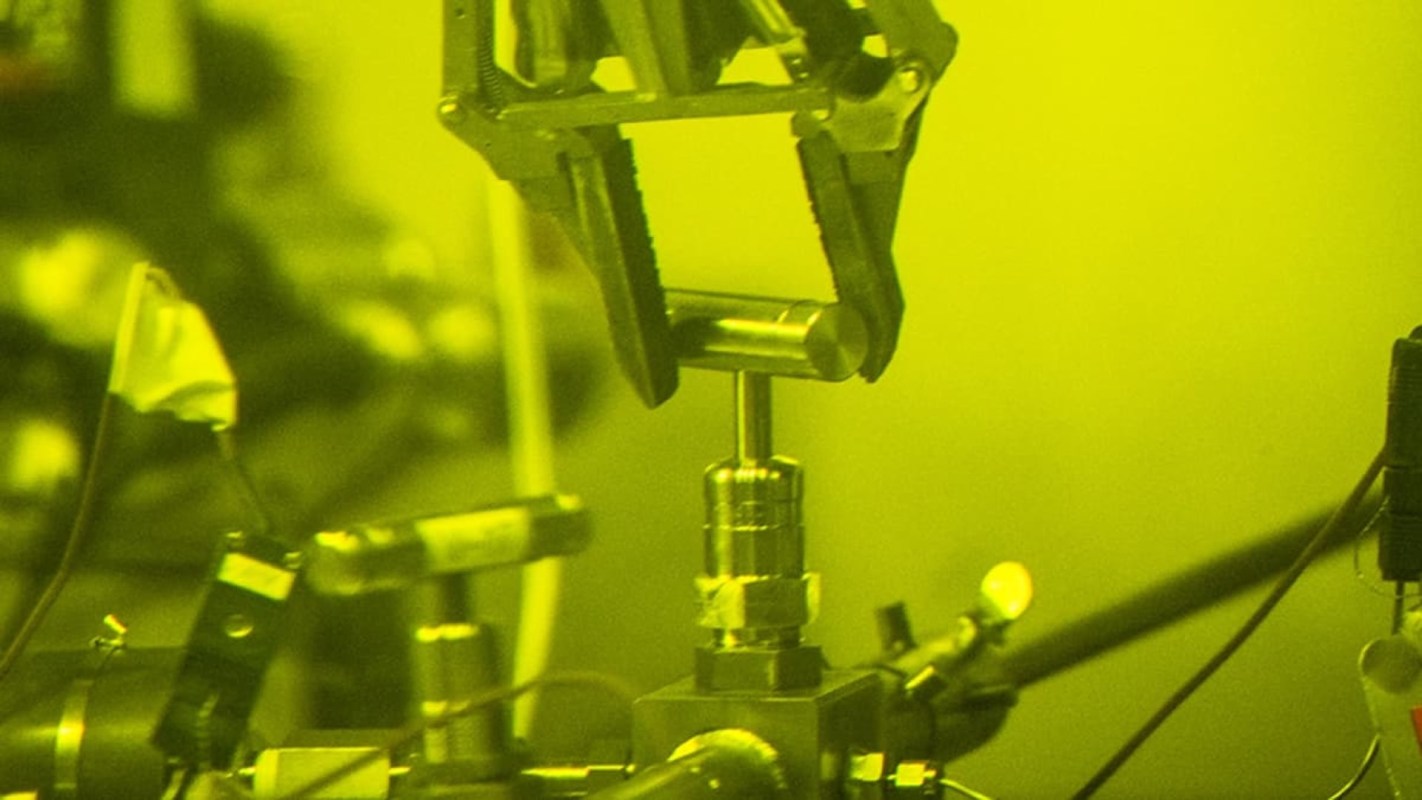
Nuclear fuel rods that work more efficiently, last much longer, and minimize nuclear waste may soon help generate more sustainable energy sources.
Interesting Engineering shared the latest development on a new type of nuclear fuel designed by Global Nuclear Fuel, a joint venture of GE Vernova and Hitachi Ltd. The project is being developed through the Department of Energy's Accident Tolerant Fuel program, which aims for safer and more cost-effective nuclear fuel by 2030.
After six years of being tested in real conditions inside a commercial reactor, the rods are now at the Pacific Northwest National Laboratory for examination. Researchers expect to confirm the higher efficiency and longer operating cycles of the high burnup nuclear fuel rods compared with current rods in use.
If successful, this fuel could power future reactors like GE's BWRX-300 and help make nuclear energy safer and cheaper. Reactors could run longer between refueling cycles, use fewer bundles overall, and leave behind less nuclear waste.
According to the Nuclear Regulatory Commission, Accident Tolerant Fuels (ATF) could increase the burnup limit from 62 to up to 80 gigawatt-days per metric ton of uranium. Wider deployment of these fuel types could translate into lower costs and less pollution than other energy sources.
In fact, a study by The Breakthrough Institute showed that nuclear power is not only cleaner than coal and gas, but also has a smaller mining footprint than solar or wind. New ATFs further boost the feasibility of nuclear energy as a cleaner option, though still finite.
However, nuclear power is not without its challenges. For one, nuclear fission — the process of splitting uranium atoms to release energy, which heats water to produce steam that drives electricity-generating turbines — creates radioactive waste that must be carefully stored for several years.
Also, uranium supplies are finite, and more exploration is needed to ensure sufficient supply within the next few decades, as reported by the International Atomic Energy Agency.
Still, the potential benefits are significant. The Nuclear Energy Institute estimates that nuclear power generates 43% of the carbon-free electricity in the U.S. With one uranium fuel pellet capable of providing as much energy as 1 ton of coal, 149 gallons of oil, or 17,000 cubic feet of dirty energy, nuclear sources can help meet rising energy demands while curbing air pollution.
Cleaner air also brings measurable health benefits. Research has shown that phasing out air-polluting energy sources could prevent millions of premature deaths each year by lowering rates of heart disease, stroke, and other illnesses tied to dirty air.
TCD Picks » Quince Spotlight
💡These best-sellers from Quince deliver affordable, sustainable luxury for all




|
Should the government continue to give tax incentives for energy-efficient home upgrades? Click your choice to see results and speak your mind. |
 Absolutely 💯
 Nuclear power is not a perfect solution — but it can be part of a diverse energy mix that balances renewables like solar energy with reliable baseload power. When carefully managed, it can support the transition to clean energy.
While no firm deployment date has been announced, researchers are optimistic that GNL's advanced fuel rods can be used in the near future.
With full confidence in the laboratory's multidisciplinary capabilities, PNNL director Mark Nutt told Interesting Engineering, "We look forward to realizing the full scientific potential of this material."

Join our free newsletter for weekly updates on the latest innovations improving our lives and shaping our future, and don't miss this cool list of easy ways to help yourself while helping the planet.
Cool Picks





