


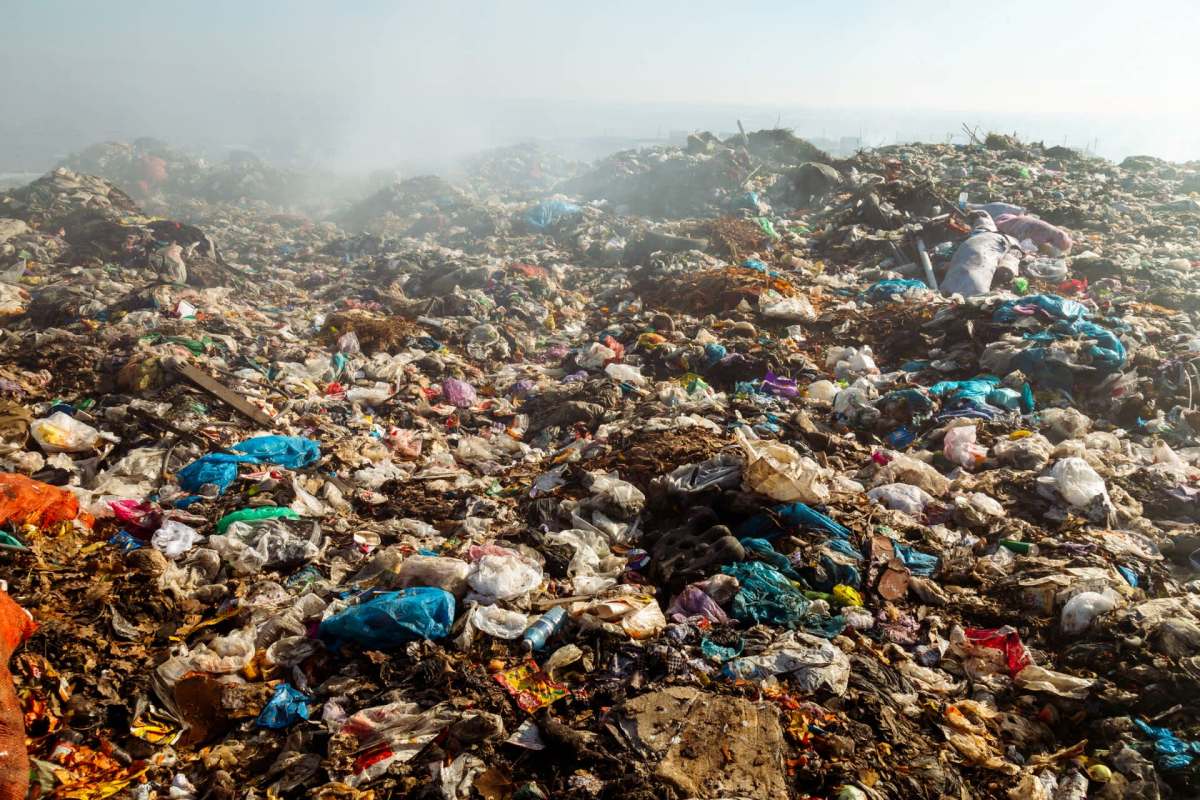
In St. Pauls, North Carolina, the Border Belt Independent reported residents are suing Robeson County after testing cited in a lawsuit found PFAS in treated tap water at levels higher than those reported by any treatment plant in the state.
The lawsuit adds urgency to a yearslong battle over a landfill in St. Pauls, where neighbors say pollution has turned a basic necessity into a source of fear.
What happened?
The Robeson County Landfill, whose entrance is about a half-mile from resident Viv Tolson Wayne's home, is at the center of a June 16 lawsuit against the county, as the Independent noted.
Filed by a community group and environmental attorneys, the filing alleged that county actions let PFAS, or "forever chemicals," seep from the landfill to create "an imminent and substantial endangerment to health or the environment," per the outlet.
As the lawsuit moves forward, county commissioners are considering a roughly 35-acre expansion of the 537-acre landfill that constitutes the seventh such proposal in three decades, according to the Independent.
Meanwhile, the U.S. Environmental Protection Agency says PFAS exposure has been associated with higher risks of cancer, thyroid disease, reproductive problems, and developmental delays in children.
TCD Picks » Quince Spotlight
💡These best-sellers from Quince deliver affordable, sustainable luxury for all




Testing cited in the lawsuit found notably elevated levels of per- and polyfluoroalkyl substances in local drinking water, per the Independent.
Maia Hutt, a lawyer with the Southern Environmental Law Center, said that testing showed residents' tap samples included about 25 parts per trillion of GenX and averaged 30.3 parts per trillion for PFOA.
"Comparable PFAS levels in Wilmington's public water were considered a public health emergency," Hutt told the Independent. "So why isn't this a public health emergency?"
Why does it matter?
The outlet reported that more than a third of St. Pauls residents live in poverty and that the area nearest the proposed expansion is majority non-white and disproportionately low-income.
Residents raised concerns about drinking water, gardening, and fishing.
Tolson Wayne described the worry in simple terms to the Independent, saying, "If it's in my water, then it's in the air that I breathe."
PFAS standards, treatment requirements, and enforcement actions can shift over time, but exposure concerns are immediate for families trying to decide whether to drink tap water, install filters, and avoid eating locally caught fish.
When officials, courts, and utilities fight to sort out responsibility, residents are often left to make expensive decisions first.
What's being done?
The plaintiff, the St. Pauls Community Association for Progress, asked the court to halt use of the Rocco Water Treatment Plant unless it can eliminate PFAS and sampling confirms the chemicals are no longer present.
Rob Davis, attorney for Robeson County, said the county had secured land for carbon filtration and had also met with a company about landfill treatment technology, according to the Independent.
Residents are already bearing some of the cost themselves. The outlet reported that Julia Odom, 73, borrowed $6,000 for a home purification system.
"We just want clean water," Tolson Wayne said. "I might not see it in my lifetime, but for my child and my grandchildren, we want it to be an environment that they can live and grow in."

Get TCD's free newsletters for easy tips, smart advice, and a chance to earn $5,000 toward home upgrades. To see more stories like this one, change your Google preferences here.






