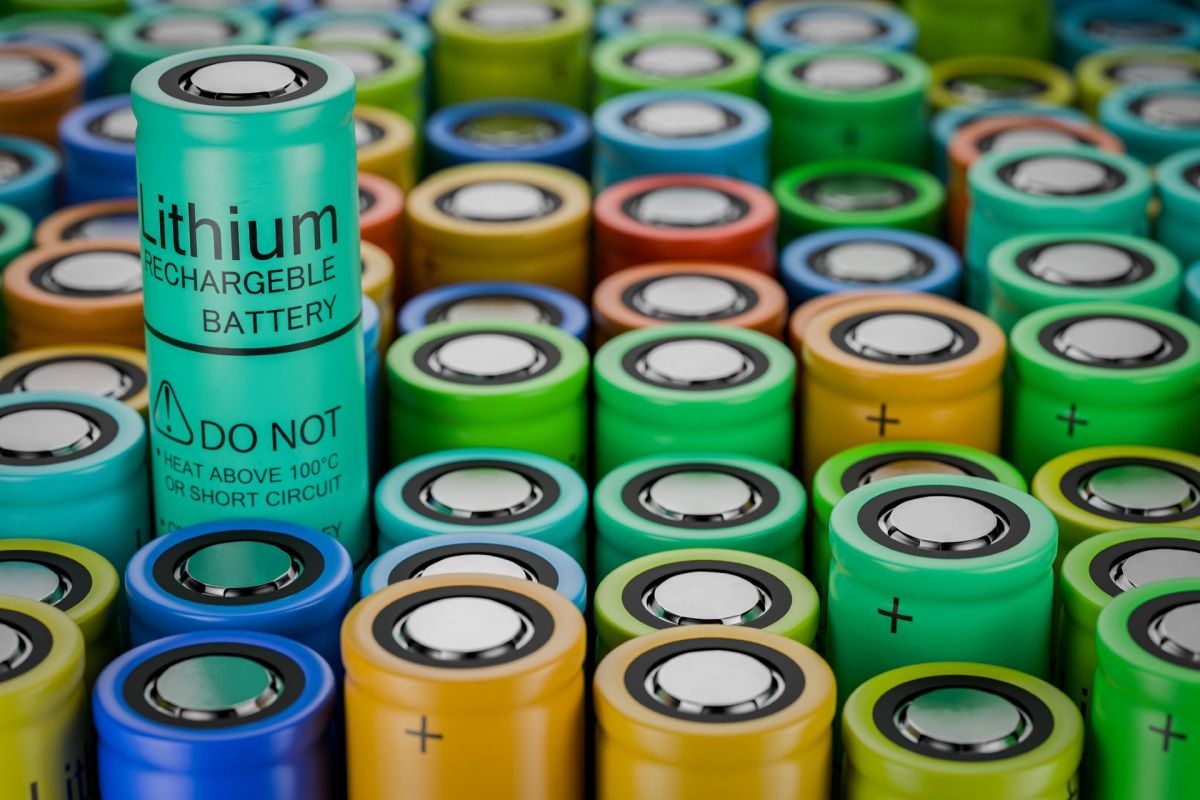
A North Carolina fire department is warning residents that so-called dead batteries may still pose a danger long after they stop powering a device.
In Statesville, Waste Advantage Magazine reported officials are urging the community to keep rechargeable batteries out of the trash and instead help fill a recycling drum designed to prevent avoidable fires.
Here's what to know
To steer used rechargeable batteries away from household waste, the Statesville Fire Department announced it has started a "Fill the Drum" Battery Recycling Challenge. The drive focuses on the department's Call2Recycle drum and will also feature a Battery Take Back Day beginning at 8 a.m. on October 5.
Officials say the concern is greatest with rechargeable batteries such as lithium-ion cells, which can become a significant fire hazard when they end up in the regular trash.
In the announcement, the department wrote that a battery may look completely spent and still retain enough energy to ignite or throw sparks if it is punctured, crushed, or otherwise damaged.
Once it is mixed with household garbage, a discarded battery can pose a danger in places such as a home, a garbage truck, or a recycling facility if handled improperly.
TCD Picks » Quince Spotlight
💡These best-sellers from Quince deliver affordable, sustainable luxury for all




"Every battery recycled is one less battery that could start a fire in a garbage truck, recycling facility or home," remarked Statesville Fire Marshal Allen "Pete" Morrison in the announcement.
More background
Many people assume that once a rechargeable battery no longer works, it no longer poses a threat. The Statesville Fire Department is trying to correct that assumption.
Its message is straightforward: "dead" does not necessarily mean safe. If a discarded battery is compacted or damaged somewhere in the waste stream, any remaining charge can create a fire risk that extends far beyond the person who threw it away.
Department leaders describe the effort as one piece of their broader community risk reduction work. They also want residents to better understand how to handle lithium-ion batteries safely and dispose of them properly.
One small item placed in the wrong bin can create hazards for sanitation workers, recycling staff, firefighters, and nearby residents.
What can be done?
The department's guidance makes it clear that rechargeable batteries should not go into household garbage. They should instead be taken to a recycling site equipped to handle them safely.
People who want to participate can drop off unwanted rechargeable batteries in the fire department's collection drum or bring them to the take-back event on October 5, as the department works toward filling the container.
The campaign presents battery recycling as a safety measure meant to prevent fires before they start.
Morrison added that the challenge is designed to make prevention easy and visible for residents.
"This is an easy way for everyone to help protect our firefighters, sanitation workers and our community," he declared in the announcement.

Get TCD's free newsletters for easy tips, smart advice, and a chance to earn $5,000 toward home upgrades. To see more stories like this one, change your Google preferences here.