


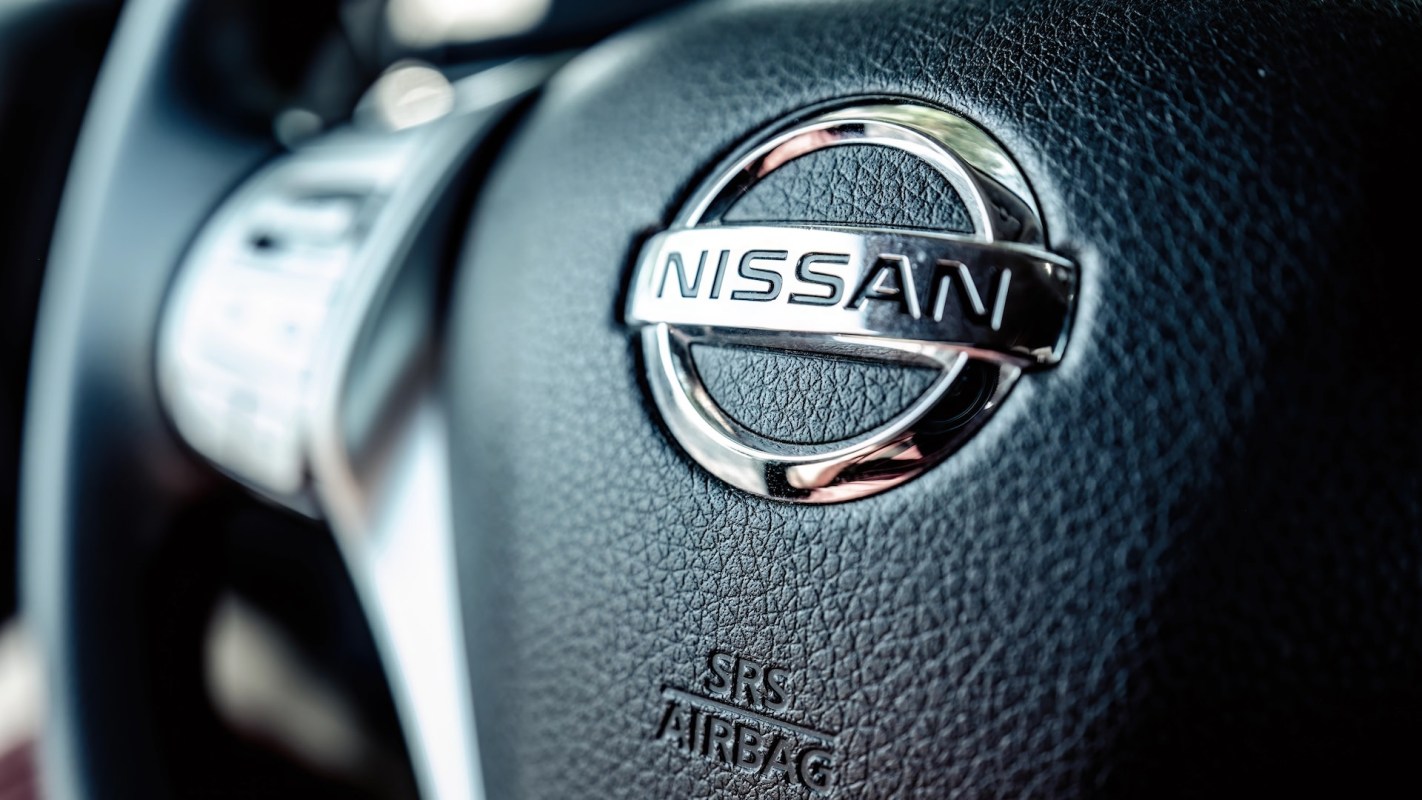
Nissan is revamping its ProPilot driver-assist system and pushing it to compete head-on with Tesla's Full Self-Driving (FSD), per a recent article in The Business Times. "We think ours is smarter than Tesla FSD," said Tetsuya Iijima, general manager in Nissan's assisted-driving technology division. However, he added that it's "just not as polished as a product," per the article.
The updated ProPilot is being built in partnership with U.K. AI startup Wayve, backed by SoftBank and Nvidia, and is slated to roll out in the fiscal year ending March 2028. Whereas Nissan's prior ProPilot versions only handled highway driving, the new generation aims to manage complex city streets using fewer sensors by leaning on Wayve's AI software.
Nissan's driver-assist system debuted in 2016 with features like lane centering and adaptive cruise control, with a second iteration in 2019 allowing hands-off driving on highways.
Like Tesla's FSD, ProPilot remains a Level 2 system, requiring a human to stay alert and ready to take over. Still, Nissan executives are positioning the upgrade as a meaningful leap forward in driver-assist technology.
Meanwhile, Tesla's global deliveries fell 13.5% in the second quarter of 2024, intensifying pressure to deliver on the company's autonomous claims. In Europe, Tesla's registrations slumped for the eighth consecutive month in August, amid competition from rivals such as Chinese automaker BYD.
If Nissan's AI-powered ProPilot lives up to the hype, it could give buyers a compelling alternative to Tesla's FSD at a lower cost — and potentially with better performance in everyday urban conditions. But because it still requires human supervision, it won't eliminate the need to pay attention behind the wheel.
From an environmental standpoint, more capable driver-assist systems may help increase EV options by reducing range anxiety associated with highway stress, although advanced sensors and computing demands could also bring trade-offs in energy and resource use.
Despite these challenges, Nissan remains optimistic. "Its situational awareness is close to human," Iijima said during a prototype test drive in Tokyo, per the article. "I believe this technology will change lives."
For those drivers making the switch to EVs, charging at home can be much cheaper than relying on public stations, with hundreds of potential annual savings. Qmerit makes it easy for homeowners to get free, instant estimates on installing their own Level 2 chargers, and EnergySage helps households compare quotes from local solar installers, saving them $10,000 in the process.
|
Would you buy an EV if it only took you five minutes to charge? Click your choice to see results and speak your mind. |
 Sign me up 👍
Join our free newsletter for weekly updates on the latest innovations improving our lives and shaping our future, and don't miss this cool list of easy ways to help yourself while helping the planet.
TCD Picks » Quince Spotlight
💡These best-sellers from Quince deliver affordable, sustainable luxury for all




Cool Picks





