


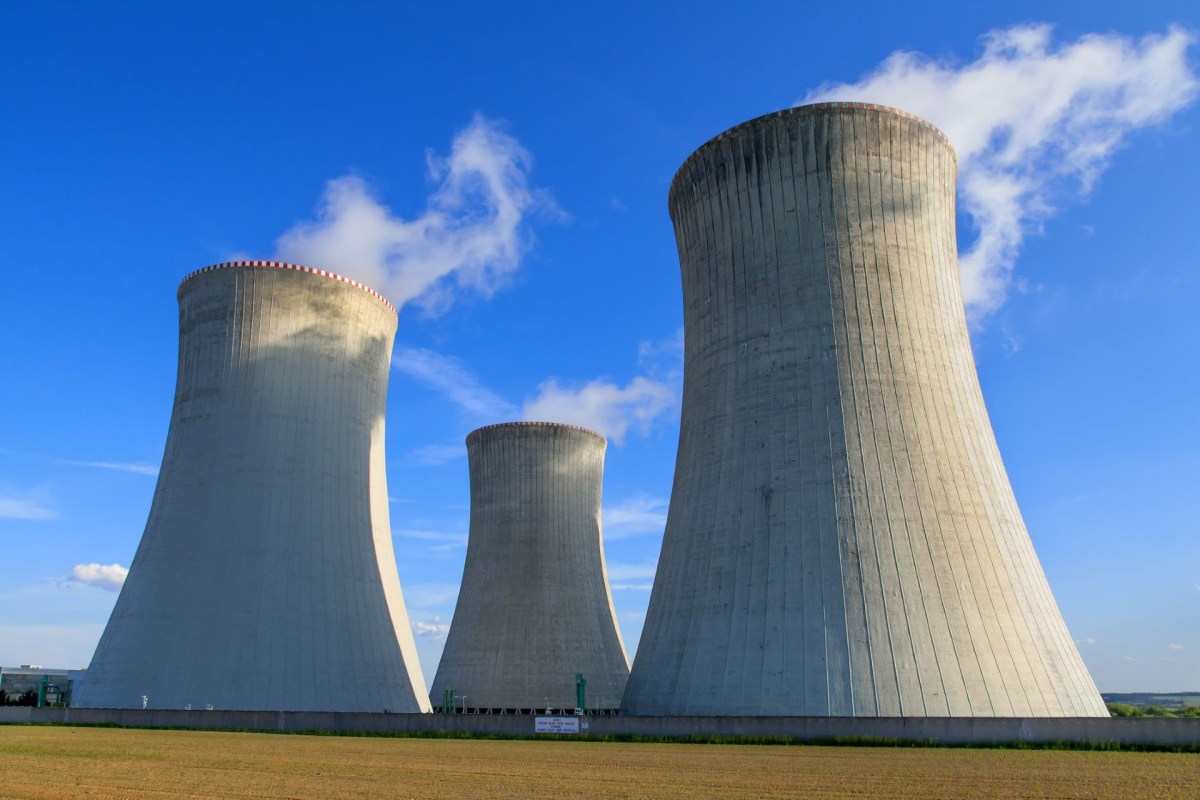
In an interview with Bloomberg Tech, Energy Secretary Chris Wright unveiled plans for developing nuclear energy capacity in the United States. According to Wright, America is already at work on the next generation of nuclear reactors, integrating more advanced technology — and we could see the first of them online as early as July 4, 2026.
According to BGR, America has 94 nuclear reactors online. They use uranium for fuel and are light-water reactors, meaning they use water for cooling.
New reactors, according to BGR, would use fuel in a gaseous state and employ molten salt for cooling. The result would be a safer and more efficient nuclear reactor, as well as one that Wright asserts could be run using fuel sourced in the U.S., instead of Russian uranium, increasing the country's self-sufficiency.
Nuclear energy is an interesting case with complex environmental implications. In terms of carbon pollution, it is a major improvement over fossil fuels such as coal and gas, which are polluting our atmosphere and overheating our planet. It can also produce power day and night in any weather — unlike many clean energy solutions, such as solar and wind — so it is a valuable part of the transition away from dirty energy.
On the other hand, nuclear fission has drawbacks that true renewable energy doesn't, such as generating radioactive waste, being potentially tied to the proliferation of nuclear weapons, and creating safety concerns that aren't an issue with solar panels or offshore wind farms.
Wright, however, has incorrectly asserted through the Department of Energy that "wind and solar energy infrastructure is essentially worthless when it is dark outside, and the wind is not blowing," leading to a brutal Community Note on X that merely said, "Batteries allow electricity to be stored and used at a different time than when it is generated." Overall, Wright has sought to downplay on multiple occasions how renewable energy is cleaner and cheaper than nuclear energy.
Wind and solar energy infrastructure is essentially worthless when it is dark outside, and the wind is not blowing. https://t.co/61rquLn5bg
— U.S. Department of Energy (@ENERGY) September 5, 2025
Nuclear fission also has unusually high upfront costs for construction — Bank of America and Morgan Stanley have reportedly pledged to help cover the costs for the current project.
New nuclear fusion technology has the potential to mitigate some of these drawbacks. It doesn't generate long-lasting nuclear waste, for example.
However, it will take time for this technology to be ready to be deployed on a commercial scale. Wright predicted that fusion technology would be deployed in the United States within 8-15 years — still an exciting time frame, if true, given the decades that have already been spent chasing this possibility.
"With AI and commercial fusion companies coming into the space now, the pace of innovation is faster than ever before," Wright said.
TCD Picks » Quince Spotlight
💡These best-sellers from Quince deliver affordable, sustainable luxury for all




|
How would you feel about a nuclear power plant being built near your home? Click your choice to see results and speak your mind. |
 I'd be excited 😀
Join our free newsletter for weekly updates on the latest innovations improving our lives and shaping our future, and don't miss this cool list of easy ways to help yourself while helping the planet.
Cool Picks





