


A flesh-eating livestock pest is edging ever closer to the United States.
U.S. Agriculture Secretary Brooke Rollins said Tuesday that a case of New World Screwworm had been identified in a goat in Mexico's Coahuila state, about 25 miles from the U.S. border, as Reuters reported.
What Happened?
Reuters noted that Rollins said it was the nearest verified detection to the U.S. in this outbreak. The parasite was identified in a five-year-old goat in northern Mexico.
"There's no doubt that this is a very, very serious threat to our livestock," Rollins told Reuters.
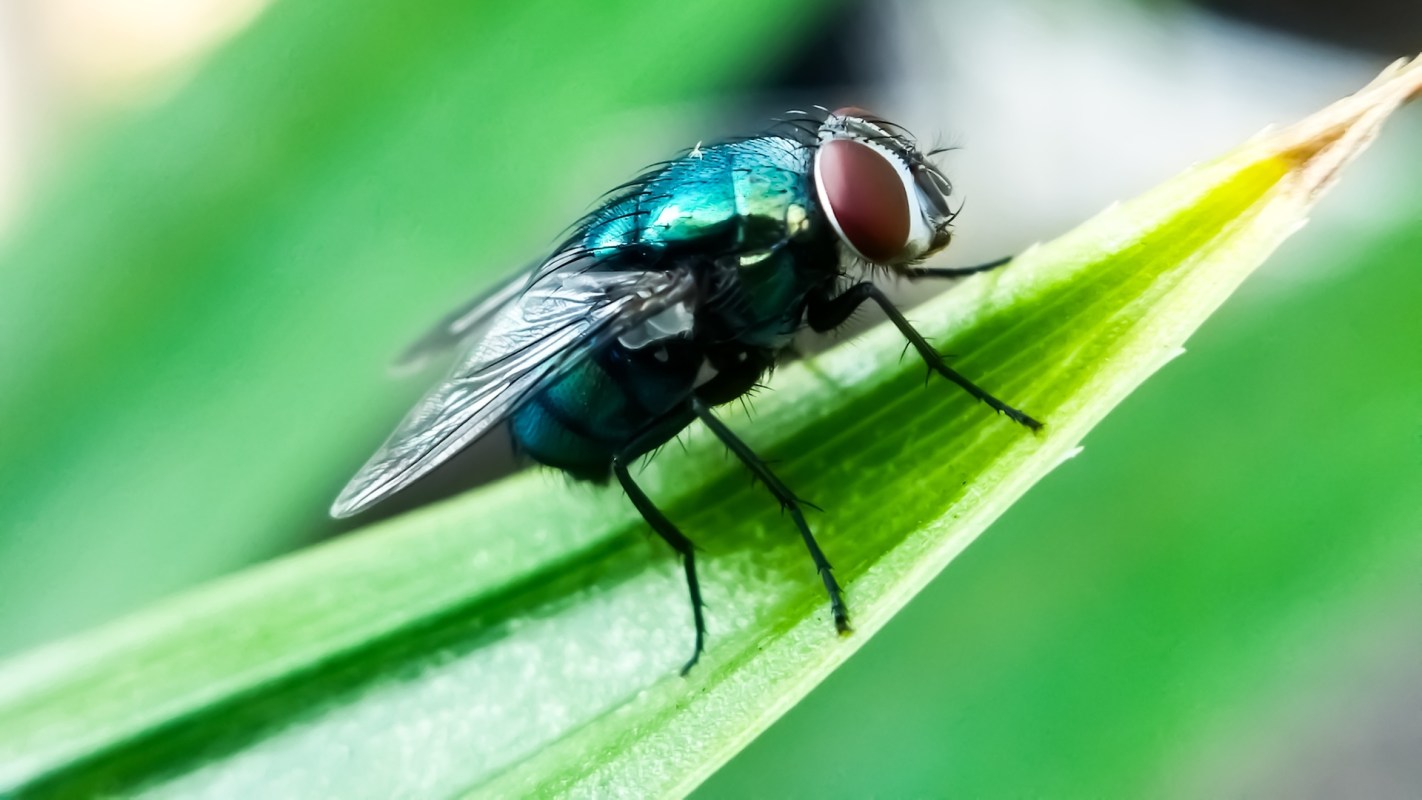
As the CDC detailed, New World Screwworm is a parasitic fly whose larvae feed on the flesh of living warm-blooded animals. If infected animals are not treated, the infestation can become deadly.
U.S. ranchers have spent more than a year watching the fly move north through Mexico. Rollins described the development as a serious threat to American livestock as officials work to keep the pest from crossing into the United States, per Reuters.
TCD Picks » Quince Spotlight
💡These best-sellers from Quince deliver affordable, sustainable luxury for all




The discovery is near major cattle-producing regions. Even a single confirmed case near the border can place more pressure on animal-health systems and livestock producers, as USA Today detailed.
Why does it matter?
A wider outbreak could affect food prices, local economies, and household budgets.
Reuters noted experts say Texas alone could face about $1.8 billion in economic damage from New World Screwworm. Losses on that scale would hit cattle operations, suppliers, and communities that depend on livestock production.
There could also be consequences at the grocery store. If the pest reduces the U.S. cattle supply, beef prices would likely rise, creating another source of food inflation as the domestic cattle herd hits long-time lows.
Knowing exactly where the invasive parasite was found gives officials and producers a better chance to respond quickly, protect animals, and limit the damage before it spreads further.
What's being done?
Rapid monitoring and clear communication remain key tools. In this case, Rollins publicly disclosed the case and emphasized its significance.
Early warning can help ranchers stay alert for symptoms, get treatment quickly for affected animals, and adjust operations if needed. Programs like the USDA's Stop Screwworm initiative need to be running a full speed.
Rollins noted to USA Today a $750 million sterile fly production ability can help ward off the screwworm more proactively.
"That facility will be capable of producing up to 300 million additional sterile flies per week, which is what we really need to begin pushing this back to South America," Rollins told the outlet.

Get TCD's free newsletters for easy tips, smart advice, and a chance to earn $5,000 toward home upgrades. To see more stories like this one, change your Google preferences here.






