


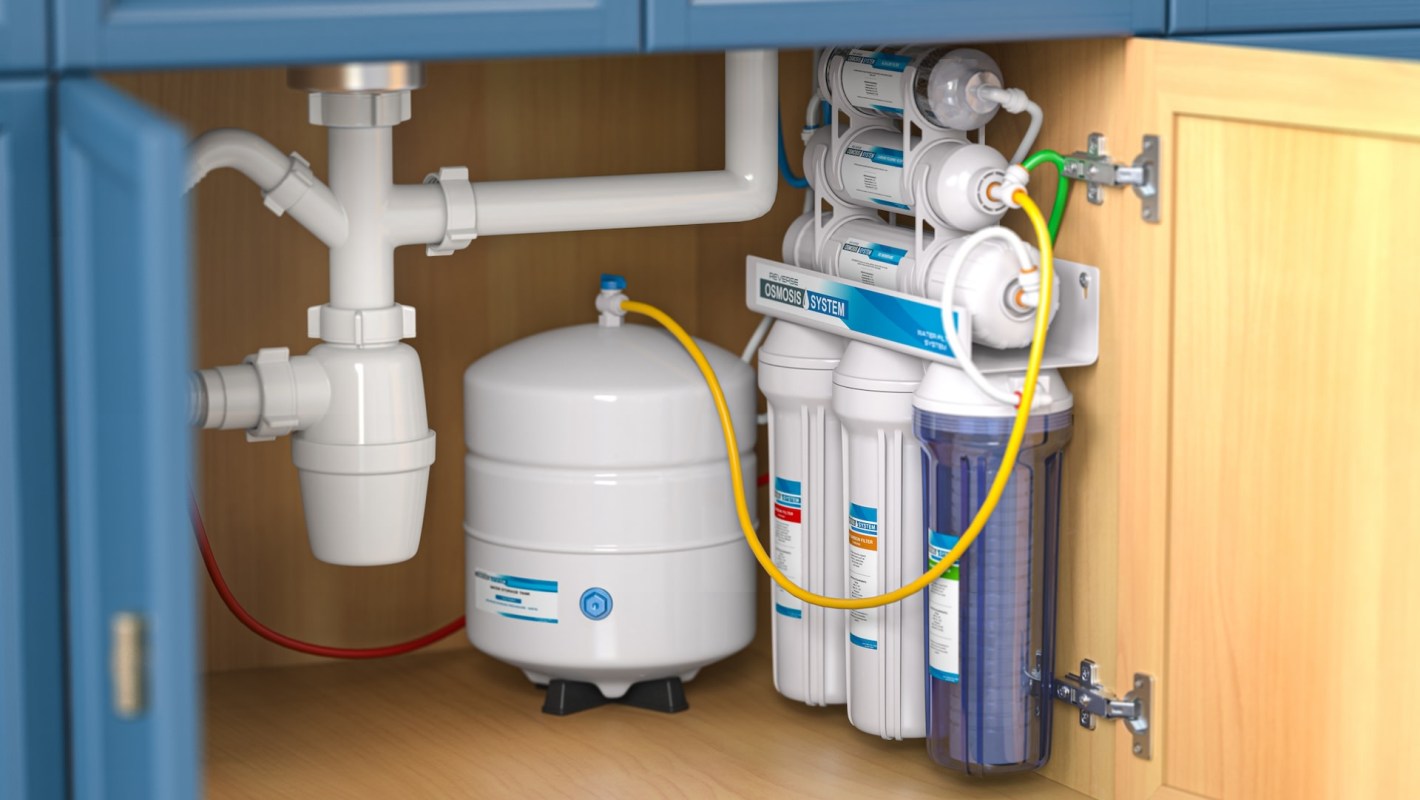
Communities across the U.S. are discovering that new water filters eliminate more than just toxic PFAS, according to WRAL News.
Research from the Environmental Working Group studied nearly 20 water plants across the U.S. These plants had modern filtration technology like carbon-based systems, ion exchanges, and membrane filtration equipment installed. The research found that these upgrades often eliminated harmful substances beyond their intended targets.
"PFAS are never detected alone," said Varun Subramaniam, a science analyst at EWG. "You can cast your net wide and filter out a lot more than just PFAS, even if that's the treatment goal."
Forever chemicals, known scientifically as PFAS, persist in the environment indefinitely and accumulate in human bodies. These substances connect to cancers, liver damage, decreased fertility, and increased cholesterol. They contaminate drinking water for millions of Americans through industrial discharge, firefighting foam, and consumer products.
The new research shows that when utilities add these filters, they also reduce chlorine reaction products by large margins. These chemicals form when chlorine interacts with organic materials during water treatment. In systems where levels dropped, one type of contaminant decreased by 42 percent while another dropped by half.
Scientists reached these conclusions after analyzing water quality data from utilities that upgraded their systems. The research team compared contamination levels before and after installing modern treatment technology. It found consistent patterns of broader chemical reduction across different treatment methods.
North Carolina utilities already see these advantages in their upgrade plans, per WRAL News. In Fayetteville, a $116 million carbon filtration project kicks off in 2026 and will be completed by 2031. Their early trials confirmed the technology removes numerous contaminants besides PFAS.
Raleigh Water has earmarked $170 million for system improvements. The utility currently uses powdered carbon treatment and stays within government standards, but officials recognize the opportunity for broader contamination reduction through better treatment.
The health implications extend to every household connected to upgraded systems. These chlorine-based compounds raise the odds of cancer and could cause liver and reproductive issues. By addressing multiple contaminants at once, communities protect residents from health threats without requiring separate treatment installations for each chemical.
Consumers can expect to see these improvements between now and 2031. Smaller communities may take longer without adequate funding support, which means federal infrastructure investments necessary for equitable access to clean water.
TCD Picks » Quince Spotlight
💡These best-sellers from Quince deliver affordable, sustainable luxury for all




|
Do you worry about having toxic forever chemicals in your home?
Click your choice to see results and speak your mind. |
 Majorly 😥
Join our free newsletter for weekly updates on the latest innovations improving our lives and shaping our future, and don't miss this cool list of easy ways to help yourself while helping the planet.
Cool Picks





