


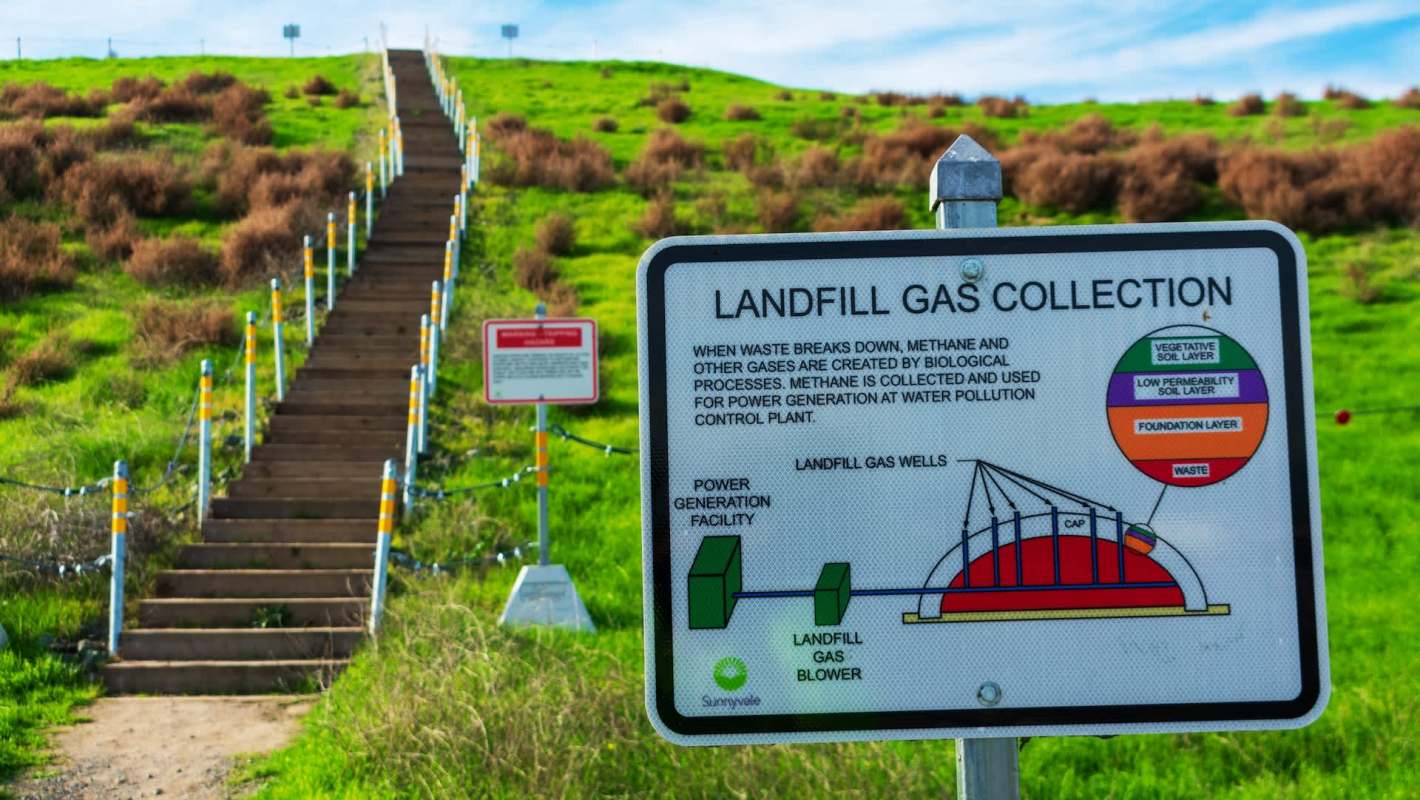
Evidence from one New Jersey landfill indicates the U.S. may be missing a significant source of pollution. The study, published by researchers at Columbia Climate School's Lamont-Doherty Earth Observatory, suggests landfill emissions could be five times higher than projected.
Here's what to know
According to MRW, researchers monitored methane from a landfill near East Brunswick, New Jersey, for 30 months using continuous tower data along with ground-based measurements and aerial observations. Andrew Hallward-Driemeier, a Ph.D. candidate in earth and environmental sciences and researcher at Lamont-Doherty Earth Observatory, led the study.
The findings suggest that short or seasonal surveys can miss large fluctuations in landfill methane. Based on the longer-term methodology, the team said 2023 emissions from the site may have been about five times the estimate reported by the U.S. Environmental Protection Agency.
"If you take all of the evidence, it's pretty clear that the EPA estimates are too low," Hallward-Driemeier said in a university media release.
More background
Under the EPA approach, pollution is first estimated from the amount of waste at a landfill and then adjusted using gas-capture levels.
The researchers argued it's likely that people can't extrapolate the amount a landfill pollutes from gas-capture data alone. Cloud cover and water vapor can interfere with satellite and aircraft imaging, and ground-level sampling may miss methane "hotspots" in different parts of a landfill.
TCD Picks » Quince Spotlight
💡These best-sellers from Quince deliver affordable, sustainable luxury for all




Hallward-Driemeier added that pollution appeared to top out in early winter, even though aircraft surveys at the site have usually taken place in summer. The team suspects it is because colder conditions may send methane-eating soil microbes into dormancy.
What's being done?
By combining continuous tower data with periodic aircraft observations, researchers compared methods and captured how emissions changed across seasons and weather events.
Using the same approach at other landfills could show whether the New Jersey site is unusual. If similar patterns appear elsewhere, regulators and landfill operators may need to reconsider when and how methane is measured. More accurate methane tracking could help identify facilities with unusually high pollution and inform policies to reduce heat-trapping pollution.
The researchers said the next step is to test the method at more sites.
"I would be careful in saying how widespread these results might be when we haven't been able to do it on other landfills yet," Lamont-Doherty Earth Observatory associate professor Róisín Commane said in the release.

Get TCD's free newsletters for easy tips, smart advice, and a chance to earn $5,000 toward home upgrades. To see more stories like this one, change your Google preferences here.






