


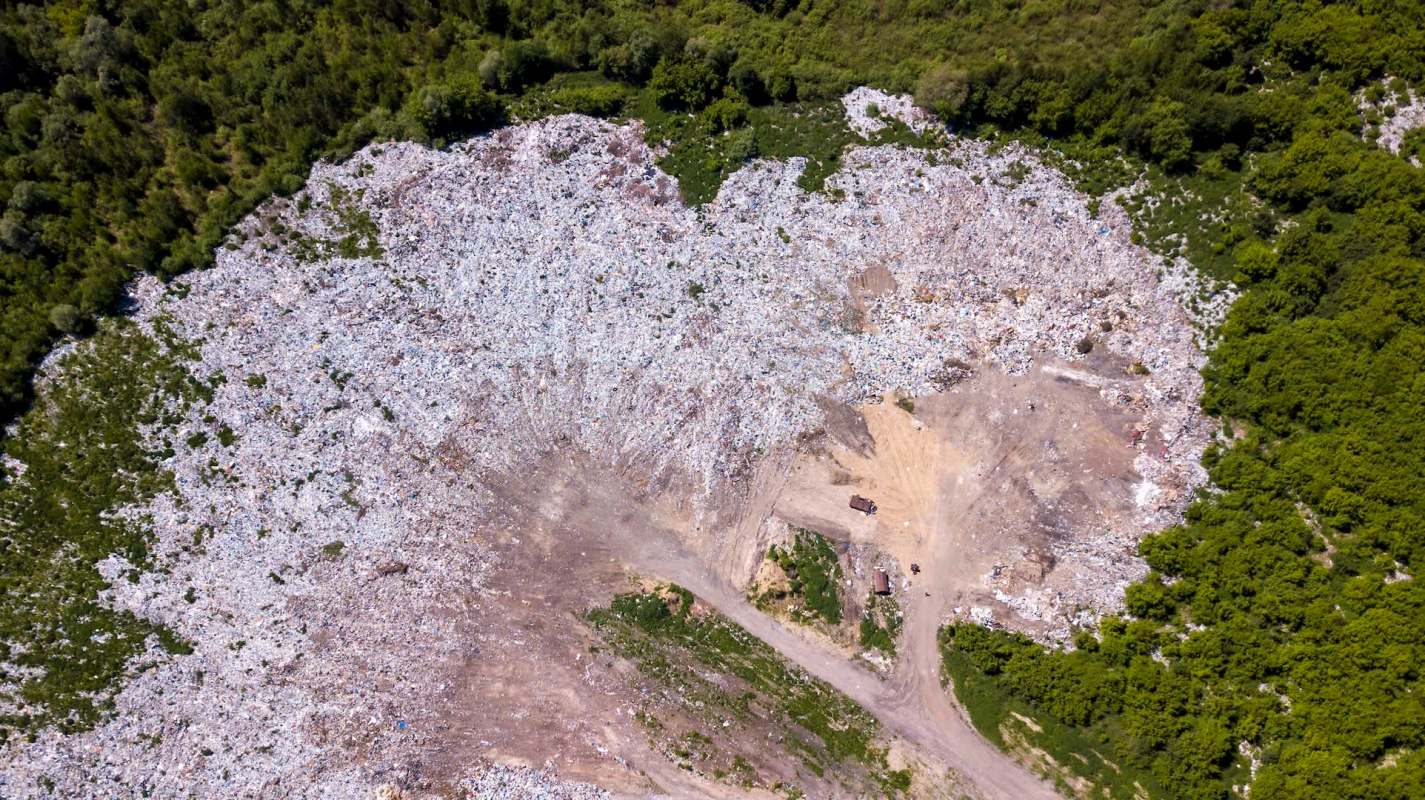
A state audit indicates North Carolina still has major gaps in its knowledge of many long-closed landfill sites, some located close to places where people live, worship, study, or get their water.
Although a state program was launched almost 20 years ago to find and evaluate dumps used before 1983, most of those sites still haven't been investigated.
As a result, officials still cannot say with confidence what waste is present at many of those spots or if they pose a danger to nearby communities.
What happened?
According to Island Free Press, auditors from State Auditor Dave Boliek's office reported that North Carolina has recorded 688 sites where municipal waste was buried before Jan. 1, 1983, before stricter environmental requirements took effect. What raises concern is that the majority of these sites have not had investigations — 534 of them, or 78%.
Without that work, the state frequently does not know whether contamination is present, how far it may have moved, or whether nearby residents could be exposed to it.
The audit said the North Carolina Department of Environmental Quality's Pre-Regulatory Landfill Program has largely succeeded in cataloging sites, but not in conducting regular testing or monitoring.
TCD Picks » Quince Spotlight
💡These best-sellers from Quince deliver affordable, sustainable luxury for all




The audit flagged 14 locations across Dare, Currituck, Hyde, and Tyrrell counties as sites that may warrant additional attention. Among them was the Buxton Dump in Dare County, listed as the region's highest-priority site and ranked No. 11 in the state, Island Free Press reported.
Investigators found buried waste in nearly all completed borings there, including glass, plastic, metal and fabric. They also recorded one volatile organic compound reading of 350.4 parts per million.
Boliek addressed the scale of the problem in a statement included in the audit.
"But the bottom line is there are hundreds of potentially hazardous landfill sites across North Carolina, and despite tax dollars supporting a program meant to investigate these sites, 78% haven't been examined," he said.
Why does it matter?
Auditors did not say all of these old landfills are polluted or creating an immediate hazard. Still, because testing is incomplete, key questions remain about the possible presence of hazardous materials, asbestos, methane, and contamination affecting soil or water.
Of the 688 sites, 84% sit within 1,000 feet of homes, schools, daycares, churches, or drinking water wells.
At sites that have been investigated, auditors found notable hazards. Methane levels exceeded the lower explosive limit at 23 of the 97 sites that had reached the investigation stage or beyond.
Legacy pollution can linger for decades, particularly in fast-growing or heavily visited areas where former dumps may now sit near neighborhoods, businesses, or recreational spaces.
State government accountability on these landfills is important because of the widespread health effects — one Southern California landfill is releasing dangerous levels of methane and toxic chemicals, prompting residents to report serious health problems, and leading to scrutiny for state officials that don't take stronger action.
What's being done?
Auditors recommended that DEQ revisit how it ranks sites, seek more funding, and work with lawmakers and agency attorneys to improve access to high-risk properties when owners do not cooperate.
The current pace remains slow. The audit determined the estimated cost to investigate, assess, and clean up a site would be about $1.9 million.
At existing funding levels, addressing the remaining uninvestigated sites could take roughly 99 years, with total costs potentially approaching $1 billion.
The state's rankings can also shift as more information comes in, including information from a 2024 statewide drinking water well project.
Boliek said DEQ agreed with the findings and recommendations.
He added, "The Pre-Regulatory Landfill Program is a complex issue that creates challenges from a regulatory, legal, funding, and administrative standpoint."

Get TCD's free newsletters for easy tips, smart advice, and a chance to earn $5,000 toward home upgrades. To see more stories like this one, change your Google preferences here.






