


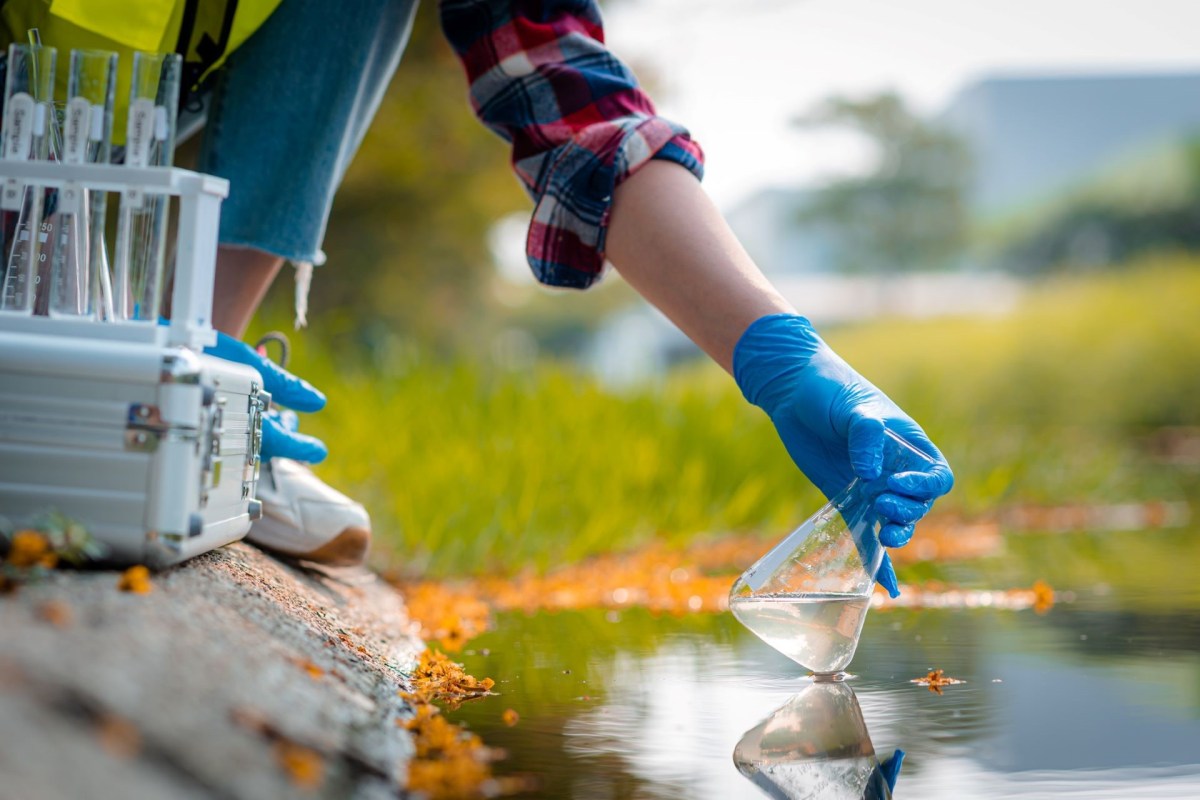
Researchers are concerned about how tiny pieces of plastic are interacting with bacteria.
What's happening?
A press release from Virginia Tech discussed an international study from one of its faculty members and others from universities around the world. The work examined how nanoplastics can strengthen biofilm.
The research, published in the journal Water Research, stated that nanoplastics are between 1 nanometer and 1,000 nanometers in size. They're too small for someone to see without magnification.
Biofilm, meanwhile, is made up of groups of bacteria that coat surfaces. They can sometimes be helpful to humans by acting as filters, but in drinking water distribution systems, they can create hazards.
In the study itself, the authors stated, "The increased mechanical strength of the biofilm and its resistance to the disinfectants highlight a potential challenge for water treatment and distribution systems, as nanoplastics may increase the formation of difficult-to-eradicate biofilms on the surface of some water treatment and distribution systems."
Why is the effect of nanoplastics on biofilm concerning?
These findings suggest that nanoplastics can compromise safe drinking water, which is concerning, given that other factors already affect water availability.
The U.S. Geological Survey has an interactive website that depicts data about water availability across the country. Places like the Northeast and Pacific Northwest typically have an abundance of water year-round, though droughts can change that. But supply and demand have much tighter margins in the Southwest and High Plains.
The USGS stated that drinking water contamination happens at higher rates in low-income and other marginalized communities.
The biggest threats to water quality, especially recreational water, are pathogens. Those include tiny organisms, such as bacteria found in biofilm, as well as viruses, fungi, and parasites.
As more micro- and nanoplastics show up in drinking water, this is especially worrying. Keeping drinking water clean is crucial to keeping people safe and reducing the transmission of illness.
TCD Picks » Upway Spotlight
💡Upway makes it easy to find discounts of up to 60% on premium e-bike brands



|
What's the most you'd pay per month to put solar panels on your roof if there was no down payment?
Click your choice to see results and speak your mind. |
 $200 or more 💰
 What's being done about nanoplastics and biofilm?
Virginia Tech's Jingqiu Liao, who worked on the study, is an assistant professor of civil and environmental engineering. She called for more research on this subject and how slightly larger microplastics interact with biofilm. Liao noted that size could affect how pieces of plastic engage with bacteria.
If drinking water is at risk of contamination in your community, you can take action to raise awareness. Working with people around you can reduce your own and others' exposure to nanoplastics and biofilm in water supplies.
Meanwhile, using less plastic can help prevent the creation of microplastics and nanoplastics, which are increasingly pervasive and have been linked to numerous human health issues.

Get TCD's free newsletters for easy tips to save more, waste less, and make smarter choices — and earn up to $5,000 toward clean upgrades in TCD's exclusive Rewards Club.
Cool Picks





