


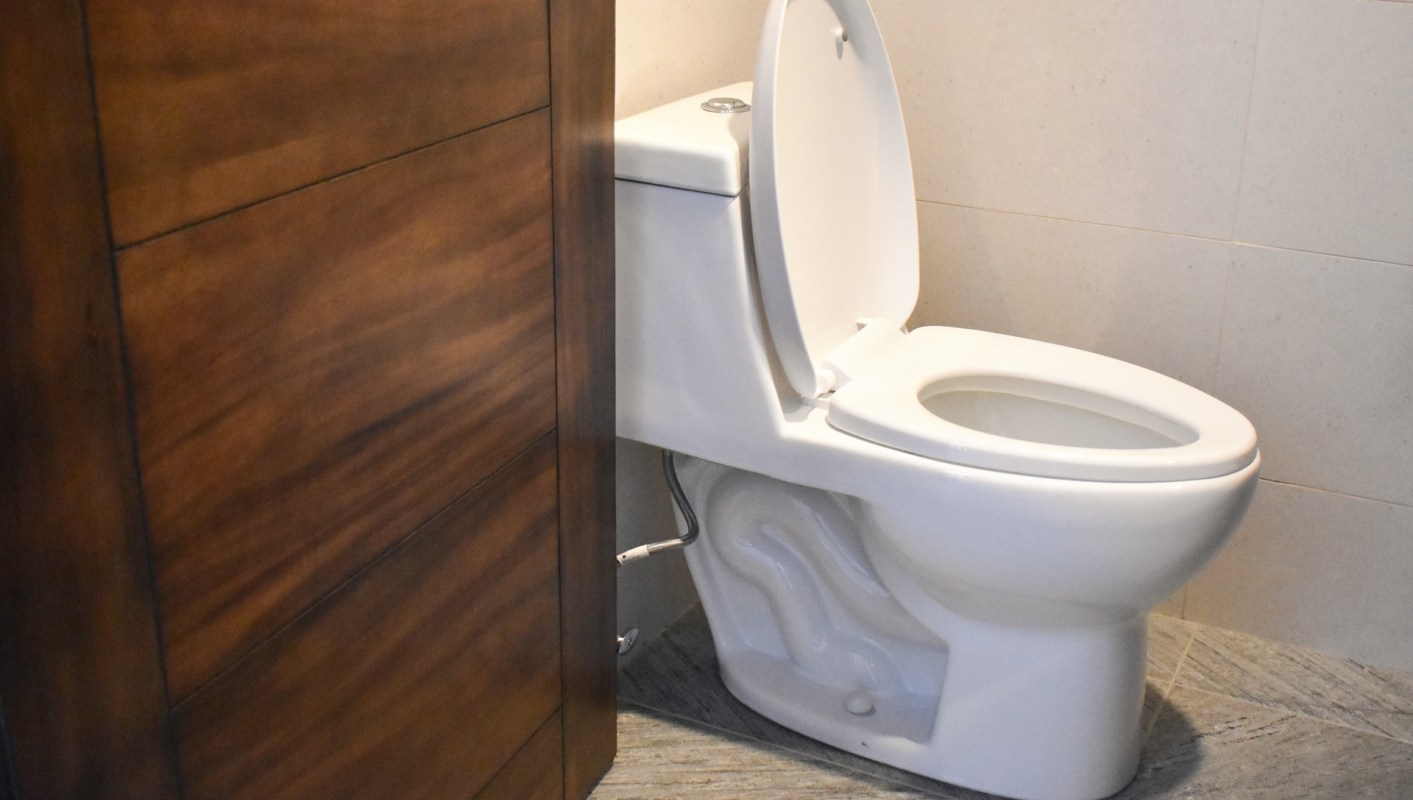
The University of British Columbia reported that researchers developed a new kind of toilet. The fascinating part is that it doesn't use water, electricity, or plumbing.
Despite this, it still manages to break down waste safely, keep odors under control, and maintain hygienic conditions. It's a striking rethink of one of modern life's most essential fixtures. It also has implications for both sanitation and environmental impact worldwide.
Dubbed the MycoToilet, the unit uses mycelia, or the root-like structure of mushrooms, to safely turn human waste into compost. Microbial communities aid the mycelia in accelerating decomposition.
The result is a clean, efficient, and fully self-contained setup. It could bring hygienic sanitation to off-grid homes, remote regions, and developing communities where traditional systems aren't viable.
In a UBC press release, Joseph Dahmen, the project lead and associate professor at UBC's School of Architecture and Landscape Architecture, said, "We wanted to turn a daily routine everyone knows into a pleasant experience that reminds us of our connection to ecological cycles."
The Environmental Protection Agency noted that toilets account for nearly 30% of indoor water use in an average household. This means that the MycoToilet could revolutionize water usage in the household and potentially reduce water expenses.
TCD Picks » Quince Spotlight
💡These best-sellers from Quince deliver affordable, sustainable luxury for all




By replacing plumbing with composting, the design may help cut wastewater and pollution tied to sewage treatment and fertilizer production. It'll keep waste handling safe and clean at the same time.
The system also produces a usable end product (compost) that can safely return nutrients to the soil once it's sterilized.
As Dr. Steven Hallam, a UBC professor in the department of microbiology and immunology, said, "Fungi are very good at breaking down biomass, including human and animal waste."
"They produce enzymes that transform material into simpler compounds while supporting microbial communities that accelerate decomposition. No added water, electricity or chemicals are required," he further explained.
|
What part of your home are you most excited to upgrade? Click your choice to see results and speak your mind. |
 My HVAC unit ♨️
 This prototype could inspire a new generation of resource-efficient sanitation technologies. By reimagining one of humanity's most basic routines, the UBC team shows how thoughtful design can save water, prevent pollution, and improve sanitation systems for everyone.
If you're looking for ways to make your own home more eco-friendly, start with simple home upgrades. Anything from switching to green toilet paper, adding compost bins for kitchen scraps, or installing energy-efficient lighting can make a difference.

Join our free newsletter for weekly updates on the latest innovations improving our lives and shaping our future, and don't miss this cool list of easy ways to help yourself while helping the planet.






