


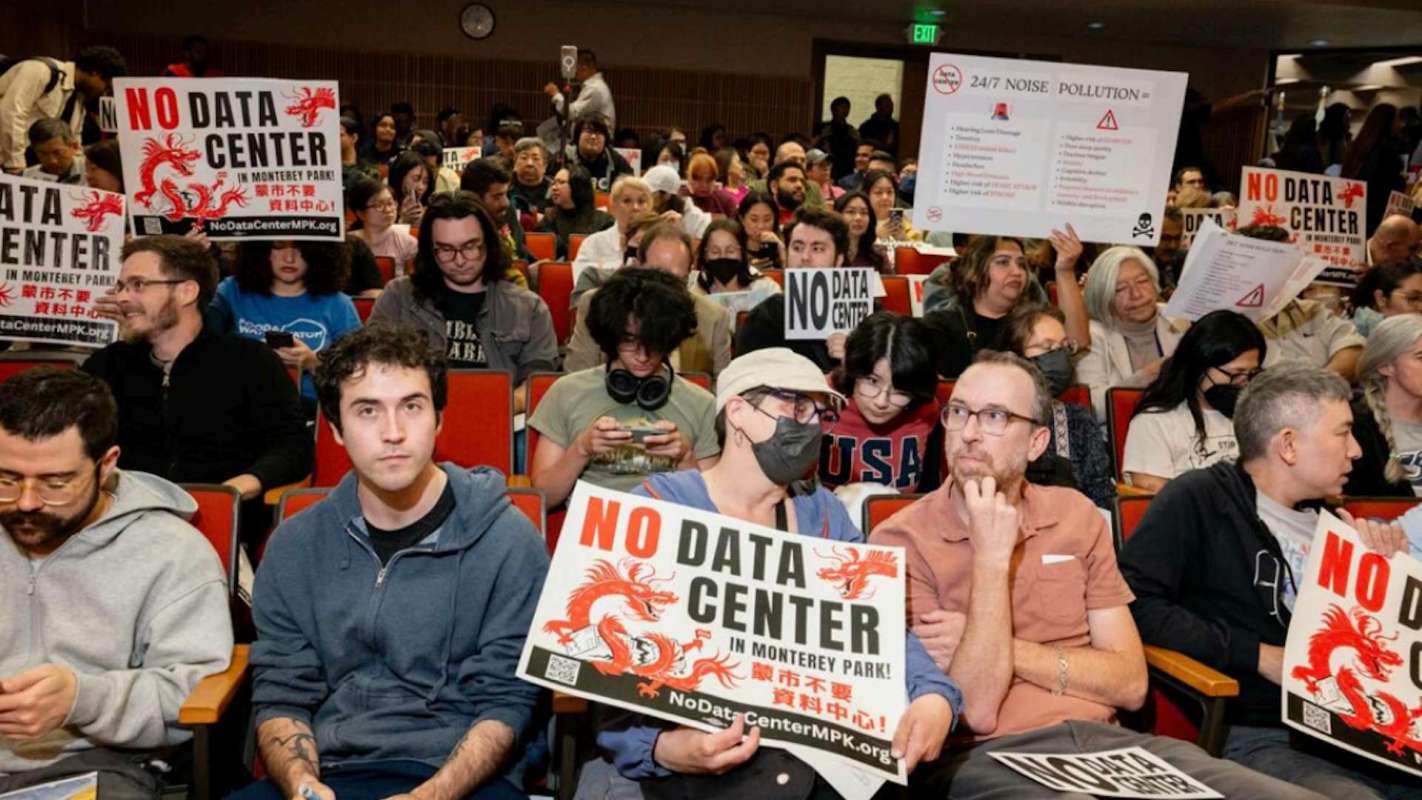
Monterey Park, California, has set a national first by using a ballot measure to ban data centers.
What happened?
The Los Angeles Times (via Governing) reported that measure NDC passed decisively on election day, with a massive 86% of counted ballots in favor, according to the Los Angeles County registrar-recorder and clerk. That outcome makes the San Gabriel Valley city the first in the United States to adopt a data center ban through a public vote.
The city had already prohibited data centers by ordinance after a proposed 247,000-square-foot facility sparked intense opposition. By approving the ban at the ballot box, residents made it far more difficult to reverse since a repeal would now require another ballot measure instead of a city council vote.
Much of the opposition centered on the project's location and projected resource use. The proposed facility would have stood less than 500 feet from the nearest home and was expected to use three times as much electricity as the city of roughly 60,000 people. Residents also feared noise, air pollution, and rising electric bills.
Why is the data center ban important?
Residents said it was not just a zoning issue but also a question of daily life: whether families should live near a massive industrial facility that could strain the grid, create pollution, and alter the character of their neighborhood.
As demand for artificial intelligence and cloud computing grows, so does demand for data centers — and for the electricity and water they require. Communities across the country are increasingly asking who benefits, who bears the burden, and whether these projects belong near homes at all.
TCD Picks » Quince Spotlight
💡These best-sellers from Quince deliver affordable, sustainable luxury for all




What are people saying?
The measure faced no formal opposition.
Supporters say the Monterey Park vote could protect public health and household budgets while giving residents more control over local development.
"This ensures long-lasting protections for current and future generations," said Amy Wong, co-founder of San Gabriel Valley Progressive Action, per Governing. "It means that future city councils cannot overturn a data center ban, even if data center developers wanted to spend money to fund pro-data center candidates."
Critics, however, argue that blanket bans could curb business growth and hinder digital infrastructure development. The Data Center Coalition's Khara Boender said the vote "sends a signal that the area is closed for business."
One possible middle ground some communities are exploring is allowing facilities only in industrial zones with strict setback rules, clean energy requirements, and enforceable community protections.

Get TCD's free newsletters for easy tips, smart advice, and a chance to earn $5,000 toward home upgrades. To see more stories like this one, change your Google preferences here.






