


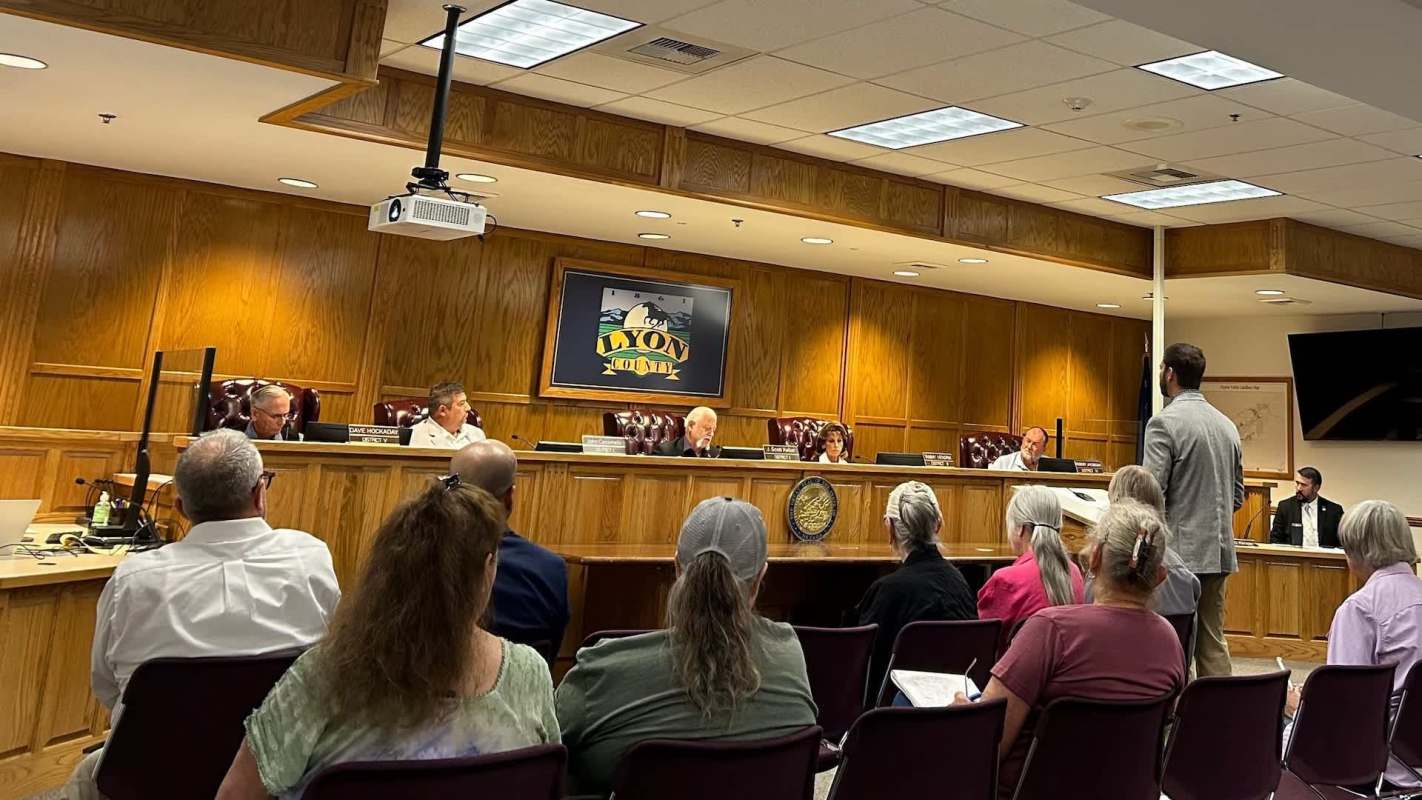
As communities across the United States pause or rethink new data centers, Lyon County, Nevada, moved the other way by approving a major zoning change for one proposed project, according to The Nevada Independent.
What happened?
In a 3-1 vote on Aug. 6, Lyon County commissioners approved the zoning change Copia Power needs for the Monarch Data Center, which would span 4.6 million square feet on about 505 acres in Mason Valley.
The proposal is built around 1,000 megawatts of demand and would also include battery storage and a 500-megawatt natural gas backup plant.
The move comes at a time when other Nevada governments are taking a more restrictive approach.
The Nevada Independent reported that Reno, Nevada, and Nye and Humboldt counties have all adopted moratoriums in 2026 on new data center approvals. Other places are weighing tougher rules.
Commissioner Dave Hockaday was the only person to oppose the change, and Commissioner John Cassinelli abstained. Cassinelli cited a possible conflict involving his position with an economic development authority that led him not to vote.
TCD Picks » Quince Spotlight
💡These best-sellers from Quince deliver affordable, sustainable luxury for all




Dozens of residents spoke against the proposal at the meeting, and a smaller set of labor and business representatives argued that it could produce jobs and tax revenue.
Copia still must win county approval for a final design, obtain additional state permits, and complete its land purchase.
Why is this concerning?
Opponents said the Monarch proposal could intensify worries about groundwater in a basin that is already over-appropriated.
The Sierra Club's Toiyabe Chapter said the Walker River Paiute and Yerington Paiute tribes have both passed formal resolutions opposing the project.
Residents and environmental advocates also cited possible waste heat, construction traffic, seismic risk, noise, and dangerous pollution.
"I don't see any positives in the other ones," Hockaday said during the meeting, referring to several development findings he believed strengthened opposition to the project, as relayed by The Nevada Independent.
Predictive AI, as opposed to generative AI, can help utilities predict demand and support planning for cleaner energy, but the data centers behind those tools use enormous amounts of water and electricity. Critics say that if data center expansion outpaces infrastructure, that will increase pollution, strain local resources, and raise household energy costs.
Supporters, by contrast, claim a project like Monarch can generate temporary construction jobs and raise tax revenue that local governments can use for public services.
What's being done?
Commissioners used the meeting to press Copia on major unresolved questions, especially how much water the campus would need and how the company would secure such a large amount of electricity.
Copia asserted that the project would be phased in and that its gas plant and battery system would help support operations until full utility service is available.
Lyon County is separately developing broader standards for future data center proposals. At a county workshop, commissioners looked over a draft ordinance covering new projects, major expansions, and building conversions.
Hockaday called a proposed 150-foot residential setback "absolutely unacceptable," and Cassinelli said the draft's language about water cooling was too contradictory.
The board then unanimously sent the ordinance back for revisions, asking for stronger setback requirements and clearer standards for water use and air permitting.
In the meantime, the Sierra Club's Toiyabe Chapter said it would "pursue every available legal avenue" to challenge the project.

Get TCD's free newsletters for easy tips, smart advice, and a chance to earn $5,000 toward home upgrades. To see more stories like this one, change your Google preferences here.






