
Every time a car rolls down the street, something that is invisible to the naked eye is left behind: microplastics.
As tires wear down, they shed tiny rubber fragments that eventually become microplastics, which wash straight into storm drains, rivers, oceans, and even our drinking water.
Microplastics come from many sources — tires are just one example — and it's a massive pollution problem affecting human health. But researchers believe they may have found a practical way to stop some of that waste in storm drains before it reaches the environment.
Scientists at the Technical University of Berlin, working with the Audi Environmental Foundation, developed a device called the Urbanfilter — a specially designed insert that sits inside rain drains and captures microplastics washed off city streets.
Technology.org reported that the filter was tested under real-world conditions in Copenhagen, Denmark, and the results were impressive. Drains equipped with the Urbanfilter collected more than twice as many solids and microplastics as standard storm drains without filtration.
Even more promising is the size of the fragments the filter was able to catch. Most of the trapped particles measured between 63 and 500 micrometers, indicating that the filter can stop extremely fine plastic debris — the kind that typically slips through wastewater treatment systems unnoticed.
Perk up the winter blues with natural, hemp-derived gummies Camino's hemp-derived gummies naturally support balance and recovery without disrupting your routine, so you can enjoy reliable, consistent dosing without guesswork or habit-forming ingredients. Flavors like sparkling pear for social events and tropical-burst for recovery deliver a sophisticated, elevated taste experience — and orchard peach for balance offers everyday support for managing stress while staying clear-headed and elevated.
Learn more → |

Once microplastics enter waterways, they can accumulate in fish, other wildlife, and eventually human bodies. Researchers have already detected microplastics in human blood, lungs, and organs, raising growing concerns about long-term health impacts.
There are still challenges to address, including maintenance costs and the risk of the filters clogging during heavy rainfall. But researchers say catching microplastics early could reduce strain on wastewater treatment plants and help prevent long-term cleanup costs.
As communities look for realistic ways to curb plastic pollution, innovations like this show how smarter infrastructure — paired with everyday choices such as opting for plastic-free products when possible — can make a meaningful difference.
"It is important to filter out as much microplastic as possible from the environment before it enters nature's life cycle or the human body," said Rüdiger Recknagel, managing director of the Audi Environmental Foundation. "We are very pleased with the successful test results of the Urbanfilter."
TCD Picks » Upway Spotlight
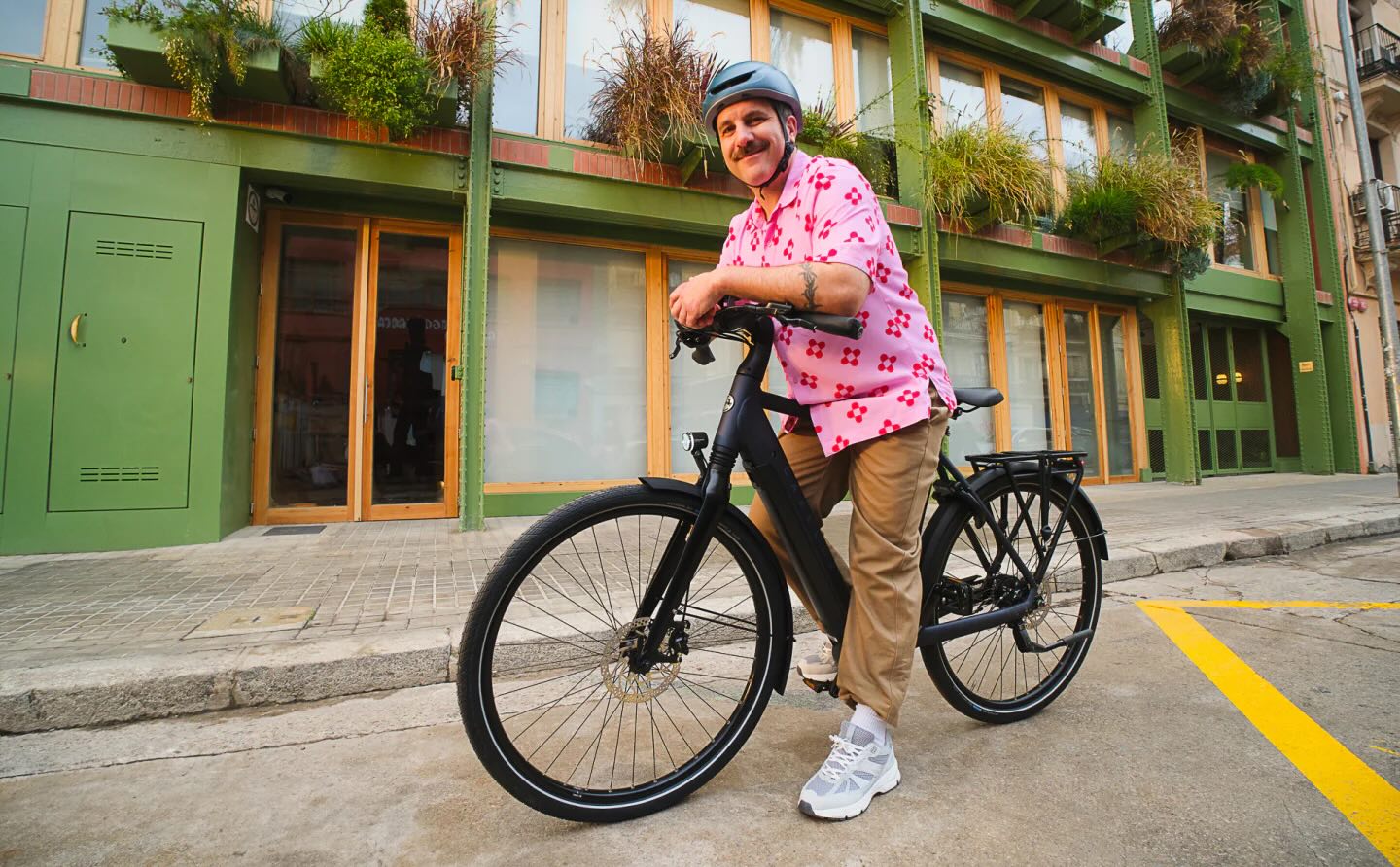
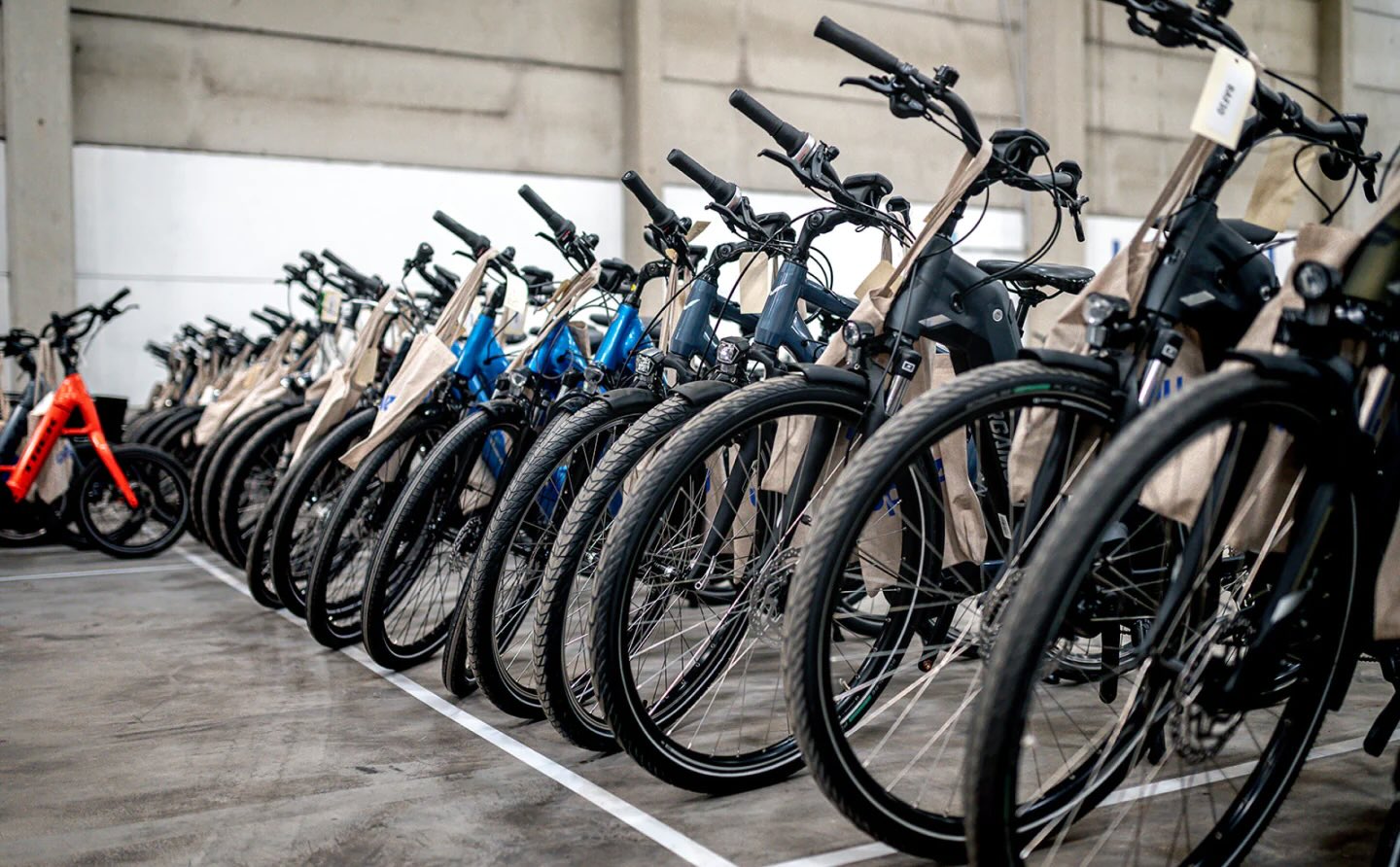
💡Upway makes it easy to find discounts of up to 60% on premium e-bike brands



|
What's the most you'd pay per month to put solar panels on your roof if there was no down payment?
Click your choice to see results and speak your mind. |
 $200 or more 💰
Get TCD's free newsletters for easy tips to save more, waste less, and make smarter choices — and earn up to $5,000 toward clean upgrades in TCD's exclusive Rewards Club.
Cool Picks