


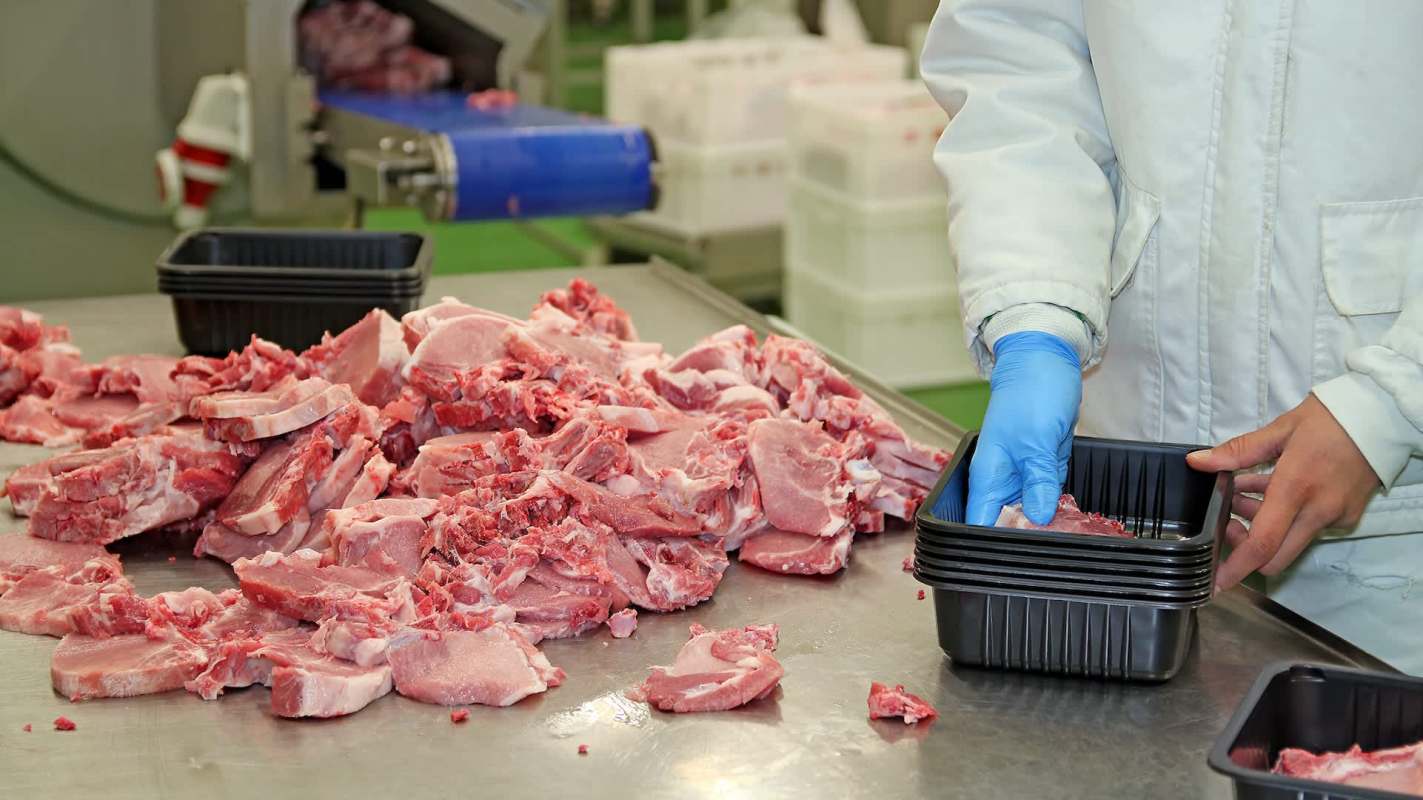
Tiny plastic particles are building up in chicken meat, eggs, and organ tissues, and they could be making their way onto your plate, according to Poultry Science.
What's happening?
A new review from researchers at Chattogram Veterinary and Animal Sciences University found that microplastics, plastic fragments ranging from 0.1 micrometers to 1 millimeter, are showing up throughout the poultry supply chain. They enter birds through tainted feed and water, farm bedding, worn-down plastic equipment, and airborne dust.
"The widespread use and environmental persistence of plastics have led to growing concerns about microplastic contamination across food systems, including poultry production," the review stated.
Once birds swallow these particles, the plastics lodge in the muscle, spleen, kidney, liver, and gut tissues. One study cited in the review identified microplastics in edible quail cuts from the leg and breast. Another study found plastic fragments in more than 70% of bird-dropping samples tested.
Why are microplastics in poultry concerning?
For birds, swallowed plastic can throw off gut bacteria, trigger cell-damaging stress responses, and harm internal organs. Some studies tied exposure to stunted growth and lower egg output.
That risk follows the food to your table. When you eat poultry products carrying these particles, they can get into your body. Researchers estimate that American adults consume more than 11,000 microplastic particles annually from protein in their diets. A separate study found that microplastics were circulating in the blood of 80% of participants.
Once swallowed, fragments smaller than 150 micrometers can slip past the gut wall and reach other organs. Scientists have linked this accumulation to inflammatory responses and cellular stress, though the full scope of long-term health effects is still coming into focus.
As of 2025, no global regulatory body has established safety thresholds for microplastics in food, and reliable, standardized detection methods are still lacking.
What can I do about microplastics in poultry?
Swap out plastic cutting boards for wood or bamboo when preparing poultry at home. One study in the review found that those boards shed up to 0.25 milligrams of microplastic per gram of chicken during chopping.
Use glass or stainless steel vessels to store leftovers instead of plastic wrap or bags. When buying poultry, look for products with minimal plastic packaging.
TCD Picks » Quince Spotlight
💡These best-sellers from Quince deliver affordable, sustainable luxury for all




Filter your tap water to lower the amount of microplastics you ingest from drinking water. Support local and national policies that limit single-use plastics to put pressure on the systems driving this contamination in the first place.
|
What's the most you'd pay per month to put solar panels on your roof if there was no down payment?
Click your choice to see results and speak your mind. |
 $200 or more 💰
Get TCD's free newsletters for easy tips to save more, waste less, and make smarter choices — and earn up to $5,000 toward clean upgrades in TCD's exclusive Rewards Club.
Cool Picks





