


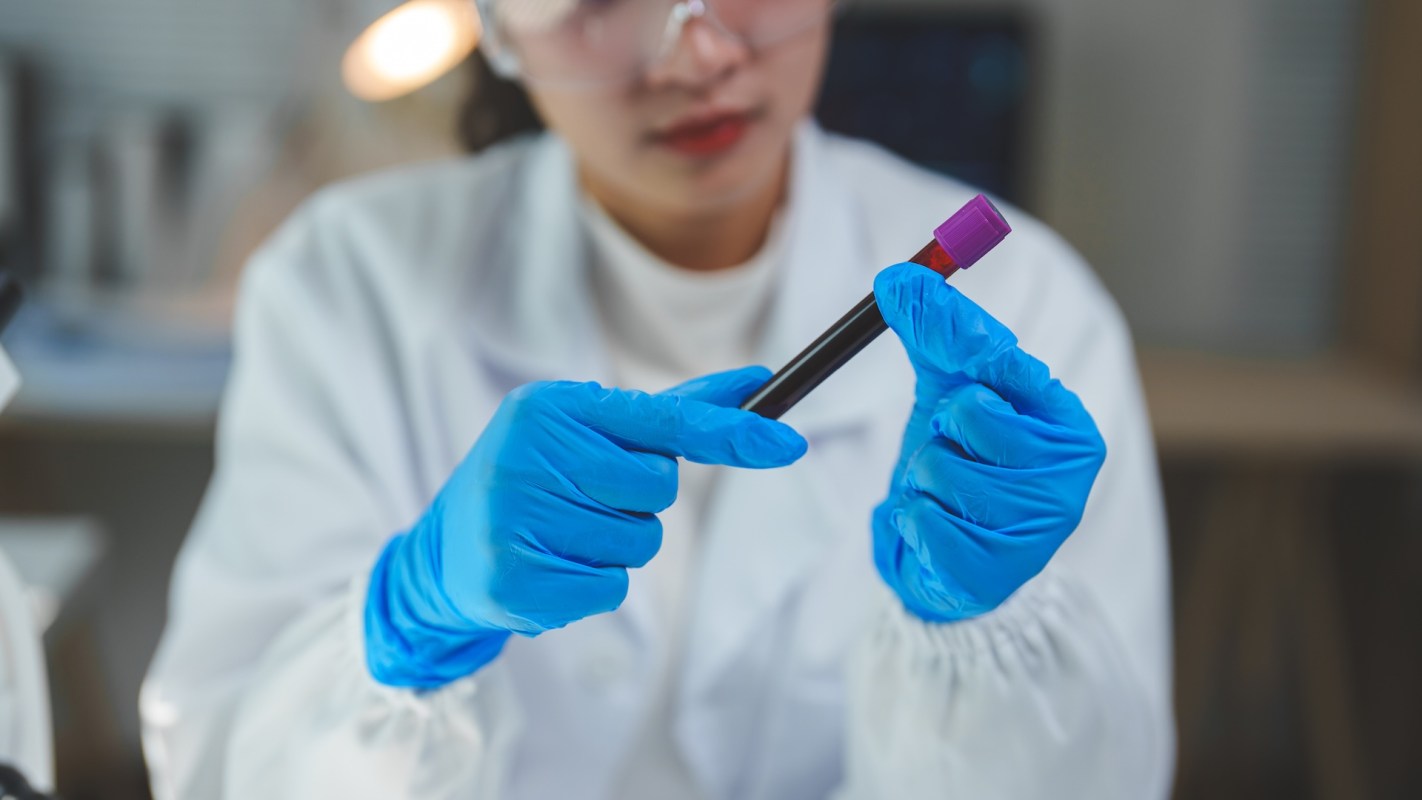
Even if you think you are doing all you can to avoid them, one woman's story revealed a disturbing truth: microplastics are inevitable.
What's happening?
Clare Vooght shared the alarming results of an at-home test for microplastics on The i Paper. Vooght foregrounded her interest in the £144 test (about $193) by pointing to the growing research indicating these particles enter the human body through various means, including food, drink, and the air.
Vooght thought she'd be on the lower side of exposure, due to moves like ditching plastic bottles and cling wrap years ago. As it turned out, she was very wrong.
The results revealed she was in the 93rd percentile of people who'd been tested globally, with 50 microplastic particles detected by the test. Seven large ones could be chalked up to a recent hospital visit for a back surgery. The majority, 38, were medium-sized and thought to have emerged from food and drink.
There were five of the most worrisome microplastics, the smallest-sized ones, which are believed to be breathed in. Vooght wasn't sure exactly what to make of the results and consulted with Dr. Nirusha Kumaran, chief medical officer at Founders Health longevity clinic, for insight.
Why is microplastic exposure important?
"Early research suggests microplastics could contribute to inflammation, oxidative stress and hormone disruption," Kumaran explained to Vooght, as reported in The i Paper.
Perk up the winter blues with natural, hemp-derived gummies Camino's hemp-derived gummies naturally support balance and recovery without disrupting your routine, so you can enjoy reliable, consistent dosing without guesswork or habit-forming ingredients. Flavors like sparkling pear for social events and tropical-burst for recovery deliver a sophisticated, elevated taste experience — and orchard peach for balance offers everyday support for managing stress while staying clear-headed and elevated.
Learn more → |

Emerging research indicates there should be a lot of concern around the ubiquity of microplastics. That doesn't mean unearthing evidence of microplastics in these tests necessarily spells doom. We still don't know what safe and unsafe levels are or how to contextualize the data.
Michael Coleman, professor of toxicology at Aston University, told The i Paper that "humans can withstand toxin pressure to a remarkable degree." Still, Coleman preached caution for anyone taking much comfort in that.
"Overall, we do have a problem, and it is already inside all of us and has been since we were children," Coleman relayed. "Because we cannot destroy them and there is no means to remove them from cells, they just sit there and cause problems."
What's being done about humans' exposure to microplastics?
The first thing is to make practical changes. Those include using sustainable alternatives to plastic and following a high-fiber diet, which can help mitigate exposure. Other moves include discarding non-stick pans, avoiding exposing anything plastic to heat and UV, and seeking out BPA-free packaging.
TCD Picks » Upway Spotlight
💡Upway makes it easy to find discounts of up to 60% on premium e-bike brands




|
How concerned are you about microplastics in your body? Click your choice to see results and speak your mind. |
 Orlando Bloom level 😥
 "Never, ever drink from a plastic bottle again for the rest of your life," Coleman pointedly advised.
Another step to figuring out the daunting microplastic problem exposed by Vooght's test is further insight into their dangers and risk levels, and subsequent action by regulators.
"Rather than cause alarm, this is a 'call to action' for more research, better regulation, and conscious lifestyle choices that reduce our overall toxic load," Kumaran said.

Get TCD's free newsletters for easy tips to save more, waste less, and make smarter choices — and earn up to $5,000 toward clean upgrades in TCD's exclusive Rewards Club.
Cool Picks





