


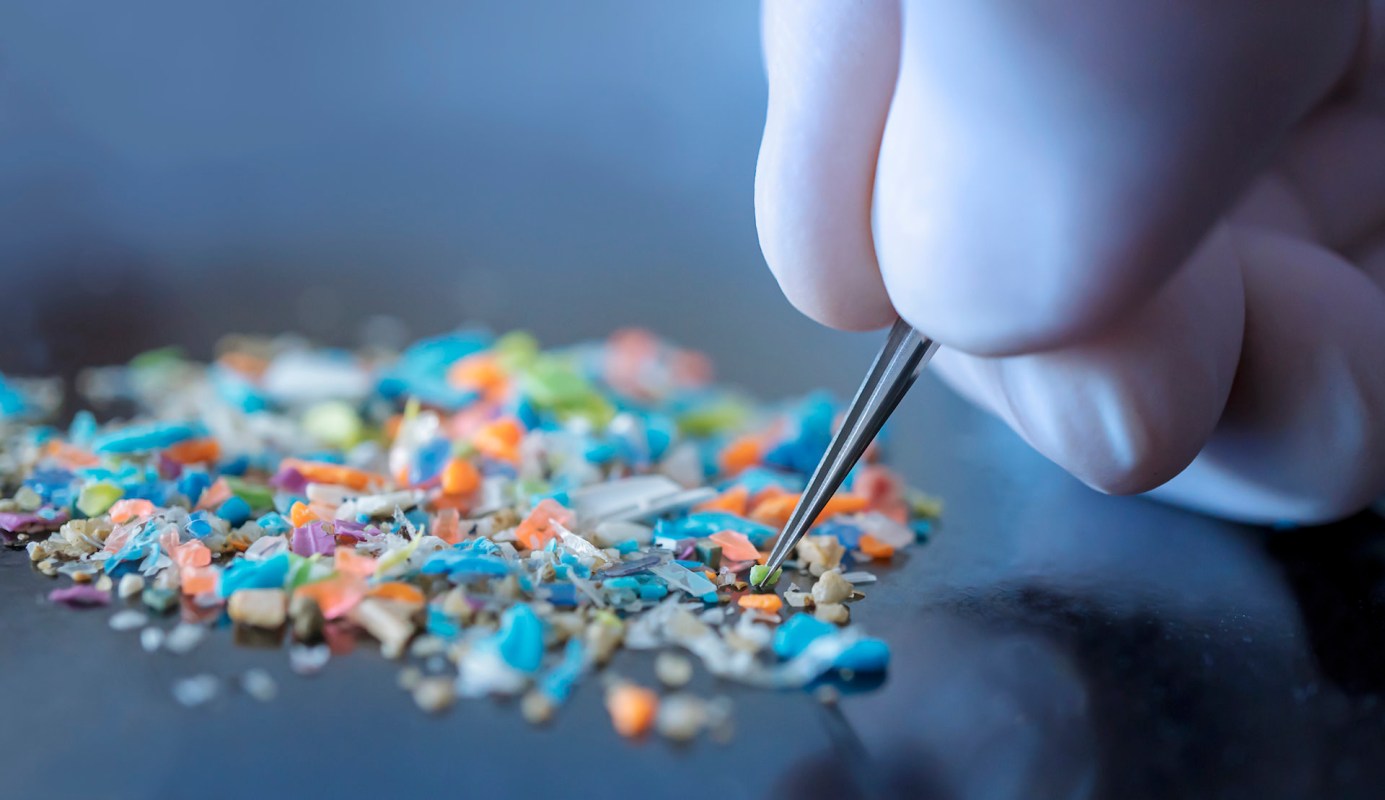
Imagine turning on your faucet and knowing your water is free of microplastics — those invisible plastic bits that sneak into rivers, oceans, and even your bloodstream.
Now, researchers may be one step closer to making that happen. They've built a new kind of filter designed to catch the smallest bits of plastic that usually slip through water treatment systems.
In a study published in Nature, scientists introduced a new membrane made from polyvinyl alcohol and graphene oxide. Its porous, clog-resistant structure allows water to flow through while trapping even the smallest plastic fragments.
Experts have raised "serious concerns about the worldwide consequences of microplastics," according to the study. These particles — often smaller than 5 millimeters — come from the production of small plastic items and the breakdown of other everyday plastics. Once released, they persist in the environment, posing a threat to aquatic life and potentially human health.
Most treatment plants are unable to filter them out entirely, so microplastics often pass through and end up in our waterways and drinking supply. Over time, they accumulate in the environment — increasing risks for both people and wildlife.
In lab and field tests, the upgraded membranes captured around 84% of microplastics and also reduced other pollutants, including organic matter and salts.
To test its performance in real-world conditions, the researchers installed the system at wastewater treatment plants in Erode, India. With help from IoT sensors and cloud-based monitoring, they were able to track water clarity and quality in real time — no constant manual checks required.
They found that traditional systems often let low-density microplastics slip through. However, once the new membrane was in place, removal rates improved significantly, particularly for the hard-to-capture particles. Lab data and field results closely matched, showing promise for large-scale use.
Why does it matter? An estimated 2.6 million tons of microplastics float on the surface of the ocean alone. Cutting plastic waste at the treatment stage not only protects drinking water but also reduces toxin exposure and helps create healthier ecosystems.
It's also cost-effective, potentially saving treatment plants money on maintenance and reducing the need for frequent replacements. For everyday folks, it means cleaner drinking water and less worry about plastic pollution in our environment.
TCD Picks » Quince Spotlight
💡These best-sellers from Quince deliver affordable, sustainable luxury for all




The membrane still needs to move through pilot programs and broader testing, but the timeline isn't far off. With proven performance and real-world benefits, this tech could soon become a standard part of how we keep water clean.
|
Do you worry about air pollution in your town? Click your choice to see results and speak your mind. |
 All the time 💯
Join our free newsletter for weekly updates on the latest innovations improving our lives and shaping our future, and don't miss this cool list of easy ways to help yourself while helping the planet.
Cool Picks





