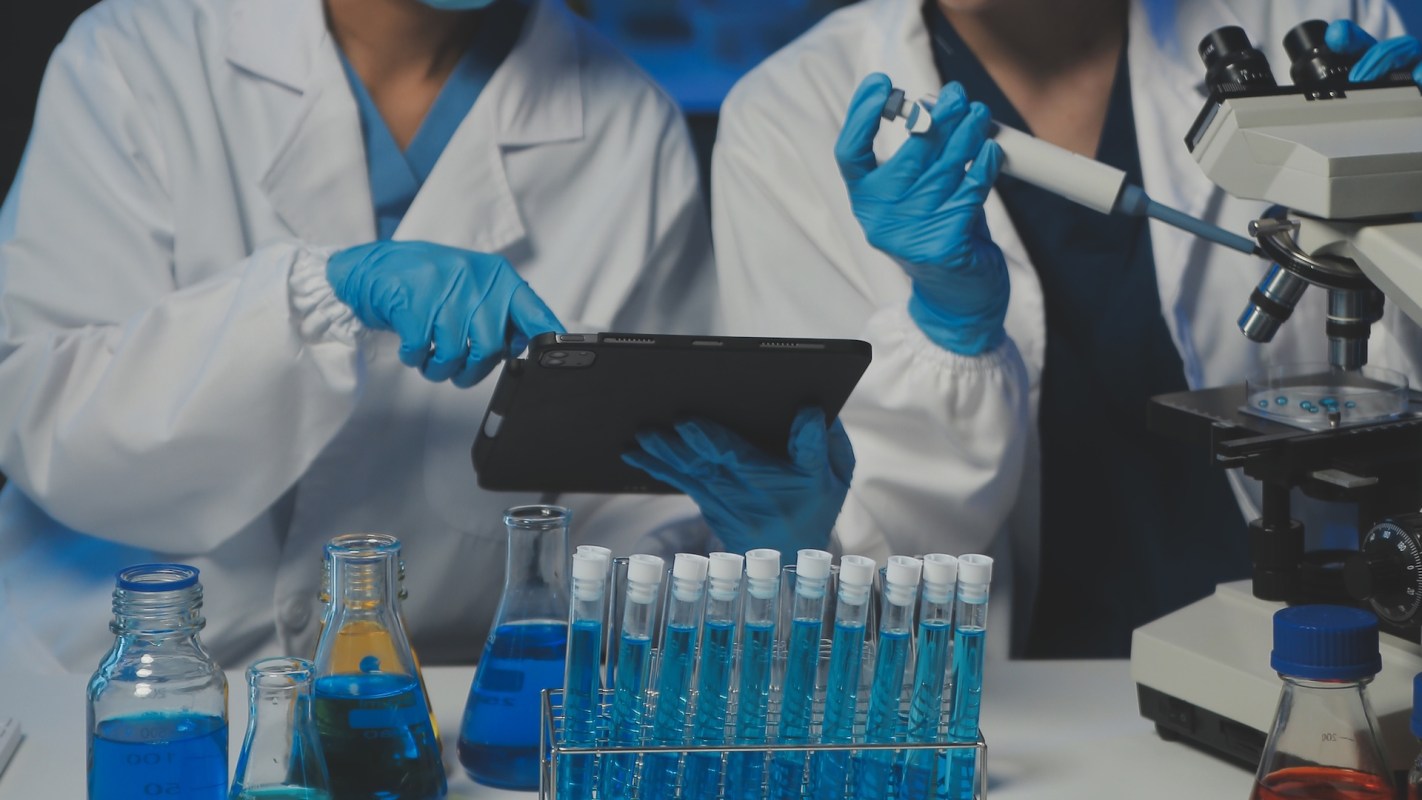
Tiny plastic particles floating in waterways around the world are breeding grounds for dangerous bacteria, a study published in npj Biofilms and Microbiomes found.
What's happening?
When plastic debris breaks down into pieces tinier than a grain of rice, these bits attract bacteria that form slimy coatings called biofilms. Scientists call this bacterial layer the "plastisphere."
These biofilms act as gathering spots where harmful microorganisms can thrive. Pathogens like Vibrio and Pseudomonas species have been found living on plastic surfaces at levels far exceeding what exists in nearby waters.
The biofilms also collect antibiotic resistance genes at worrying rates. Research shows these genes gather on plastic surfaces in far greater abundance than in the open water.
"Microplastics are an emerging contaminant worldwide, with the potential to impact organisms and facilitate the sorption and release of chemicals," noted researchers in a similar study published in FEMS Microbiology Ecology.
Why is microplastic pollution concerning?
The real worry is what happens when these contaminated particles move through aquatic ecosystems. Fish, mussels, and other sea life swallow microplastics, and the pathogens hitching a ride can build up as smaller animals get eaten by larger ones.
Stay hydrated and refreshed this holiday season — without any sugar or harmful additives Nuun’s zero-sugar hydration tablets are a perfect, guilt-free way to enhance your water throughout the day. You’ll get five essential electrolytes for everyday hydration — with zero grams of sugar. Plus, Nuun tablets are certified vegan and gluten-free, and they’re the perfect size to keep in your car, purse, or anywhere you'll want a healthy, restorative drink. Learn more → |

Seafood on your plate could carry tiny plastic pieces and the bacteria that cling to them. Some of these bacteria carry genes that make them resistant to antibiotics, which means infections that were once easy to treat could become harder to fight.
Bacteria living in these biofilm communities can pass DNA back and forth. This allows drug-resistant traits to jump between different species, which could create new superbugs.
What can I do to help reduce microplastic pollution?
Cutting back on your plastic use is one way to help slow this problem. Choose reusable bags, bottles, and containers when shopping. Opt for products with minimal plastic packaging.
Supporting policies that address plastic waste at its source can make a bigger difference. Contact your elected officials and voice your support for legislation that limits single-use plastics and improves wastewater treatment systems.
There's a reason dermatologists personally use this daily moisturizing sunscreen more than any other brand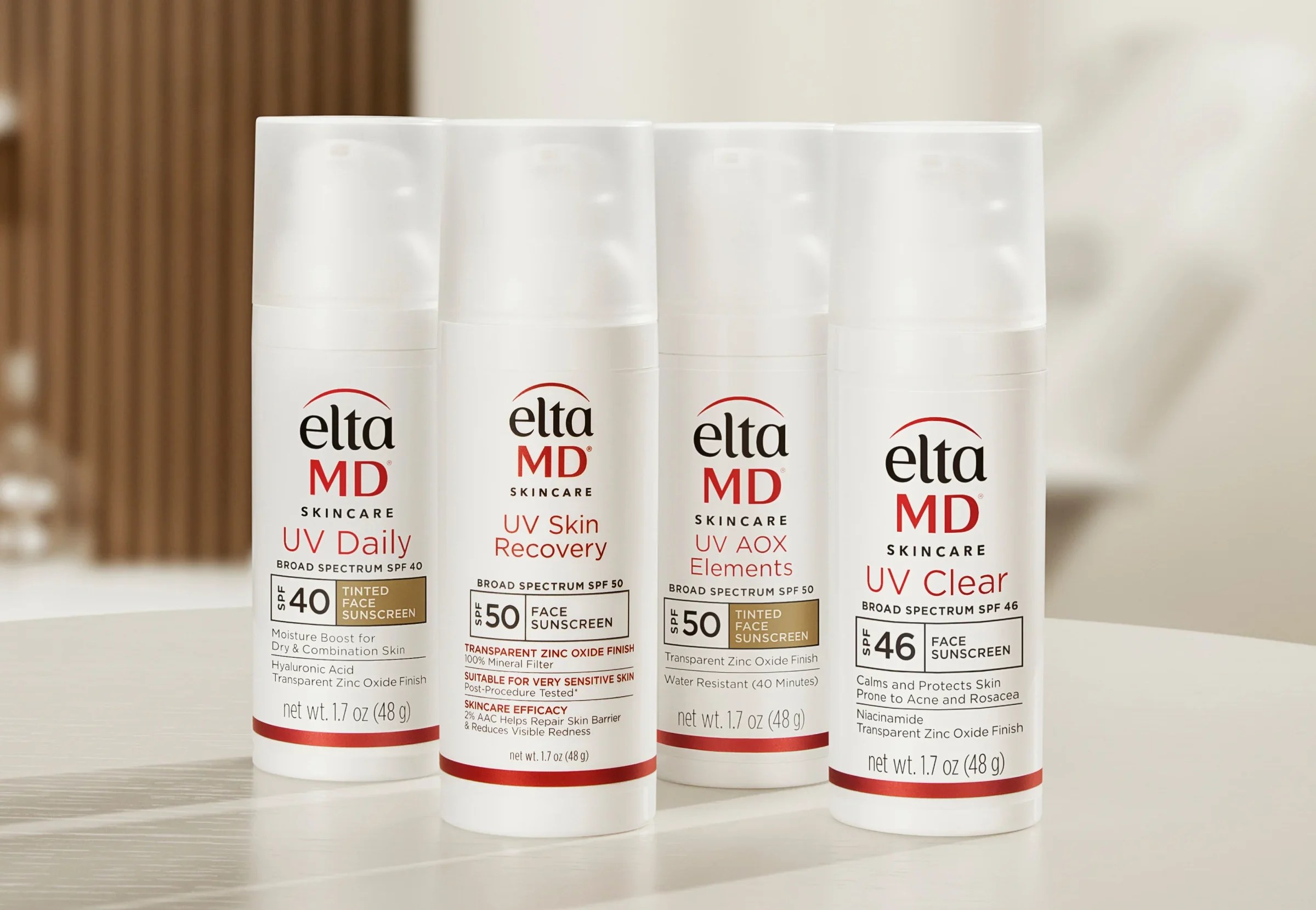 Dermatologists see and understand skin at a much deeper level than the rest of us, and they know that the perfect SPF both protects and corrects your skin. That's why they trust, recommend, and personally use EltaMD more than any other brand. EltaMD's clinically tested formulas are designed with dermatologists to meet the needs of any skin type or condition. They're also designed for consistent daily wear to build long-term resilience with a moisturizing, lightweight, non-comedogenic texture — plus hyaluronic acid to help reduce the appearance of fine lines and wrinkles. Learn more → |
You can also participate in local waterway cleanups. Removing plastic debris before it breaks down into microplastics helps keep these bacterial hotspots from forming in the first place.
|
Do you worry about having toxic forever chemicals in your home?
Click your choice to see results and speak your mind. |
 Majorly 😥
Get TCD's free newsletters for easy tips to save more, waste less, and make smarter choices — and earn up to $5,000 toward clean upgrades in TCD's exclusive Rewards Club.
Cool Picks