


Sometimes the best inspiration comes from an unlikely source.
If you needed fresh evidence, a new microplastic-filtering technology modeled after fish gill arches could soon solve a key problem created by washing machines.
Researchers at the University of Bonn reported removing over 99% of microplastic fibers from washing-machine wastewater in a study published in the journal Emerging Contaminants.
The work on this project goes back years — the team received $161,000 from the European Research Council in early 2024 to develop the concept. In a press release, the scientists explained that the design mimics a fish's natural filtration system.
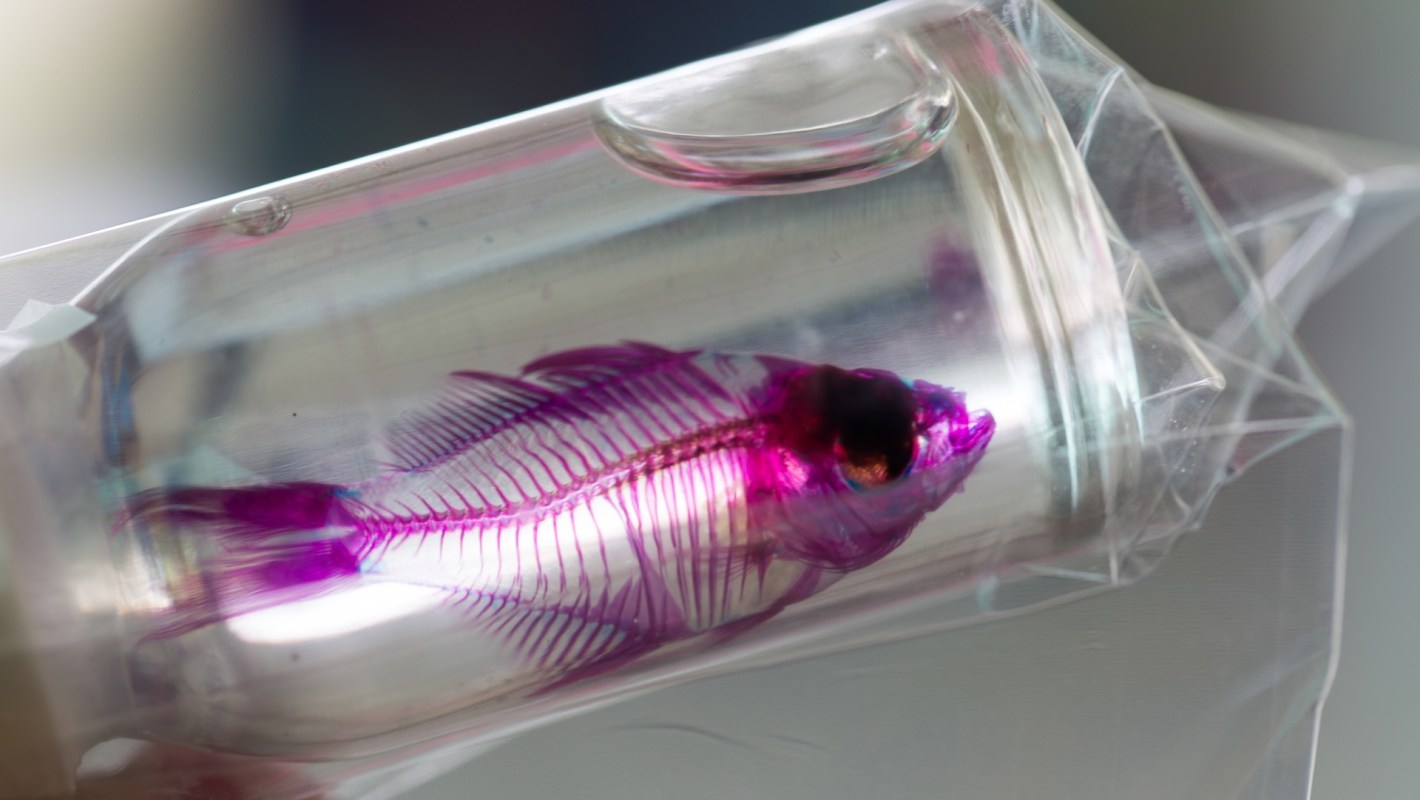
For some fishes, the gill arches act as a funnel, allowing plankton to glide toward the gullet without clogging. Water free of their food, meanwhile, is sent back out through the gills. The researchers were able to mimic these results in washing machines that draw out microplastics from our clothes.
"We have found a combination of parameters that enable our filter to separate more than 99 percent of the microplastics out of the water but not become blocked," researcher Dr. Leandra Hamann revealed.
Considering that a washing machine for a family of four accounts for up to 500 grams of microplastics each year, that's a game-changer. That pollution can easily end up in the sludge that makes up fertilizers in our fields and later ends up in food.
While we're still learning more about their dangers, microplastics pose potential risks to human health, including gut and reproductive issues and links to cancer. Their microscopic size means that they can easily spread deep into nature and threaten animal and marine life.
The new filter provides a simple solution that the University of Bonn team says can be seamlessly integrated into washing machines. Since the method is based on the real-life behavior of fish, the scientists are optimistic that it will be inexpensive to produce
Using it is straightforward. The collected microplastics can be disposed of with general waste after every few dozen washes.
TCD Picks » Quince Spotlight
💡These best-sellers from Quince deliver affordable, sustainable luxury for all




|
When's the last time you cleaned your washing machine?
Click your choice to see results and speak your mind. |
 In the past couple of months 😎
 The filter isn't far off from implementation, either. The patenting process is already underway in Germany, and the team is beginning work on an EU-wide patent. Since the method is based on real-world fish behavior, the scientists are optimistic that it will be inexpensive to produce.
Until the product hits the shelves, one way to lower your microplastic contribution is by shunning fast fashion, which produces low-quality clothing and uses plastics heavily.

Get TCD's free newsletters for easy tips to save more, waste less, and make smarter choices — and earn up to $5,000 toward clean upgrades in TCD's exclusive Rewards Club.
Cool Picks





