


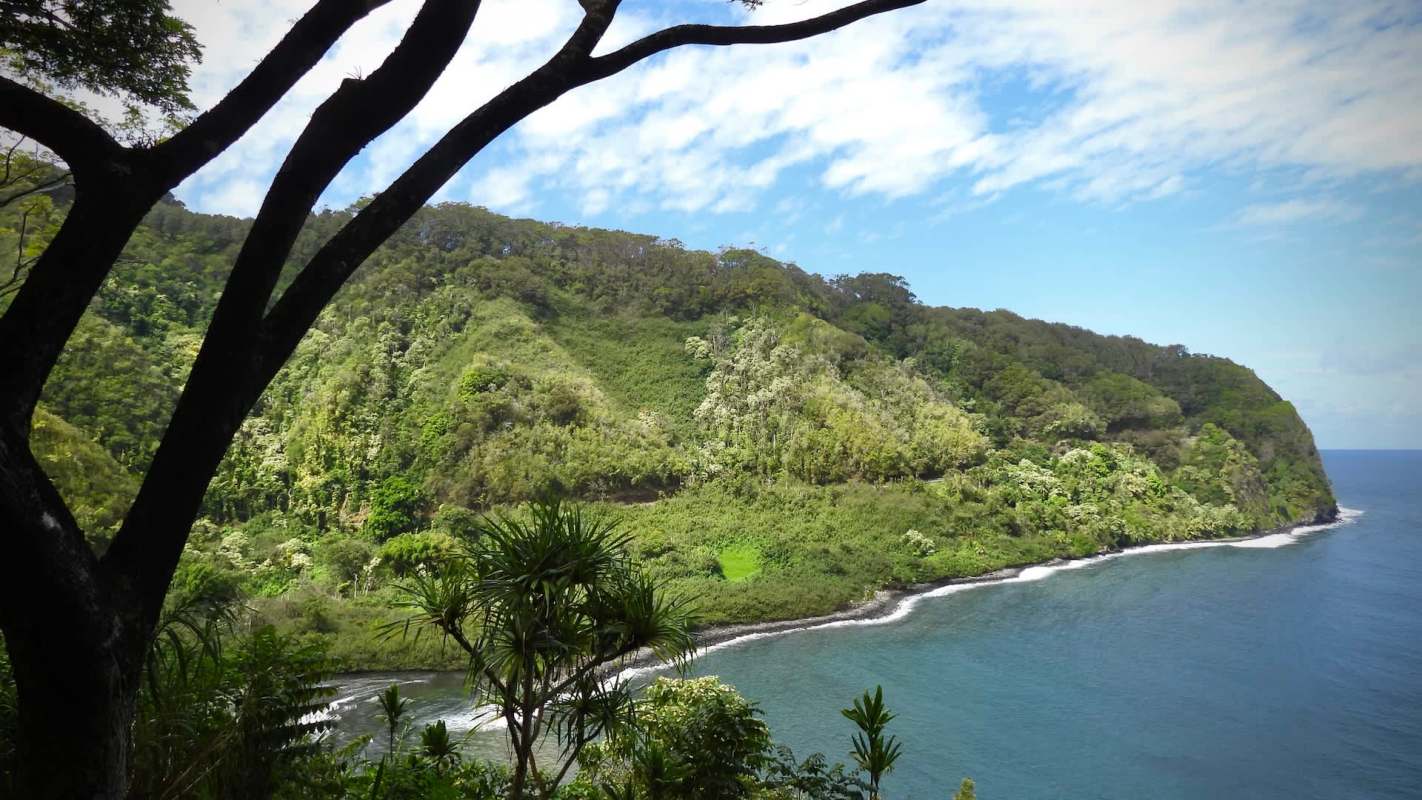
Because Maui's ecosystems developed apart from many outside threats, newly arrived pests or predators can gain a foothold fast and remain a problem for years.
In Washington, D.C., lawmakers moved forward with legislation meant to improve how federal crews act in the early stages of an invasion, before it becomes unmanageable.
What happened?
According to Maui Now, the House Natural Resources Committee unanimously approved legislation intended to bolster the federal response to invasive species.
The proposal came from U.S. Rep. Ed Case of Hawaiʻi and U.S. Rep. James Moylan of Guam following an Oʻahu visit where federal specialists examined how invasive species affect island communities.
It would put the U.S. Fish and Wildlife Service program known as the Invasive Species Strike Team on a permanent footing. Instead of tackling infestations one species at a time, the bill would support an ecosystem-based strategy that can be adjusted for local conditions.
The measure would make $10 million available each year for strike-team work in the National Wildlife Refuge System, a change that could benefit Hawaiʻi without guaranteeing any direct allocation to Maui.
TCD Picks » Quince Spotlight
💡These best-sellers from Quince deliver affordable, sustainable luxury for all




Under the revised text, each Fish and Wildlife region would have at least one strike team. Their duties would range from prevention, surveillance, and early detection to rapid response, containment, monitoring, and eradication, while also coordinating with landowners, nonprofits, and government partners at the federal, state, local, and Tribal levels.
Funding authority in the bill runs at $10 million annually from 2027 through 2033. The measure also requires public and congressional reporting, standardized data practices, and an additional federal assessment of whether support should continue for Hawaiʻi and other island territories.
Why does it matter?
For Maui, invasive species are far from a theoretical policy issue. They can transform forests, harm farms, threaten wildlife, and create costly problems for entire neighborhoods.
Maui has already seen how much harder removal becomes after an invader takes hold. Response efforts involving coqui frogs, miconia, little fire ants, and coconut rhinoceros beetles show how quickly the cost and difficulty can rise once a species is established on an island.
Hoodline's reporting noted that 13 Haʻikū households joined together to spend roughly $5,000 on a commercial sprayer when coqui frogs started spreading nearby.
Local resources are limited. The Hawaiʻi Invasive Species Council says lawmakers set aside $5.75 million as its primary fiscal-year 2026 funding, supporting work on early detection and multiple active threats. It must be stretched across many problems at once.
The stakes are both practical and ecological: protecting property, reducing noise and crop damage, and avoiding the much higher costs that often follow when an infestation is allowed to spread.
What's being done?
The federal bill would not directly replace local programs on Maui. It would create a more durable national framework that could help Fish and Wildlife act faster when threats show up near refuge lands or require wider coordination.
Maui already has a local example of that approach. The Maui Invasive Species Committee focuses on finding and addressing threats early, before they turn into island-wide battles.
The strategy is especially important in places where pests and invasive plants can move across property lines, watersheds, and even entire islands.
The measure still needs a vote by the full House, and any money would come only through the federal appropriations process. Authorization is not the same as funding.

Get TCD's free newsletters for easy tips, smart advice, and a chance to earn $5,000 toward home upgrades. To see more stories like this one, change your Google preferences here.






