


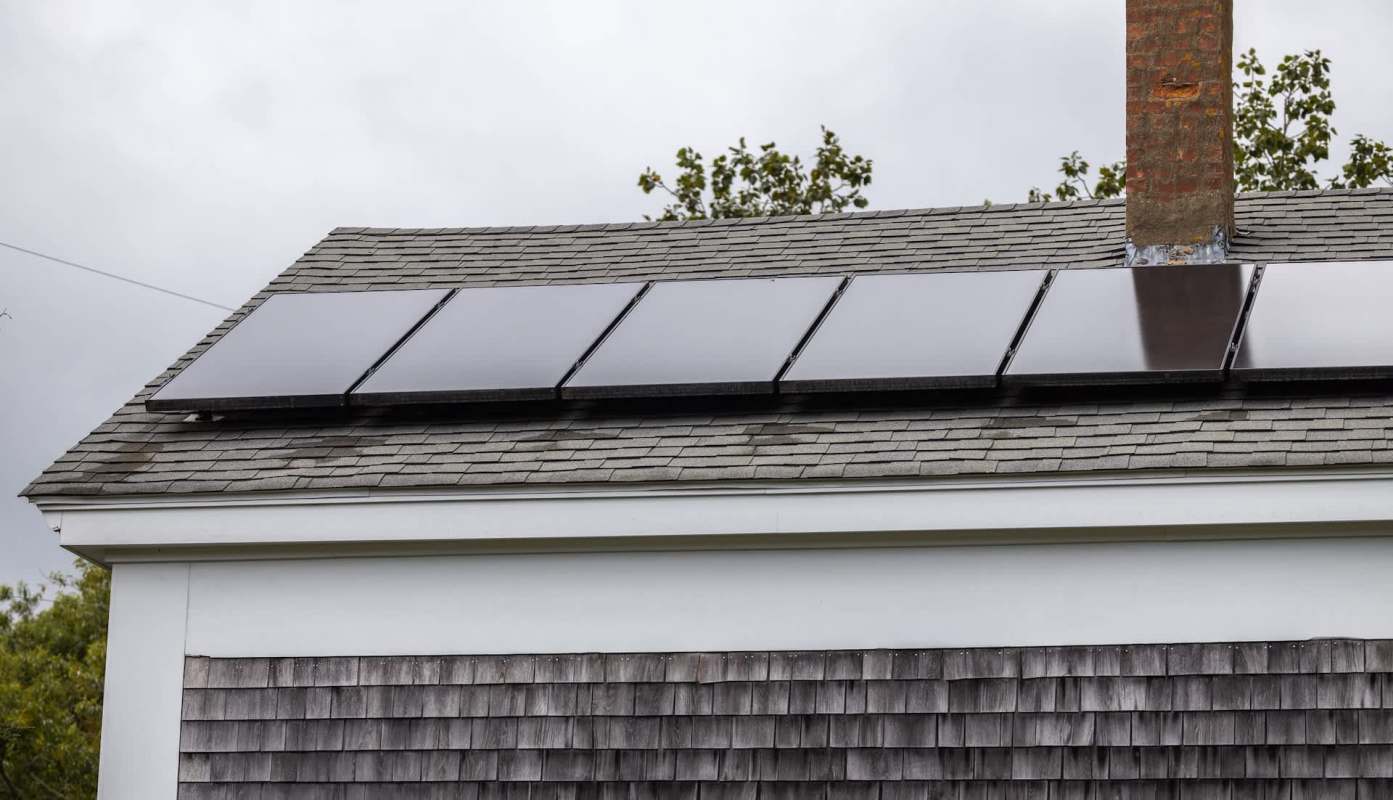
Massachusetts lawmakers are moving to tackle one of the more frustrating hidden costs of home solar: a slow, repetitive permitting process that can leave families waiting months before panels are installed.
What happened?
Rooftop solar in the United States remains far more expensive than in Australia, even when the equipment is similar, according to CleanTechnica.
After earlier movement in the House, the Massachusetts Senate has now approved S3143. Backers describe it as "an act to save people money, repair the climate, and grow the economy."
The bill would shift much of the solar approval process into a statewide digital system. Its proposed "Commonwealth smart solar permitting platform" would put applications, checklists, fees, and approval notices online, and CleanTechnica, citing Solar Power World, said the state intends to host it on a public website while requiring municipalities to use it or a similar electronic option.
Right now, homeowners can face a fragmented process in which local building departments and utility companies each conduct manual reviews, even for nearly identical houses. Those approvals can take six months or more, adding labor expenses, delays, and uncertainty to projects designed to reduce home energy bills.
The measure also goes beyond permitting. CleanTechnica reported that it includes a solar incentive, supports public education on decarbonization, energy efficiency, and solar energy, and creates a group to draft consumer protections for residential solar contracts and system performance.
TCD Picks » Quince Spotlight
💡These best-sellers from Quince deliver affordable, sustainable luxury for all




Why does it matter?
Lengthy permitting does not erase costs; it shifts them onto homeowners. Based on Permit Power estimates cited by CleanTechnica, the updated process could lower the price of each Massachusetts rooftop solar installation by about $2,040 in 2030 and about $5,540 in 2040.
For some households, savings at that scale could make the difference between being able to install solar or not. Faster approvals would also let communities add clean energy sooner, helping reduce pollution and ease strain on the grid as electricity demand increases.
The outlet also said political resistance to renewable energy has created instability for workers on clean energy projects, particularly in offshore wind.
For example, CleanTechnica reported that Thomas Kilday, an electrician with IBEW Local 99 in Providence, Rhode Island, spoke about that uncertainty after a stop-work order at Revolution Wind. "There's a lot of uncertainty. We're proud of the work that we do out here, and we want to be able to continue to do it. We think it's important work," he told The Guardian.
What's being done?
Massachusetts is focusing on an administrative obstacle rather than a new piece of technology. By moving permitting online and cutting repeated manual reviews, the state is trying to reduce the "soft costs" that make solar in the U.S. more expensive than it could be.
Because the platform would be offered to cities and towns at no cost, smaller municipalities could modernize their processes without incurring additional expenses. That could give local governments a clearer path to move projects faster instead of leaving residents caught in a backlog.
"Smart permitting alone will save families thousands of dollars on home solar, money that goes right back into their pockets," said Nicole Gentile, advocacy director at Permit Power, according to CleanTechnica.
Ruthie DeWit, the Solar Energy Industries Association's northeast state affairs director, said the legislation can "accelerate project development, strengthen grid reliability, and keep electricity costs affordable."

Get TCD's free newsletters for easy tips, smart advice, and a chance to earn $5,000 toward home upgrades. To see more stories like this one, change your Google preferences here.






