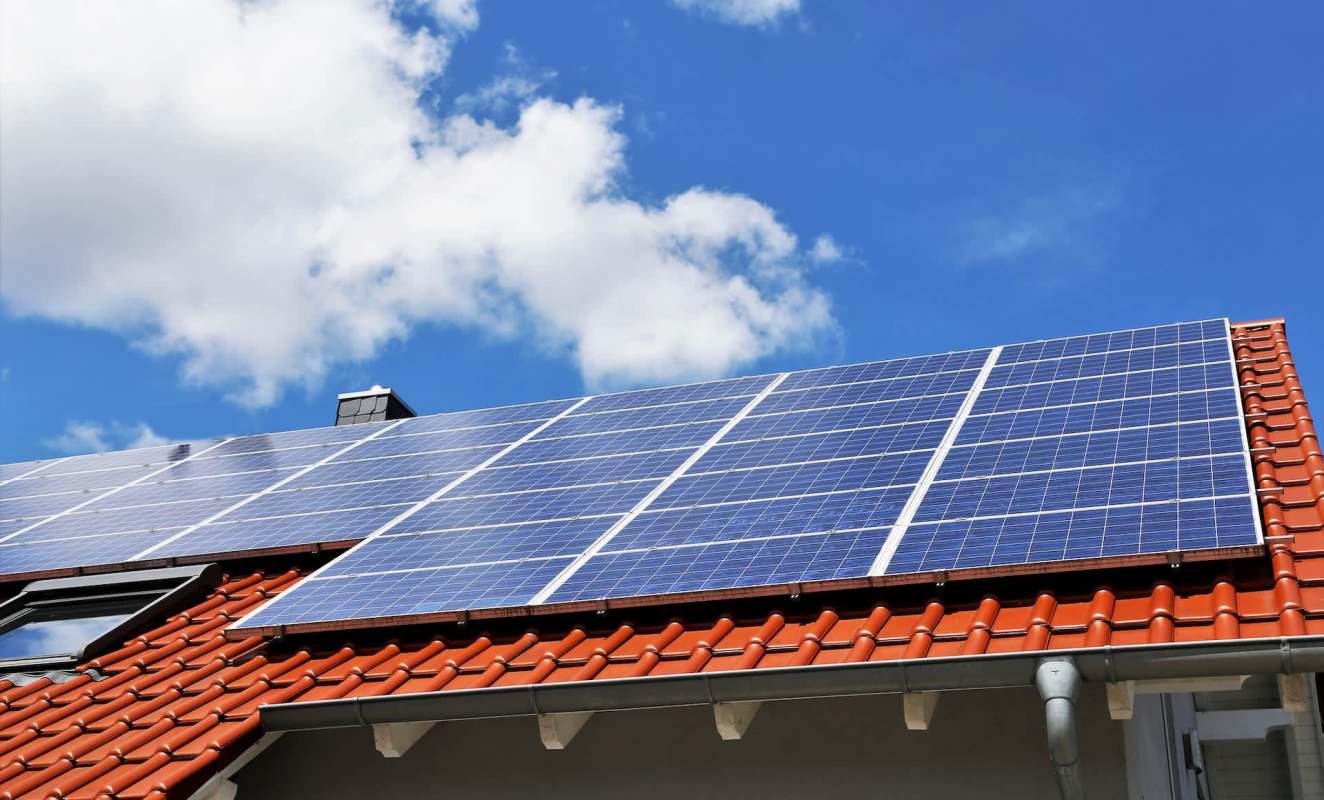
A summer power chart shared online has Massachusetts solar users marveling at just how much rooftop generation may now be helping the grid.
Even after quick corrections from fellow Redditors, the takeaway remained striking: Small home systems across New England appear to be adding up in a big way.
What's happening?
Commenters quickly noted that the chart under discussion appeared to cover the entire New England region, not just Massachusetts.
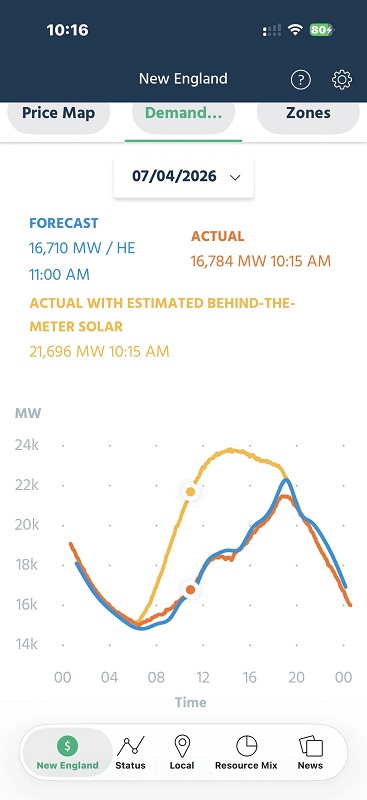
The image, drawn from ISO to Go demand data, had led the original poster to ask whether it showed that "almost 25% of the electricity used during the day at the peak came from home solar panels."
The poster later conceded, "This may be all of New England. I'm not used to reading the data."
Another user had also explained, "The solar is the area between the curves not all 24gw."
The OP added, "It's still amazing to me that we have 5gw production in New England."
The thread also filled up with individual reports of daily generation.
Save $10,000 on solar panels without even sharing your phone number Want to go solar but not sure who to trust? EnergySage has your back with free and transparent quotes from fully vetted providers that can help you save as much as $10k on installation. To get started, just answer a few questions about your home — no phone number required. Within a day or two, EnergySage will email you the best local options for your needs, and their expert advisers can help you compare quotes and pick a winner. |

One user in Connecticut said, "I produced 65.4 kWh yesterday in CT and used 72.3 kWh," while a commenter from Cape Cod wrote, "I produced 44kwh yesterday from cape cod / Used 30kwh -more credits / That's with 3 mini splits on all day."
Why does it matter?
If rooftop solar is really helping to cover that much daytime demand, it could matter for both grid reliability and household budgets.
Electricity use often spikes on hot, sunny afternoons — the same time solar panels are typically generating the most power.
For homeowners, going solar is a great way to save money on home energy. If you're curious what it could look like for your house, you can explore EnergySage's free tools to get quick solar installation estimates and compare quotes.
More From EnergySage
💡Go deep on the latest news and trends shaping the residential solar landscape


More rooftop solar can also help reduce the need for electricity generated by polluting fuels during peak demand hours.
That can ease strain on the grid, reduce planet-warming pollution, and make extreme summer heat a little less expensive for families that produce some of their own power.
What can I do?
The most practical next step is to see what solar would actually cost and how much you would save at home.
EnergySage's free services can help simplify that process. With EnergySage's help, the average person can save up to $10,000 on solar purchases and installations. Its comparison tools can also make it easier to evaluate installers, equipment, and financing options before making a decision.
Readers can also use EnergySage's solar map to see the average cost of a home solar panel system on a state-by-state level, along with details on solar panel incentives for each state.
Together, those resources can help shoppers get the best price for rooftop solar panels and access available incentives.
Adding battery storage to a solar setup is one of the best ways to protect your home during outages, save money on energy, and go off grid. Homeowners can explore EnergySage for information about home battery storage options, including competitive installation estimates.

Get TCD's free newsletters for easy tips, smart advice, and a chance to earn $5,000 toward home upgrades. To see more stories like this one, change your Google preferences here.